
The creepy science behind sleep paralysis ‘demons’
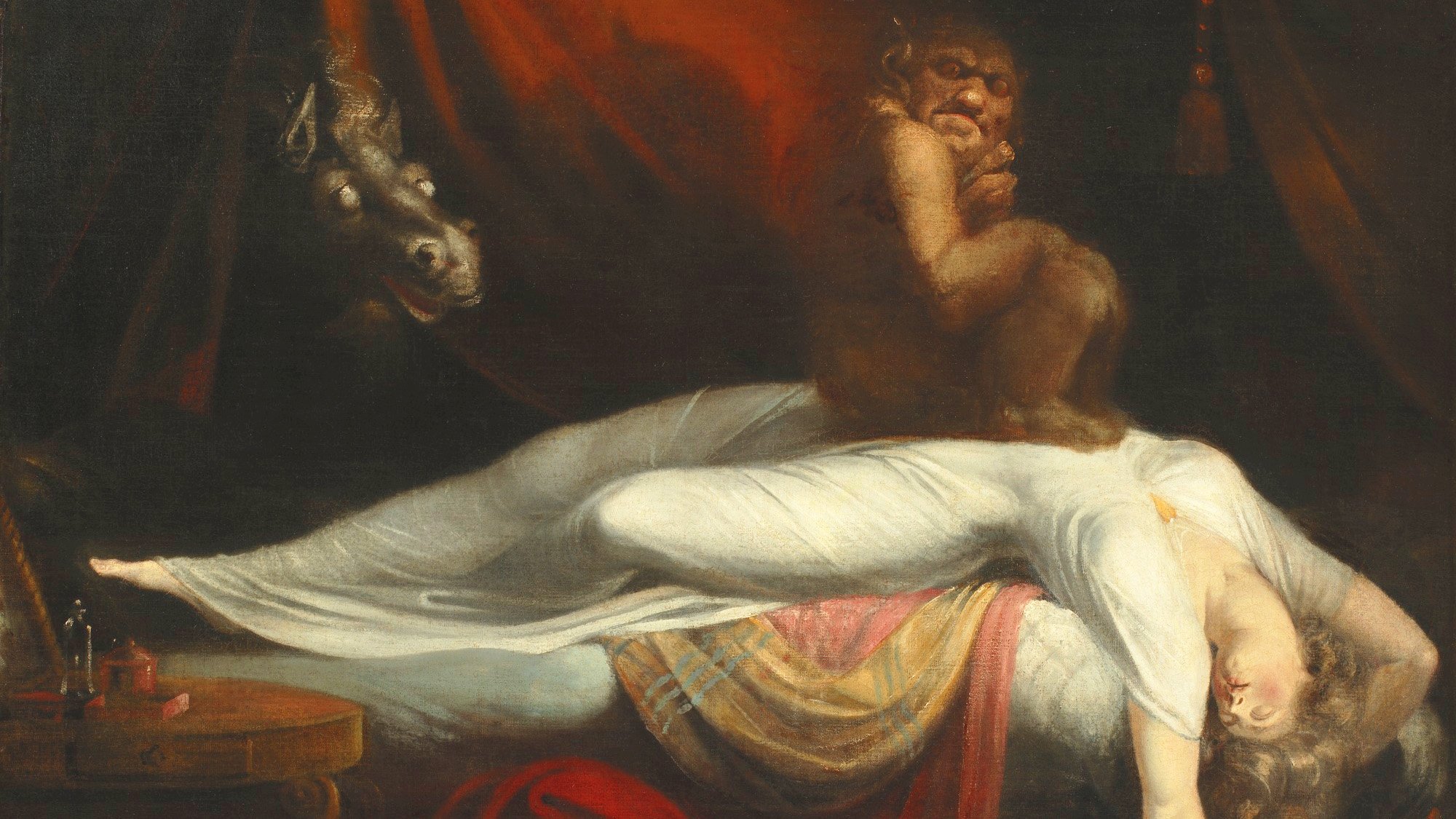
Aliens, vampires, and ghosts have haunted our sleep for centuries. The post The creepy science behind sleep paralysis ‘demons’ appeared first on Popular Science.
Key Takeaways
- The creepy science behind sleep paralysis ‘demons’.
- Aliens, vampires, and ghosts have haunted our sleep for centuries.
- The post The creepy science behind sleep paralysis ‘demons’ appeared first on Popular Science.
Have you ever woken up in the dead of night to find your limbs locked tight? Perhaps as you moved your eyes to the corner of your room, you spotted a demon lurking in the shadows, watching as you struggled against an invisible force. Sleep paralysis is creepy! If you can take any comfort from your experience, it’s to know that sleep paralysis has a long and storied history of tormenting humanity. Why is sleep paralysis such a shared, spooky experience? And who exactly is that shadowy figure standing at the bottom of your bed? What is sleep paralysis? Sleep paralysis affects slumberers around the world. Brian A. Sharpless, a clinical psychologist based in the Washington, D.C., area who has written multiple books on the phenomenon, says he has recorded more than 100 different terms for sleep paralysis across time, place, and culture. While the fine details vary, the core experience is universal. “Waking up, finding yourself unable to move, oftentimes a sense of pressure in the chest, a feeling of dread, fear, oppression. Those seem to be really consistent, but how you put a meaning on that is where it gets really interesting,” says Sharpless. What’s the history of sleep paralysis? Historically, people often gave these experiences a supernatural origin. Sharpless says, in the West, sleep paralysis overlapped with stories about vampires, witches, and ghosts. In Germanic and Slavic folklore, a demon called a mare (which is the origin of our word “nightmare”) visited sleepers, sat on their chests, and paralyzed them. In the early 1890s, Danish painter Joakim Skovgaard painted this image showing a mare (or “maren” in Danish). The mare was a shape-shifting supernatural being that would ride people’s chest leaving them unable to move. Image: Joakim Skovgaard / CC BY 4.0 As time passed, these associations changed to alien visitations or hazy “shadow people” lurking in the corners of their rooms. Since the 1960s, people in Tanzania have reported being attacked by a large winged creature called the Popobawa, which sexually assaults paralyzed victims. But scientists also have explanations for sleep paralysis. The science behind sleep paralysis Sharpless says that a brain stuck between dreams and wakefulness produces this phenomenon. During REM sleep, one of the periods of rest when dreams are most likely, the brainstem paralyzes the body’s muscles, except, of course, those that move our eyes and keep us breathing. This is vital, as sleepers might otherwise act out their dreams and harm themselves or others. But awakening while the body is still shut down is not pleasant. “It’s kind of an uncanny, strange experience not to have control over your body,” says Sharpless. As a result, surveys of people who have reckoned with sleep paralysis show it is almost always a fearful experience. Another shared factor in sleep paralysis is feeling a presence in the room. These sleep paralysis demons, aliens, vampires, or Popobawas are generated by what researchers call the threat-activated vigilance system. “What we think happens is that your brain is reading the sense that you’re prey, and it creates a predator,” says Sharpless. Contemporary graphic designer and illustrator Kasia Walentynowicz drew this somewhat cute image of a shapeshifting mare based off of Polish folklore. Image: Kasia Walentynowicz – Instytut Adama Mickiewicza – Projekt : Upiór / CC BY-SA 4.0 Who’s most likely to experience sleep paralysis? Some people go through their whole lives without experiencing sleep paralysis, but some factors put you more at risk. Sharpless says that people with a history of trauma or anxiety are more vulnerable. Sleep paralysis is also linked to being a student, consuming alcohol, or having narcolepsy. All of these factors are in turn linked to more disrupted sleep. Sharpless says that, in general, poor sleep hygiene increases the risk of sleep paralysis. No randomized controlled trials, the gold standard for testing treatments, have been conducted for potential solutions to sleep paralysis, but Sharpless says interventions that improve sleep will likely also reduce the risk of sleep paralysis. How to avoid sleep paralysis “One of the best, easiest things you can do is don’t drink before you go to bed and try to sleep on your side,” says Sharpless. Sleeping on your back, he says, might make it slightly harder to breathe during sleep, especially in people who are overweight or obese. Sleep paralysis is less likely to happen to side sleepers, he adds. If a sleeper’s partner sees them sleeping on their back, gently moving them onto their side can reduce the chances of sleep paralysis. Generally improving sleep hygiene, and getting treated for any anxiety, depression, or trauma, are also important steps, Sharpless says. Sharpless has only experienced sleep paralysis once. In that episode, a terrifying face with sunken red eyes, balanced atop an improbably long neck, wound its way into his room. It was only when he remembered he had watched a documentary on sleep paralysis that very day that the fear, and then the face, dissipated. He warns that there’s anecdotal evidence that sleep paralysis may be contagious. So, after reading this piece, sleep on your side, and if a demon appears in the corner of your room, remember it’s simply a figment of a tired, wired brain. “Try to have a sense of humor about it,” advises Sharpless. In Ask Us Anything, Popular Science answers your most outlandish, mind-burning questions, from the everyday things you’ve always wondered to the bizarre things you never thought to ask. Have something you’ve always wanted to know? Ask us. Related 'Ask Us Anything' Stories Some people really are werewolves—at least, in their minds Why do jump scares terrify us so much? Blame evolution. Why do dead bodies move and make noise? What makes a place seem ‘haunted’? Can dogs sense ghosts? Why are bogs so good at preserving dead bodies? Can carnivorous plants eat people? The post The creepy science behind sleep paralysis ‘demons’ appeared first on Popular Science.
Read Complete Original Article
Published originally on Popular Science
Related News
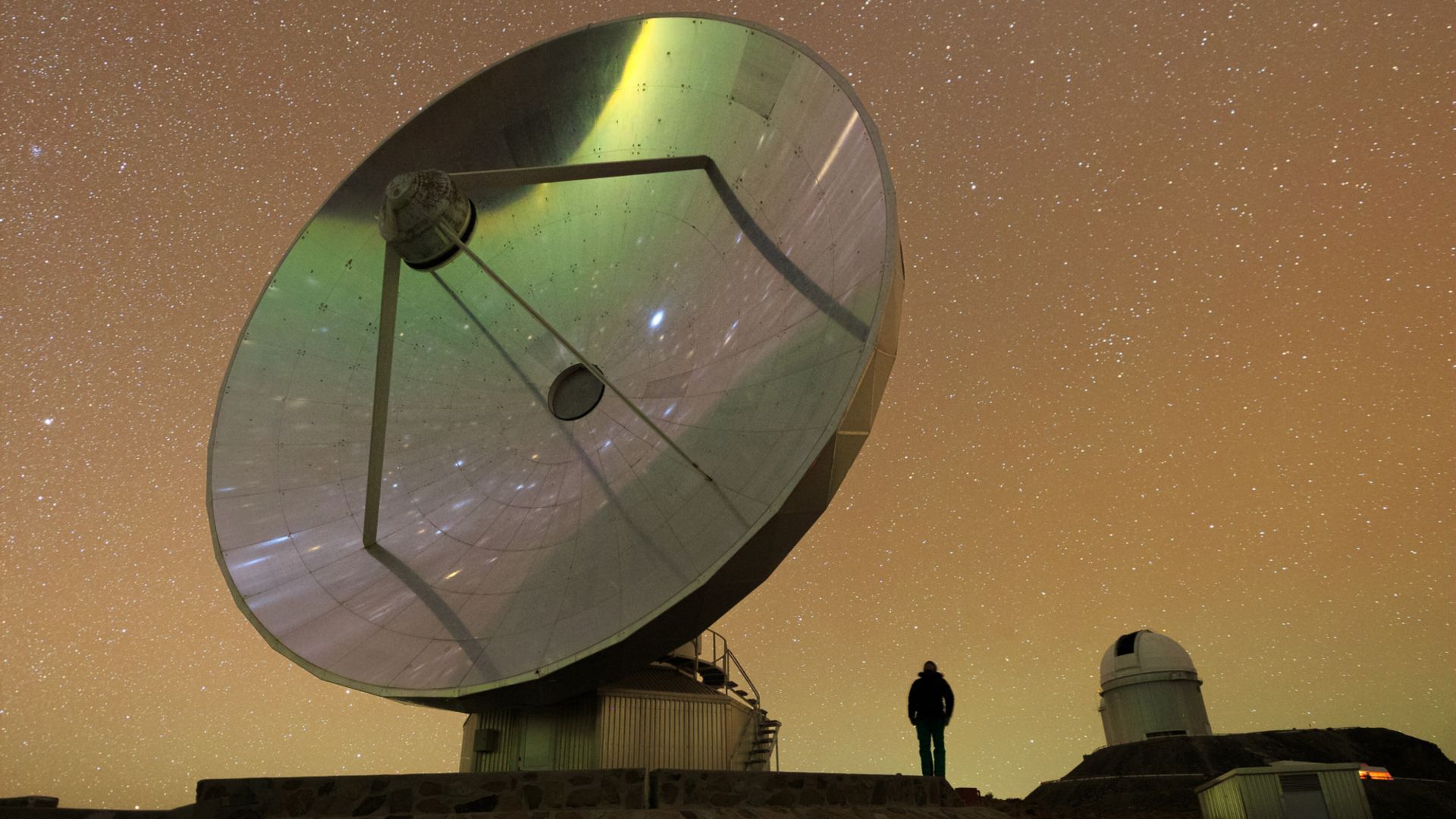
The universe in the eye of a telescope | Space photo of the day for Oct. 29, 2026
The Swedish-ESO Submillimetre Telescope (SEST) keeps its eye on the cosmos decades after being decommissioned.
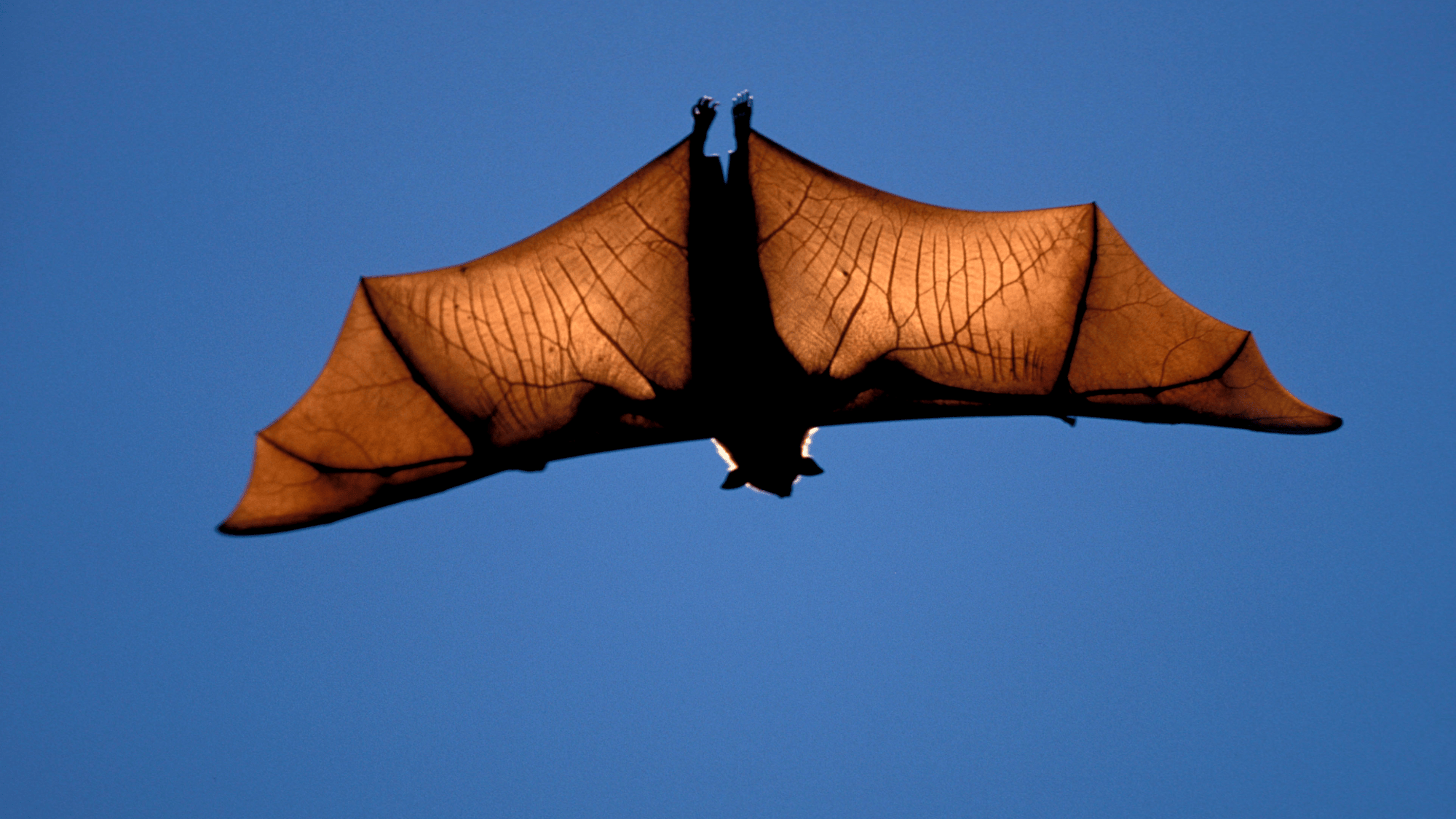
The puppy-sized bats of Madagascar are shrinking
They aren't interested in blood, just fruit. The post The puppy-sized bats of Madagascar are shrinking appeared first on Popular Science.

Contractor to Civil Servant: NASA Welcomes Jared Spiers
Jared Spiers had an interest in contributing to NASA’s mission long before becoming a civil servant for the agency. Growing up close to NASA’s Stennis Space Center near Bay St. Louis, Mississippi, and hearing about his father’s work there, he gained a firsthand connection to the nation’s space program. Before graduating high school, he knew […]

A single brain signal may explain schizophrenia's most puzzling symptoms
Scientists have identified a weakened brain signal that may connect several seemingly unrelated symptoms of schizophrenia, including sensory processing difficulties, disorganized speech, and greater symptom severity. The surprising discovery could help explain the disorder's underlying mechanisms and potentially lead to earlier detection and new treatments.
All Information In One Place
Real-time headlines from trusted sources. Get the app now — stay updated, inspired, and ahead with breaking news!
