

The universe in the eye of a telescope | Space photo of the day for Oct. 29, 2026
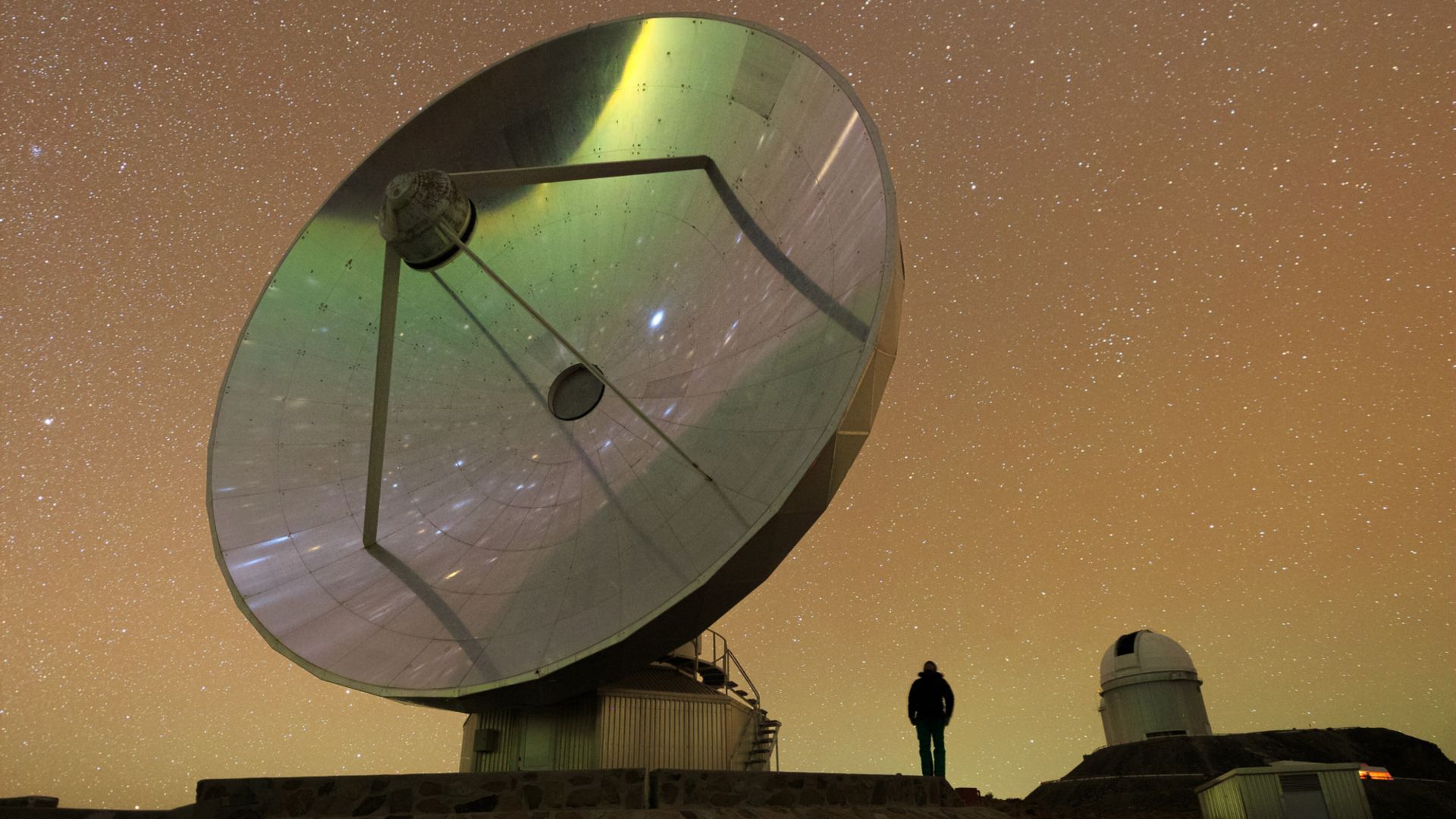
The Swedish-ESO Submillimetre Telescope (SEST) keeps its eye on the cosmos decades after being decommissioned.
Key Takeaways
- The universe in the eye of a telescope | Space photo of the day for Oct.
- The Swedish-ESO Submillimetre Telescope (SEST) keeps its eye on the cosmos decades after being decommissioned.
- The Swedish-ESO Submillimetre Telescope reflects the stars at the La Silla Observatory in Chile.
The Swedish-ESO Submillimetre Telescope reflects the stars at the La Silla Observatory in Chile. (Image credit: J. Rodrigues/ESO)Stars shine in the vast aluminum dish of the Swedish-ESO Submillimetre Telescope (SEST) in this photograph captured by astronomer and astrophotographer José Rodrigues during a recent visit to the European Southern Observatory's La Silla Observatory in Chile.What is it?Rodrigues' image captures "airglow" infusing the night sky over La Silla with a soft orange glow, which is created as sunlight interacts with molecules in the upper atmosphere, according to the University of Lancaster. The subtle phenomenon can be seen reflected in the 15-meter (49-foot) primary dish of the SEST telescope along with the myriad stars of the Southern Hemisphere, as the dome of the ESO's 3.6-meter telescope looms in the background.Why is it incredible?"Despite knowing about its 15-meter diameter beforehand, I was amazed by its size," Rodrigues noted in the ESO image release. The SEST first opened its great eye to the universe in 1987, at which time it was the only large telescope in the Southern Hemisphere tasked with collecting submillimeter wavelengths of light that exist beyond the visible light spectrum.These specific wavelengths of light are emitted by wandering comets and colossal clouds of cold molecular dust and gas threaded throughout the Milky Way and beyond. SEST's observations improved our knowledge of ancient galaxies, star formation and so much more, with its perch 2,375 meters (7,792 feet) above sea level granting it a near unrivalled view of the heavens above.The SEST telescope was decommissioned in 2003, though its work was continued by the more capable Atacama Pathfinder Experiment (APEX) and the Atacama Large Millimeter/Submillimeter Array (ALMA).With its working days over, the SEST telescope now stands as a quiet mirror reflecting the stars of the Southern Hemisphere night sky, seemingly pondering mysteries of the universe that it once tried to solve
Read Complete Original Article
Published originally on Space.com
Related News
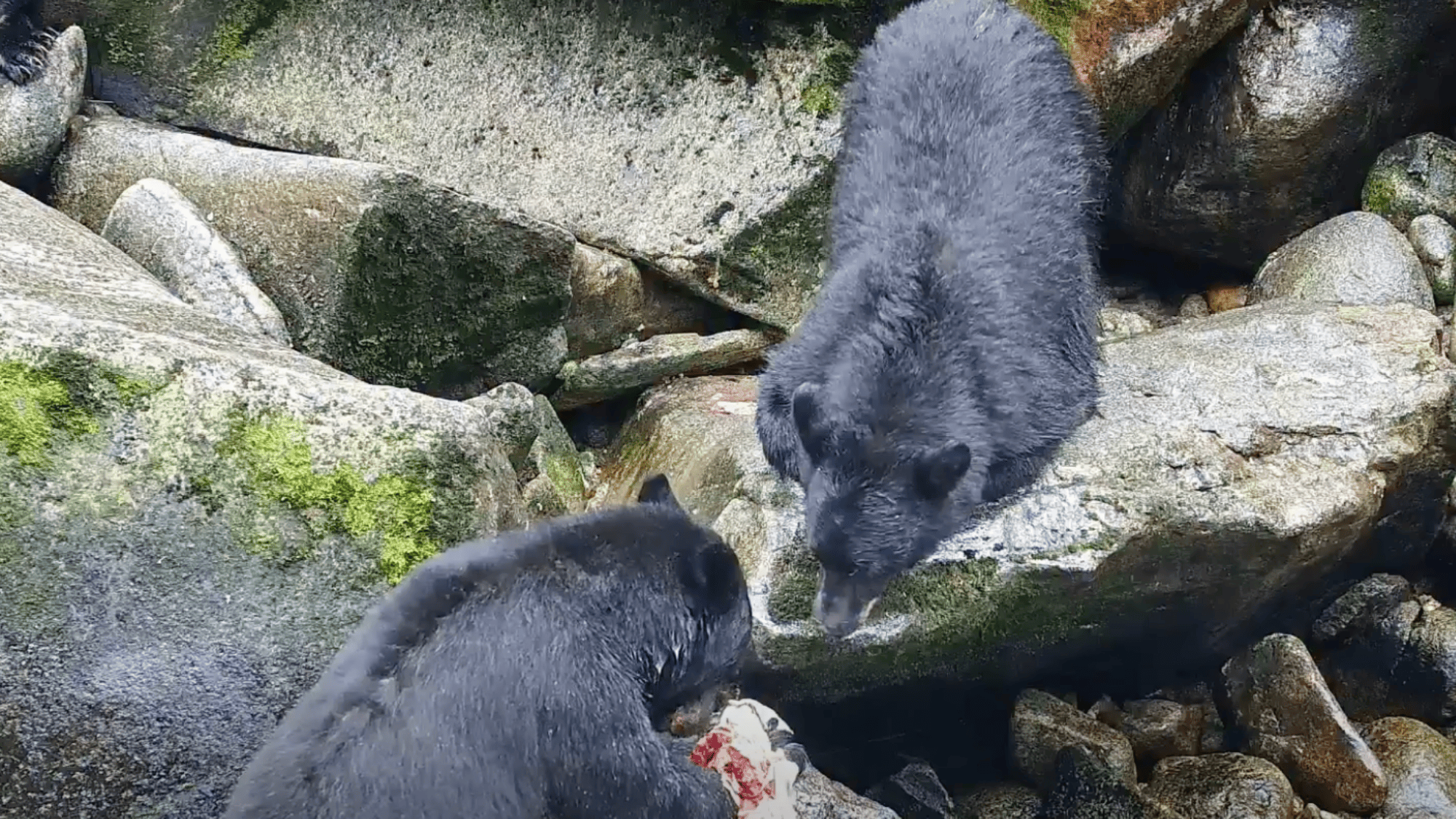
Extremely chill bear named Paul wins a Dude-approved award
For his patience around salmon, the USDA Forest Service awards the black bear the 2026 Dude abides Award. The post Extremely chill bear named Paul wins a Dude-approved award appeared first on Popular Science.

Big cats, unexplained lights and a floodlit eclipse — 7 skywatching 'horror stories' to keep you entertained this Halloween
Stargazing doesn't always go to plan, and we have the stories to prove it.

Envía tu nombre a Titán a bordo de la misión Dragonfly de la NASA
Read this release in English here. Puede que nunca llegues a surcar los cielos bajo las nubes o sobre las arenas orgánicas de la luna Titán de Saturno, ¡pero tu nombre sí puede hacerlo! La NASA invita al público a enviar su nombre a bordo de la aeronave de ala giratoria Dragonfly de la agencia […]

Send Your Name to Titan Aboard NASA’s Dragonfly Mission
You may never soar under the clouds or over the organic sands of Saturn’s moon Titan, but your name can. NASA is inviting the public to send their names aboard the agency’s Dragonfly rotorcraft and be part of the first science mission to fly and explore the surface of another world. To have your […]
All Information In One Place
Real-time headlines from trusted sources. Get the app now — stay updated, inspired, and ahead with breaking news!
