

On this day in space! Oct. 10, 1967: The Outer Space Treaty is ratified to lay out how countries can use outer space
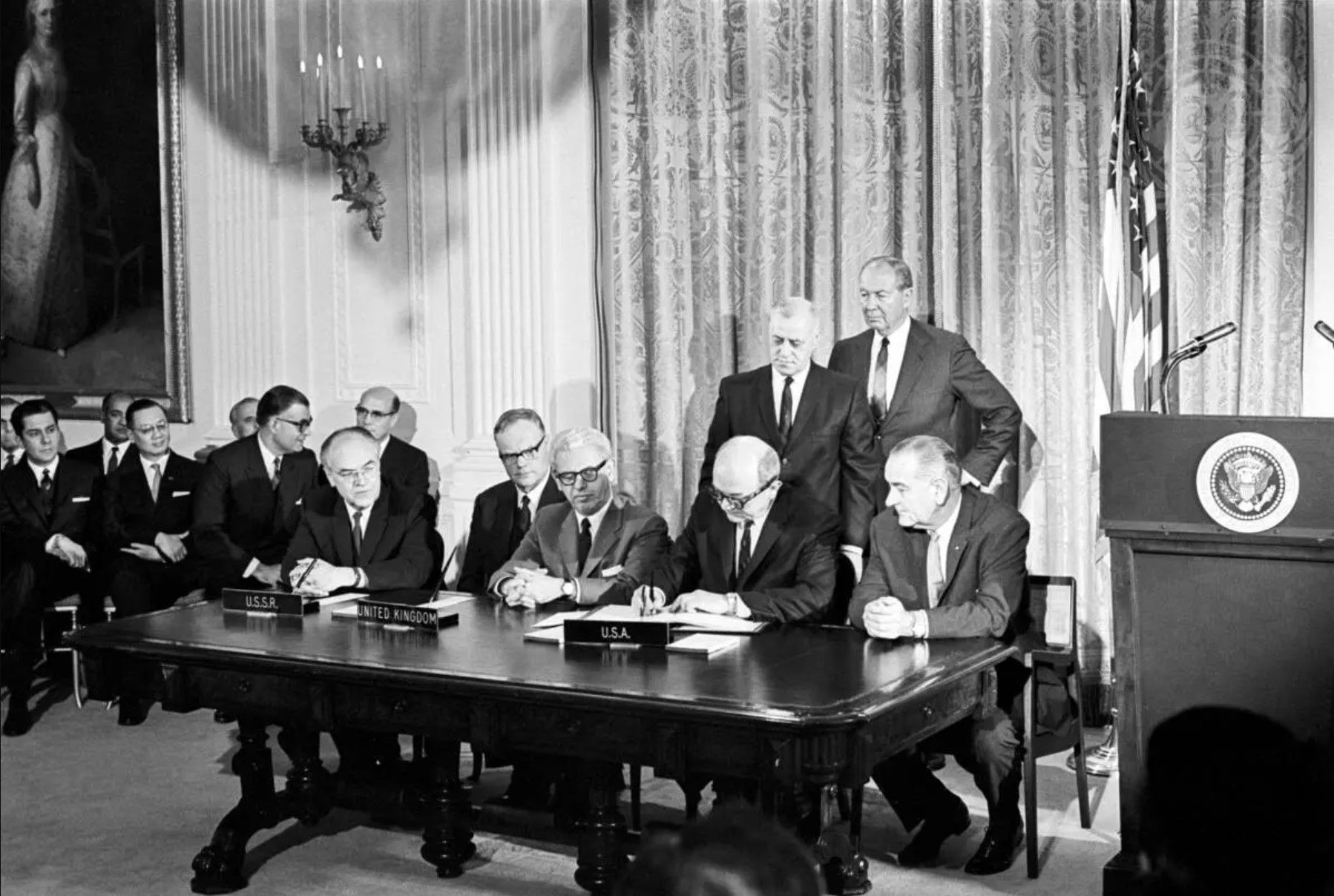
On Oct. 10, 1967, the international Outer Space Treaty on how countries can use outer space ratified. Here's why it mattered.
Key Takeaways
- On this day in space!
- 10, 1967: The Outer Space Treaty is ratified to lay out how countries can use outer space.
- 10, 1967, the international Outer Space Treaty on how countries can use outer space ratified.
On Oct. 10, 1967, the international Outer Space Treaty was ratified. This treaty established a set of rules regulating how different countries can explore and use outer space. Specifically, it says "the exploration and use of outer space shall be carried out for the benefit and in the interests of all countries and shall be the province of all mankind." The treaty dictates that no one can claim territory in outer space and that other celestial bodies must be used "exclusively for peaceful purposes." More than 100 countries have ratified the treaty today.The Outer Space Treaty is signed on Oct. 10, 1967 to lay the groundwork for how countries can explore and use outer space. (Image credit: United Nations)Why it matteredConsidered the "cornerstone" for modern space law, the Outer Space Treaty of 1967 (formally, the Treaty on Principles Governing the Activities of States in the Exploration and Use of Outer Space, including the Moon and Other Celestial Bodies) has provided more than a theoretical framework for future activities, but has been put to use and enforced for modern spaceflight activities.The treaty's primary focus is on the peaceful use of space. "First, it contains an undertaking not to place in orbit around the Earth, install on the moon or any other celestial body, or otherwise station in outer space, nuclear or any other weapons of mass destruction. Second, it limits the use of the moon and other celestial bodies exclusively to peaceful purposes and expressly prohibits their use for establishing military bases, installation, or fortifications; testing weapons of any kind; or conducting military maneuvers," reads a summary prepared by the U.S. State Department.Beyond that, the treaty addresses the ownership of spacecraft and satellites, whether they are in space, on the surface of another celestial body or on Earth; lays the foundation for restrictions on off-Earth property rights; and calls for parties to the treaty to provide aide when needed to astronauts, whether they are in space or encounter problems during their landings. Want more space history? Check out our full On This Day In Space Story archive and watch our On This Day In Space videos on YouTube.
Read Complete Original Article
Published originally on Space.com
Related News
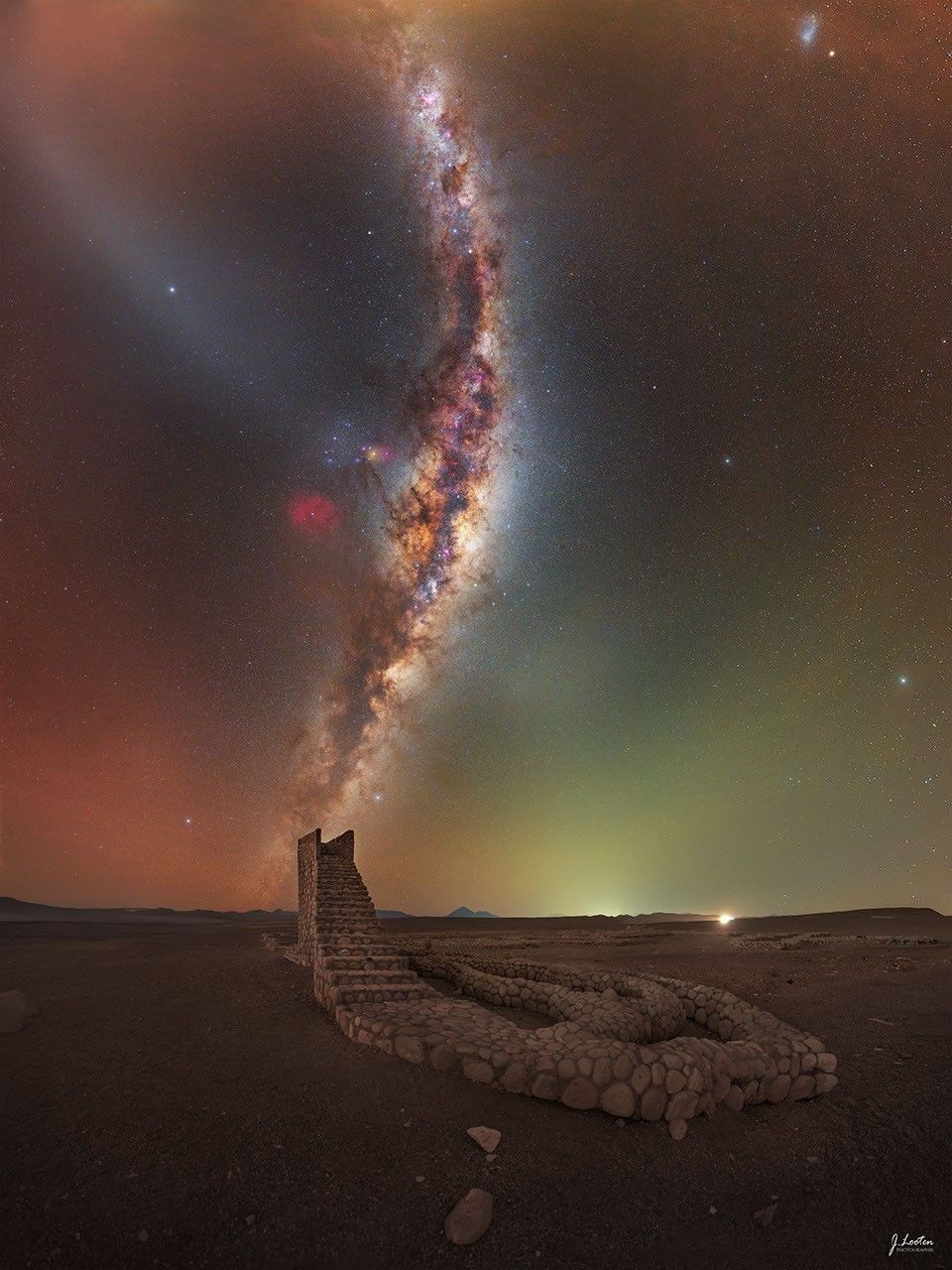
APOD: 2026 October 13 – Desert Stairway to Heaven
APOD Science APOD APOD: 2026 October 13 –… Today’s APOD Archive Submissions Index Search Calendar RSS Education About Discuss APOD Astronomy Picture of the Day Discover the cosmos! Each day a different image or photograph of our fascinating universe is featured, along with a brief explanation written by a professional astronomer. OriginalAnnotated Desert Stairway […]
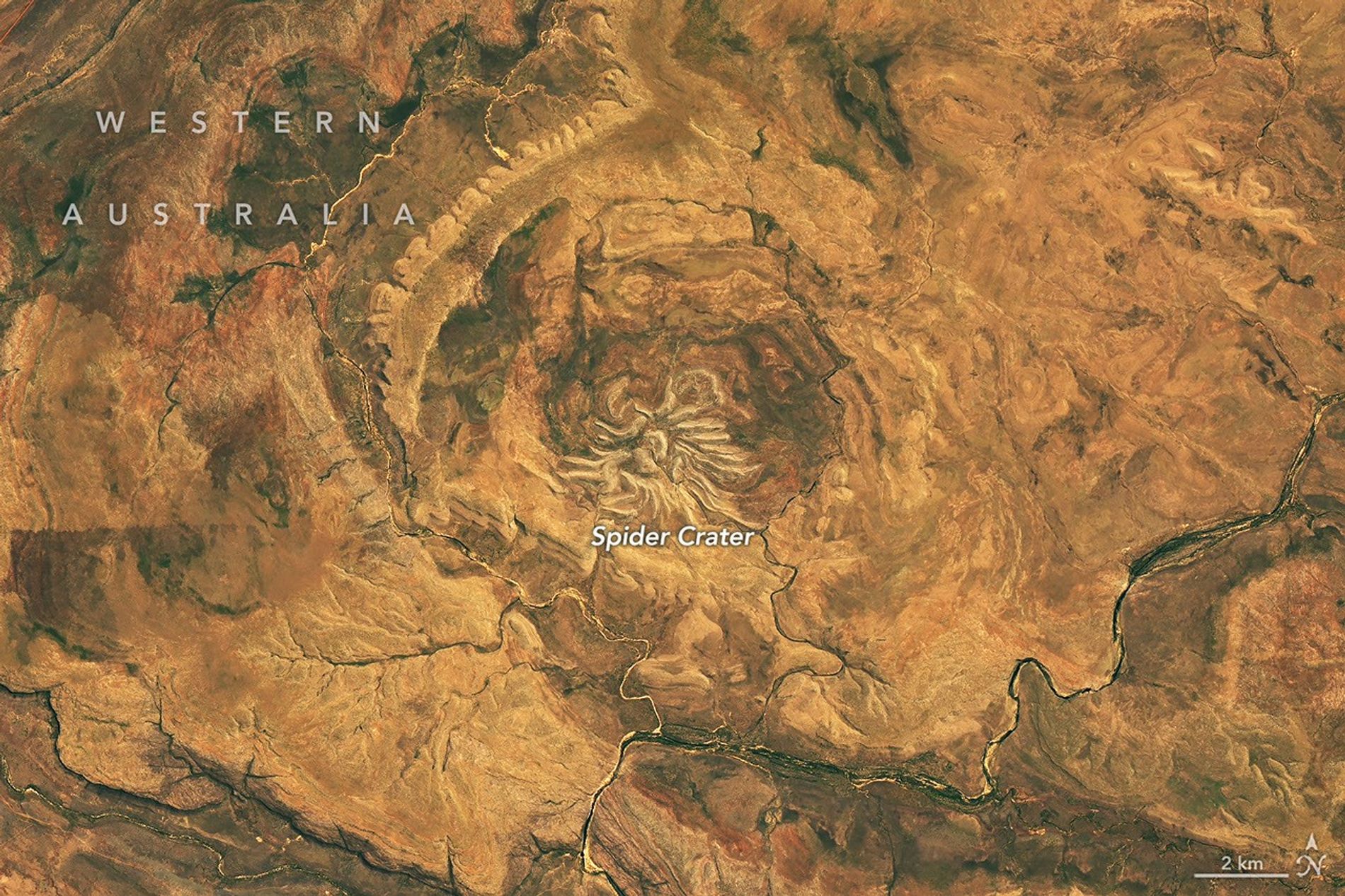
An Impact Structure With Legs
If the thought of extraterrestrial objects crashing into Earth weren’t creepy enough, behold Australia’s Spider Crater.
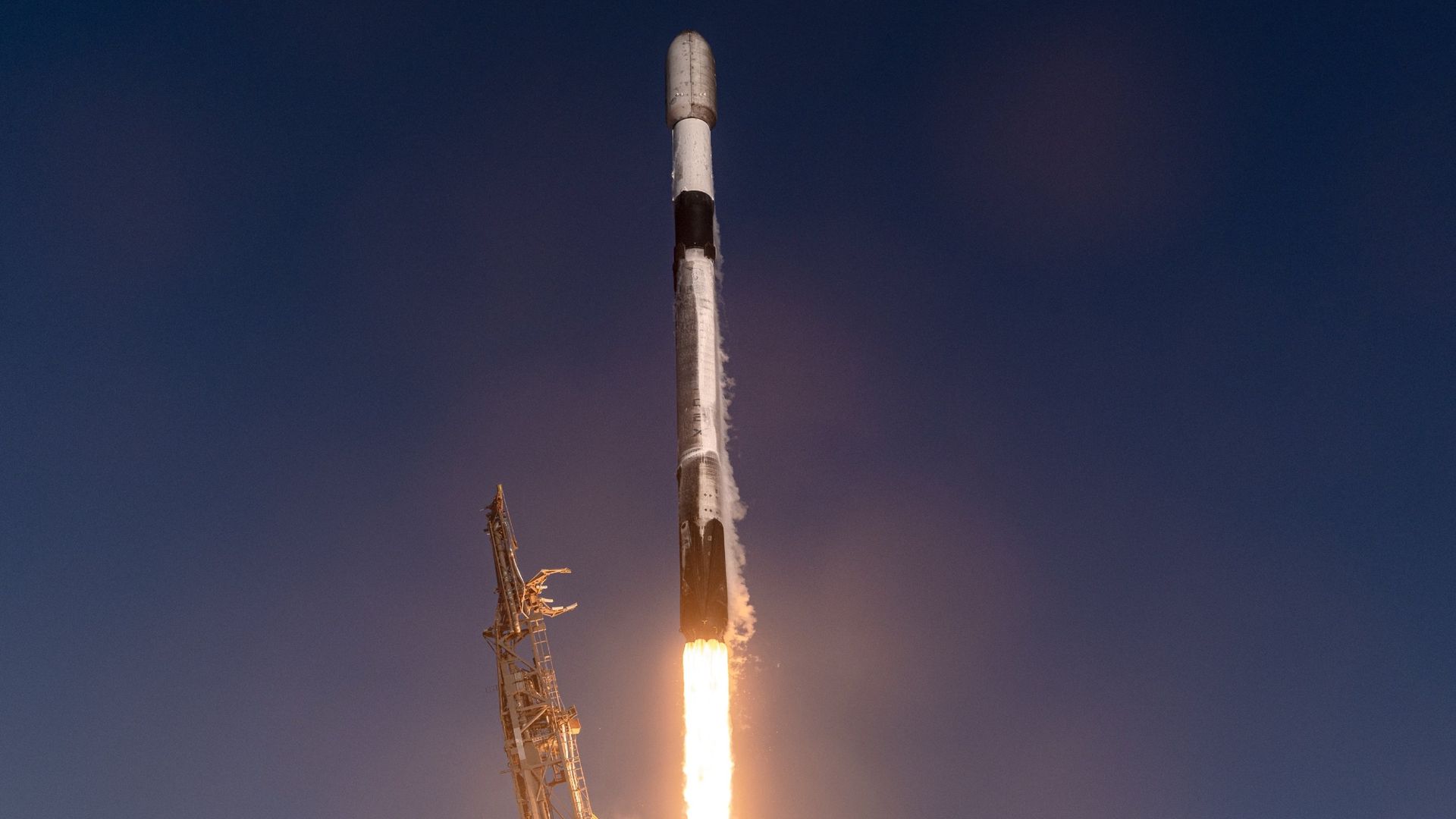
SpaceX launches Falcon 9 Starlink mission for 1st time in more than 3 weeks (photo)
SpaceX launched 27 of its Starlink broadband satellites to orbit today (Oct. 12), the first such mission for a Falcon 9 rocket since Sept. 19.

SpaceX launching 6,300 pounds of cargo to the ISS on Oct. 13: Watch it live
SpaceX will launch more than 3 tons of cargo toward the International Space Station on Tuesday morning (Oct. 13), and you can watch the action live.
All Information In One Place
Real-time headlines from trusted sources. Get the app now — stay updated, inspired, and ahead with breaking news!
