

SpaceX launches Falcon 9 Starlink mission for 1st time in more than 3 weeks (photo)
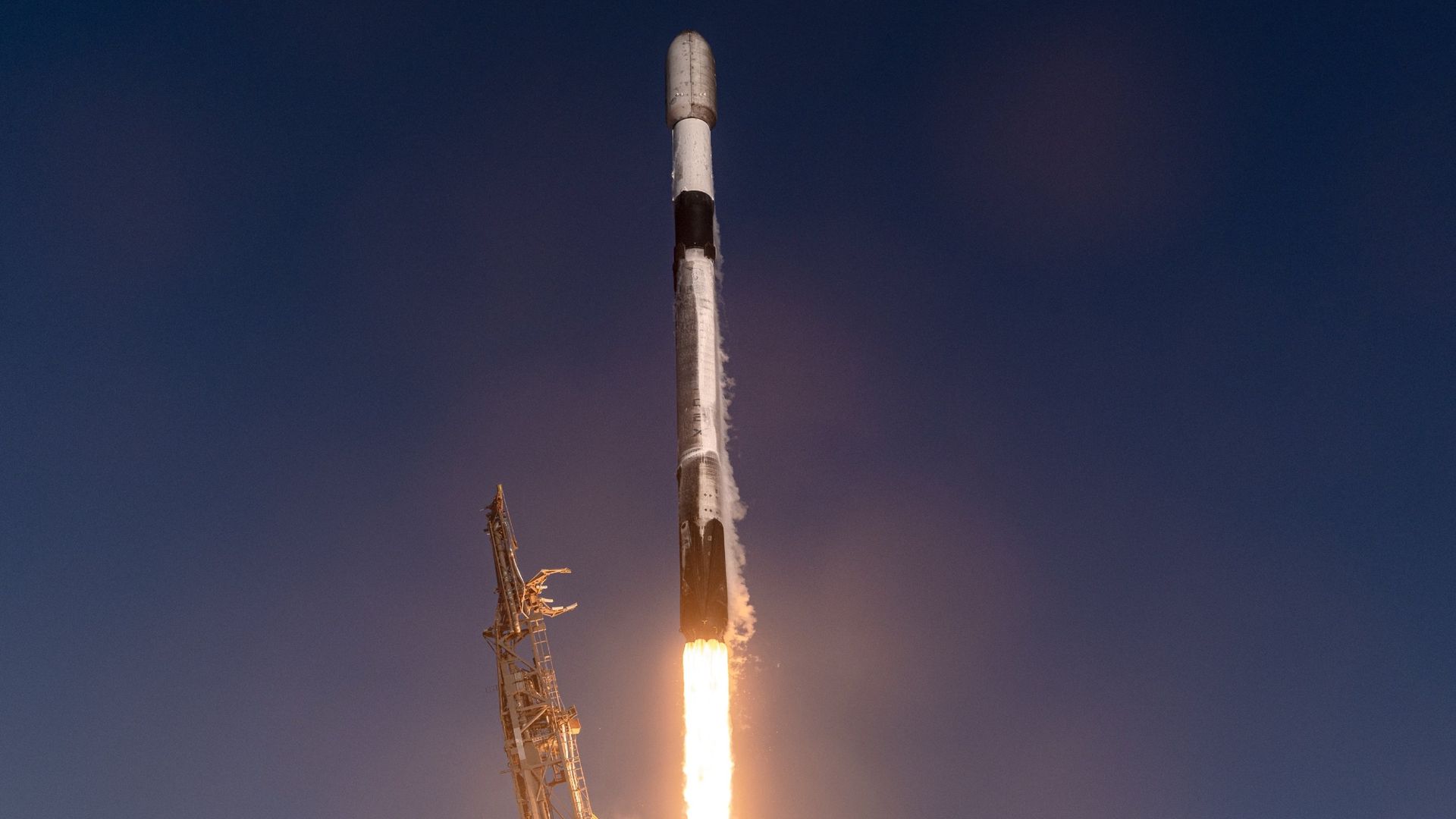
SpaceX launched 27 of its Starlink broadband satellites to orbit today (Oct. 12), the first such mission for a Falcon 9 rocket since Sept. 19.
Key Takeaways
- SpaceX launches Falcon 9 Starlink mission for 1st time in more than 3 weeks (photo).
- SpaceX launched 27 of its Starlink broadband satellites to orbit today (Oct.
- 12), the first such mission for a Falcon 9 rocket since Sept.
SpaceX just broke an uncharacteristically long Starlink launch drought.The company sent 27 of its Starlink internet satellites to low Earth orbit (LEO) today (Oct. 12), launching them atop a Falcon 9 rocket from California's Vandenberg Space Force Base at 8:28 p.m. EDT (5:28 p.m. local time; 0028 GMT on Oct. 13)It was the first Starlink mission for a Falcon 9 since Sept. 19, which was another 27-satellite liftoff from Vandenberg. For some perspective on this recent gap: Between Aug. 19 and Sept. 6, a span of 19 days, SpaceX launched seven Starlink missions with Falcon 9s.The Falcon 9's first stage rests on the deck of a ship at sea shortly after the Oct. 12 launch. (Image credit: SpaceX)SpaceX did loft a batch of Starlinks after that, but it wasn't aboard a Falcon 9. The company's Starship megarocket carried 26 next-gen Starlink V3 craft on its 14th test flight, which took place on Sept. 28.Starship reached orbit for the first time ever on Flight 14, and it deployed the Starlinks successfully as well. This will happen many more times going forward, if all goes to plan: The Starlink V3 constellation will eventually consist of about 100,000 satellites, all of which will fly on Starship, Elon Musk has said. Indeed, SpaceX plans to sunset the Falcon 9 and its cousin, the Falcon Heavy, in the next few years, shifting their duties over to the fully reusable, far more powerful Starship, which remains in the test-flight phase.That shift will be a big one for the spaceflight community, for the Falcon 9 is the workhorse rocket of its generation. In 2025, for example, it flew 165 times — roughly the same number as the rest of the world's orbital launchers combined. Nearly three-quarters of those Falcon 9 launches were Starlink missions.Things have slowed down a bit in 2026. Today's flight was the 112th Falcon 9 liftoff of the year, and the 82nd in service of the Starlink megaconstellation, which currently consists of more than 11,100 active satellites.Previous Booster 1088 launchesNROL-126 | Transporter-12 | SPHEREx | NROL-57 | USSF-366 | 14 Starlink missionsAll went according to plan on today's launch. The Falcon 9's first stage came back to Earth as planned, touching down about 8.5 minutes after launch on the drone ship "Of Course I Still Love You," which was stationed in the Pacific Ocean. It was the 20th launch and landing for this particular booster, which is designated B1088.The rocket's expendable upper stage, meanwhile, delivered the 27 spacecraft to LEO, deploying them there 62 minutes after liftoff, SpaceX announced via X.
Read Complete Original Article
Published originally on Space.com
Related News

APOD: 2026 October 13 – Desert Stairway to Heaven
APOD Science APOD APOD: 2026 October 13 –… Today’s APOD Archive Submissions Index Search Calendar RSS Education About Discuss APOD Astronomy Picture of the Day Discover the cosmos! Each day a different image or photograph of our fascinating universe is featured, along with a brief explanation written by a professional astronomer. OriginalAnnotated Desert Stairway […]
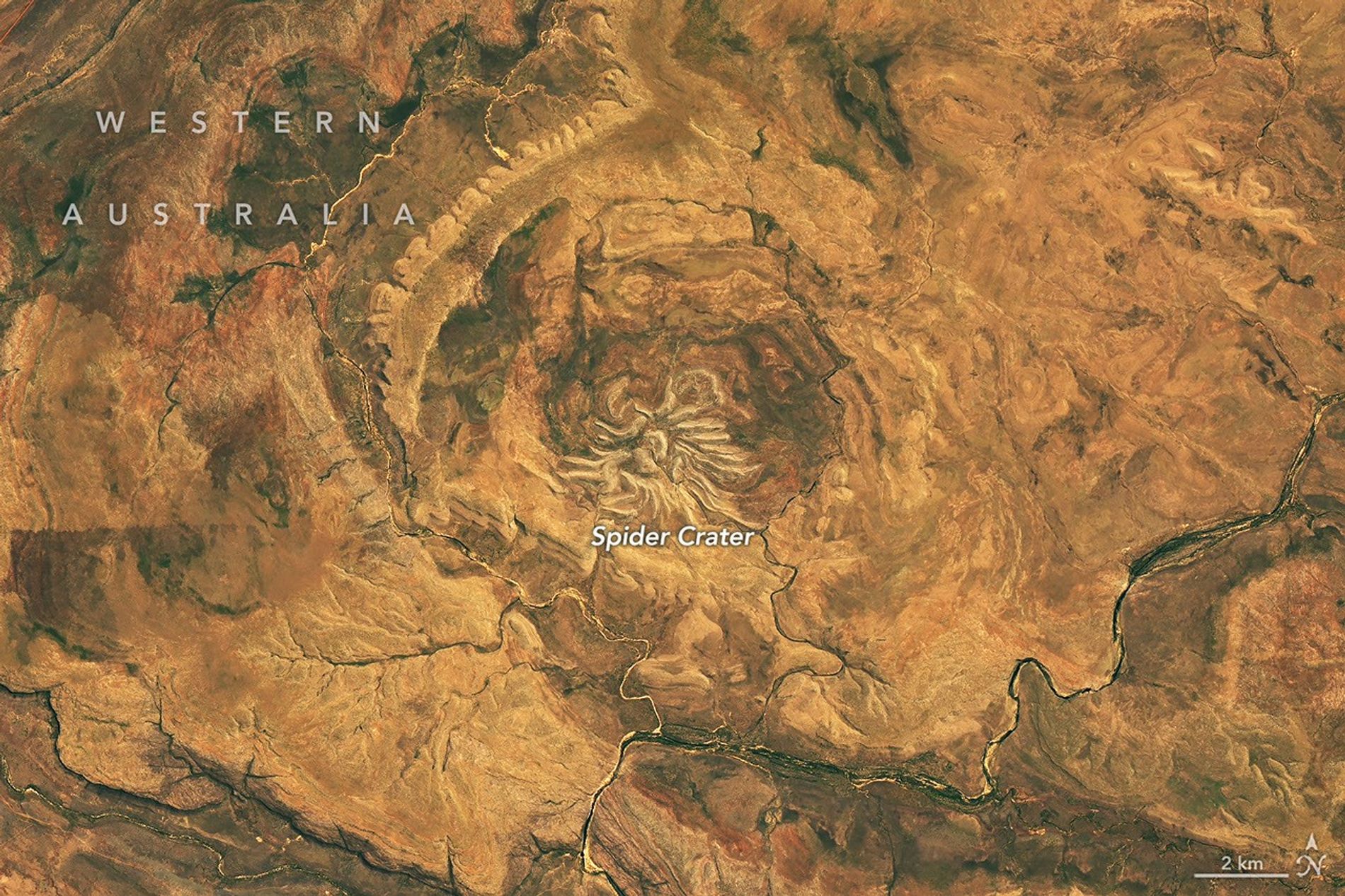
An Impact Structure With Legs
If the thought of extraterrestrial objects crashing into Earth weren’t creepy enough, behold Australia’s Spider Crater.

SpaceX launching 6,300 pounds of cargo to the ISS on Oct. 13: Watch it live
SpaceX will launch more than 3 tons of cargo toward the International Space Station on Tuesday morning (Oct. 13), and you can watch the action live.
All Information In One Place
Real-time headlines from trusted sources. Get the app now — stay updated, inspired, and ahead with breaking news!
