

NASA Briefing to Highlight Contributions to Martian Moons Mission
Media are invited to join NASA for a media teleconference at 4 p.m. EDT, Thursday, Oct. 15, to preview the agency’s contributions to JAXA’s (Japan Aerospace Exploration Agency) Martian Moons eXploration (MMX) mission. The mission is scheduled to launch from JAXA’s Tanegashima Space Center in Japan on Monday, Oct. 19 EDT (Tuesday, Oct. 20 JST). […]
Key Takeaways
- NASA Briefing to Highlight Contributions to Martian Moons Mission.
- Media are invited to join NASA for a media teleconference at 4 p.m.
- 15, to preview the agency’s contributions to JAXA’s (Japan Aerospace Exploration Agency) Martian Moons eXploration (MMX) mission.
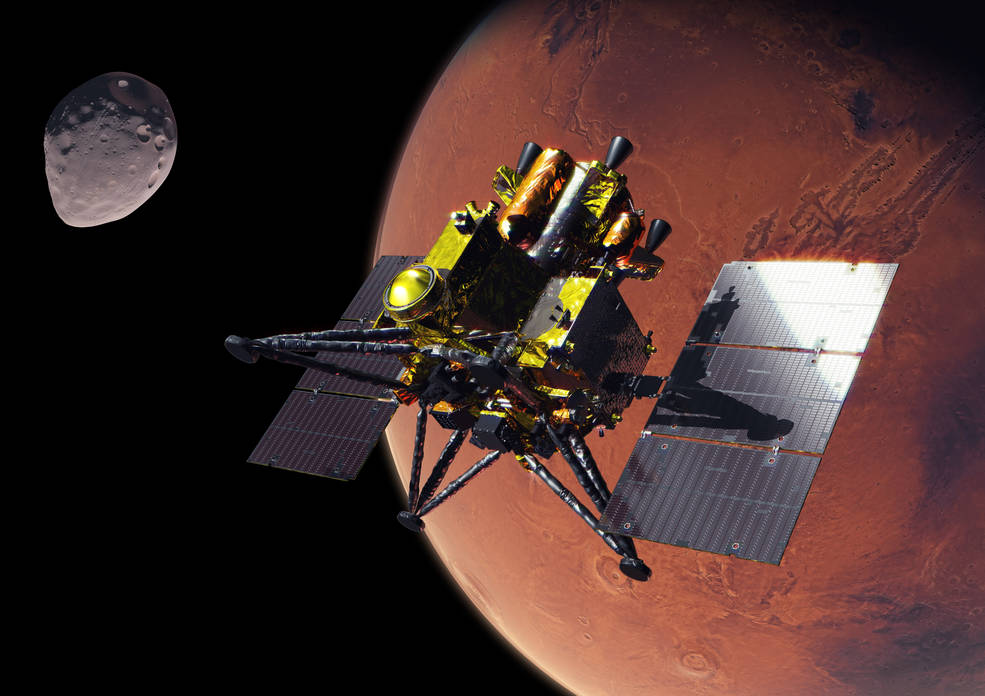
An artist’s concept of JAXA’s (Japan Aerospace Exploration Agency) Martian Moons eXploration (MMX) spacecraft at Mars. Credit: JAXA Media are invited to join NASA for a media teleconference at 4 p.m. EDT, Thursday, Oct. 15, to preview the agency’s contributions to JAXA’s (Japan Aerospace Exploration Agency) Martian Moons eXploration (MMX) mission. The mission is scheduled to launch from JAXA’s Tanegashima Space Center in Japan on Monday, Oct. 19 EDT (Tuesday, Oct. 20 JST). Audio of the media teleconference will stream on the agency’s website at: https://www.nasa.gov/live Participants in the briefing, who will provide an overview of the mission and NASA’s contributions, include: Lindsay Hays, acting director, Planetary Science Division, NASA Headquarters in Washington Tom Statler, MMX program executive and scientist, Planetary Science Division, NASA Headquarters David Lawrence, MEGANE (Mars-moon Exploration with Gamma-rays and Neutrons) principal investigator, Johns Hopkins Applied Physics Laboratory Kris Zacny, vice president, Blue Origin’s Honeybee Robotics Media interested in participating by phone must RSVP no later than two hours prior to the start of the teleconference to Molly Wasser at molly.l.wasser@nasa.gov. A copy of NASA’s media accreditation policy is online. The MMX spacecraft will arrive at Mars in August 2027 to begin its survey of the Red Planet’s two moons, Phobos and Deimos. After surveying Phobos in detail, the spacecraft will collect a sample of the moon’s surface no earlier than December 2028 and deliver it to Earth in 2031. NASA’s contributions to the mission include the MEGANE gamma-ray and neutron spectrometer, the spacecraft’s surface sampler mechanism, and communications and navigation support from the agency’s Deep Space Network, as well as funding United States scientists participating on the MMX science team. The MEGANE instrument was developed by Johns Hopkins Applied Physics Laboratory. Honeybee Robotics, a Blue Origin company, developed the spacecraft’s pneumatic sampler mechanism. NASA’s contributions to the MMX mission were funded by the agency’s Discovery Program, which provides frequent flight opportunities for high-value, focused planetary science investigations. The Discovery Program is managed by NASA’s Marshall Space Flight Center in Huntsville, Alabama, for the agency’s Science Mission Directorate in Washington. For more information about the MMX mission, visit: https://science.nasa.gov/mission/mmx/ -end- Karen Fox / Alana JohnsonHeadquarters, Washington240-285-5155 / 202-672-4780karen.c.fox@nasa.gov / alana.r.johnson@nasa.gov Share Details Last Updated Oct 08, 2026 EditorJessica TaveauLocationNASA Headquarters Related TermsMartian Moon Exploration (MMX)MarsPlanetary Science DivisionScience Mission Directorate
Read Complete Original Article
Published originally on NASA News
Related News
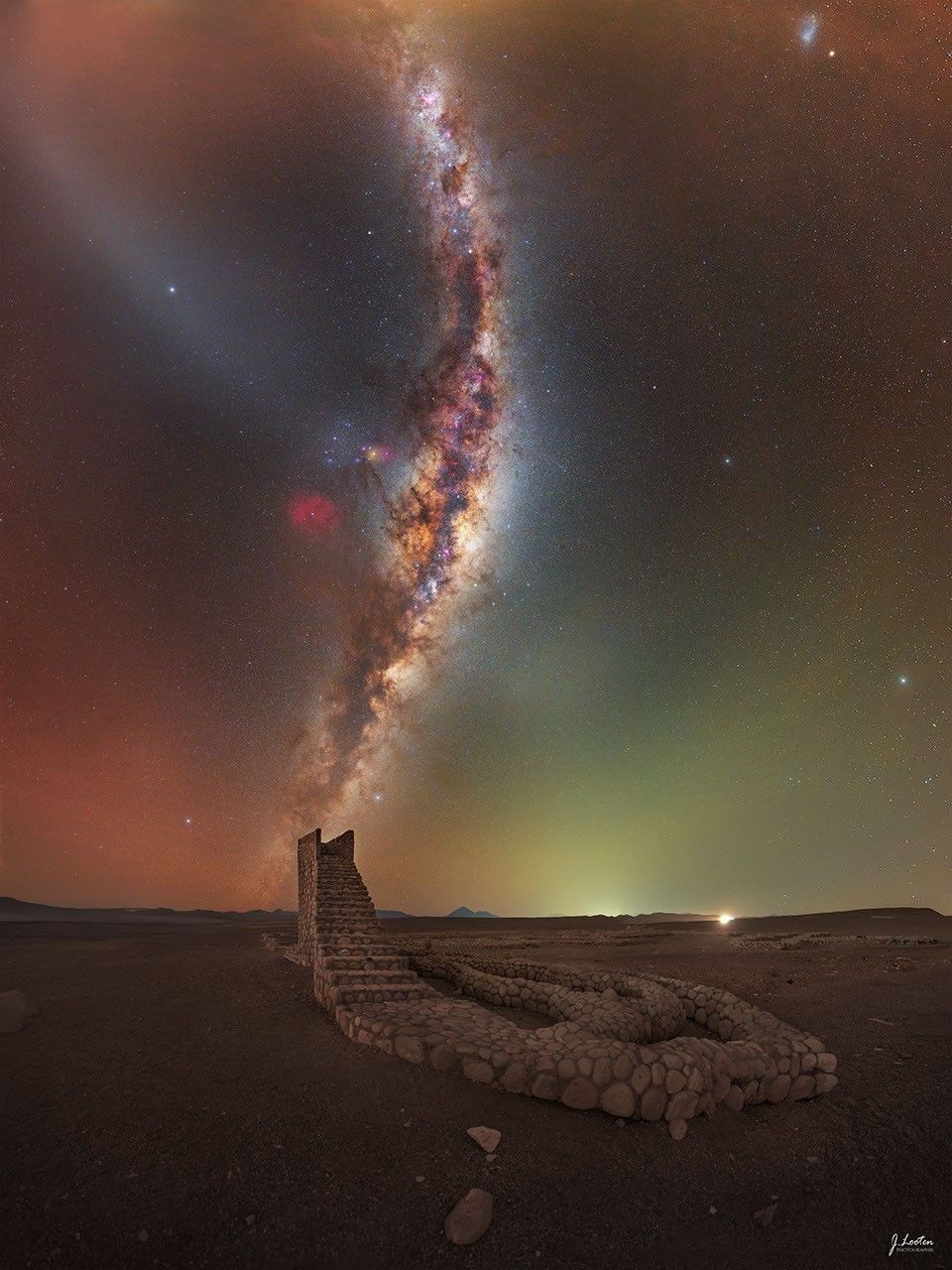
APOD: 2026 October 13 – Desert Stairway to Heaven
APOD Science APOD APOD: 2026 October 13 –… Today’s APOD Archive Submissions Index Search Calendar RSS Education About Discuss APOD Astronomy Picture of the Day Discover the cosmos! Each day a different image or photograph of our fascinating universe is featured, along with a brief explanation written by a professional astronomer. OriginalAnnotated Desert Stairway […]
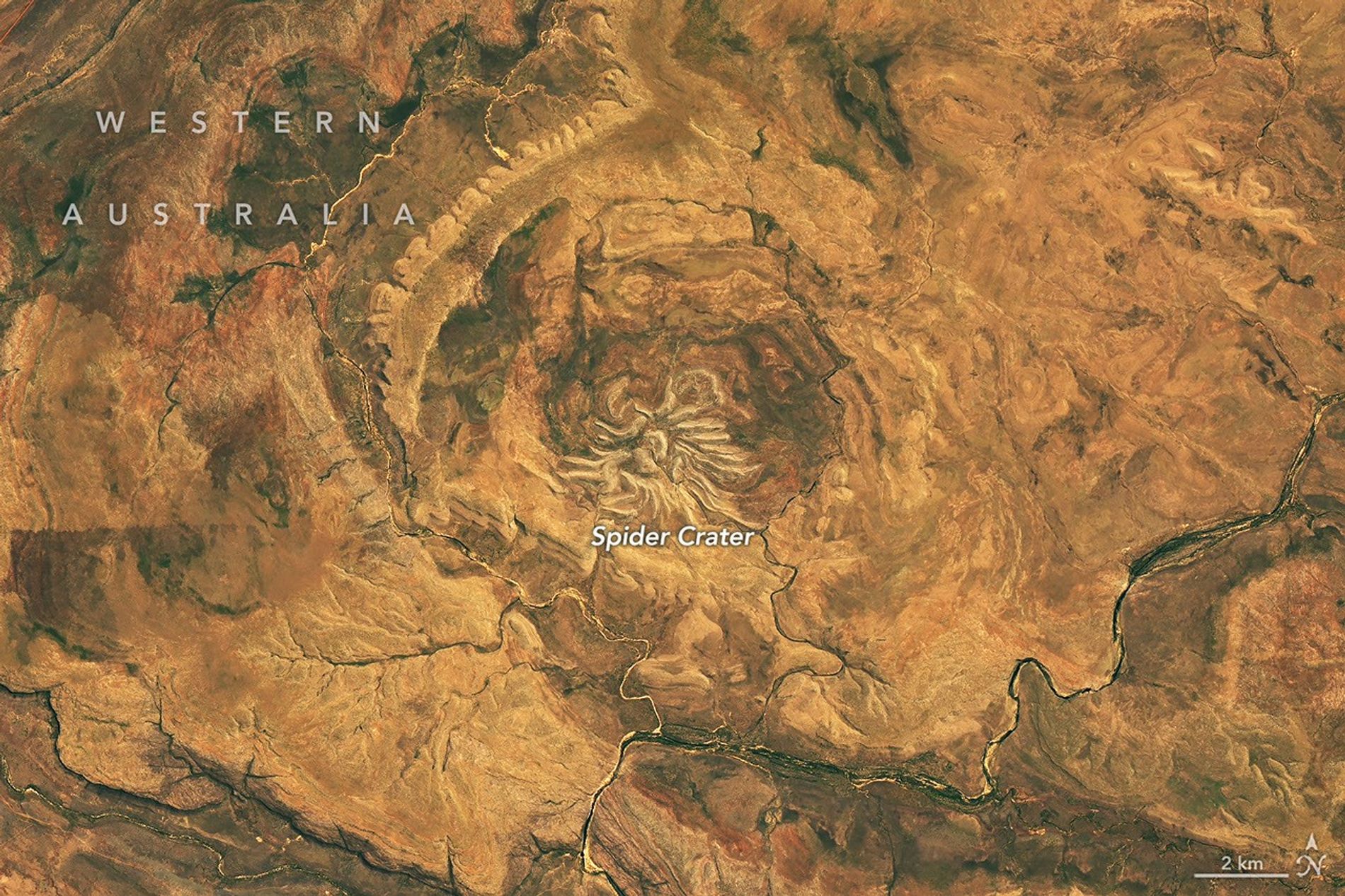
An Impact Structure With Legs
If the thought of extraterrestrial objects crashing into Earth weren’t creepy enough, behold Australia’s Spider Crater.
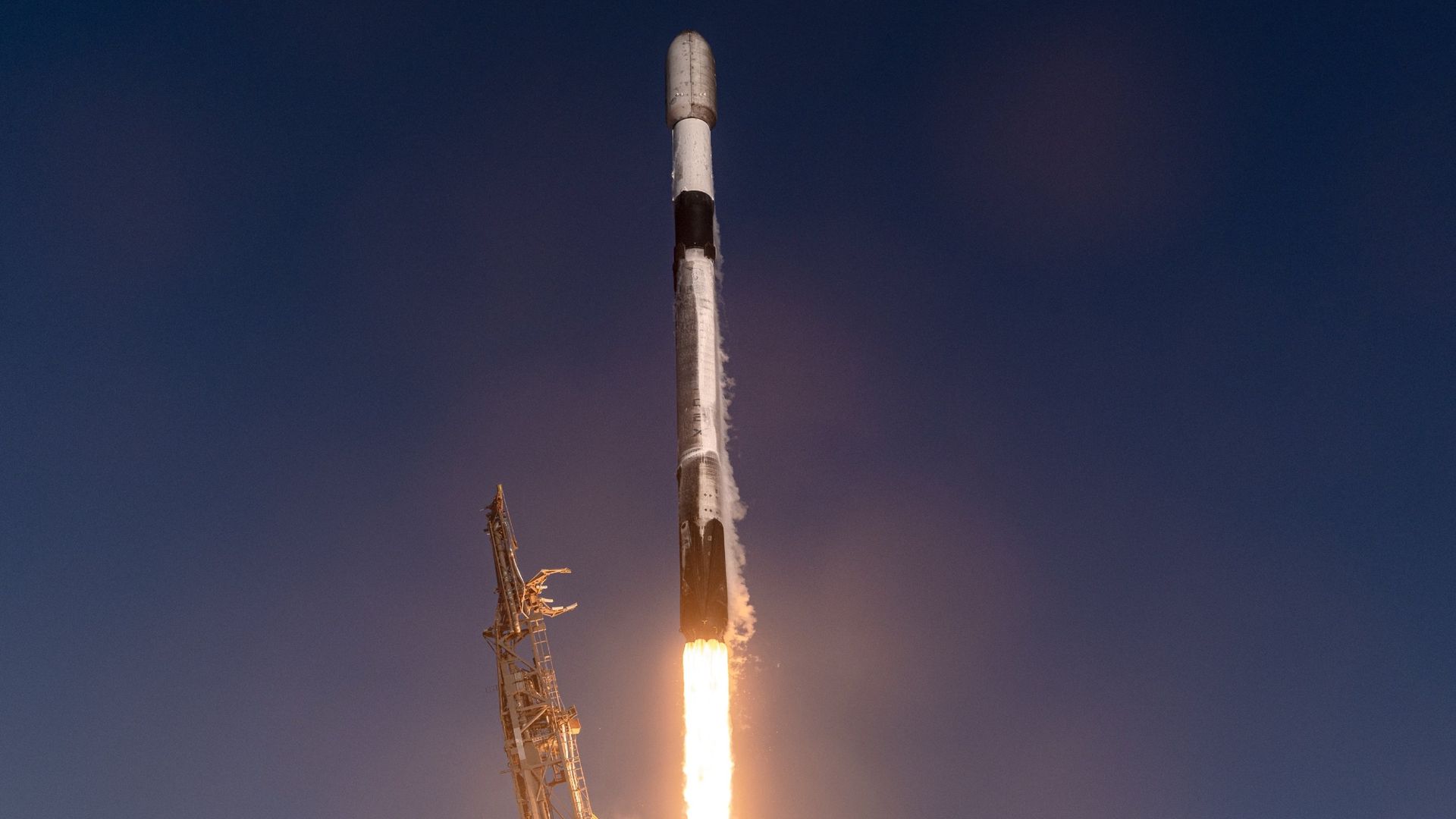
SpaceX launches Falcon 9 Starlink mission for 1st time in more than 3 weeks (photo)
SpaceX launched 27 of its Starlink broadband satellites to orbit today (Oct. 12), the first such mission for a Falcon 9 rocket since Sept. 19.

SpaceX launching 6,300 pounds of cargo to the ISS on Oct. 13: Watch it live
SpaceX will launch more than 3 tons of cargo toward the International Space Station on Tuesday morning (Oct. 13), and you can watch the action live.
All Information In One Place
Real-time headlines from trusted sources. Get the app now — stay updated, inspired, and ahead with breaking news!
