
India launches next-gen navigation satellite to orbit (video)
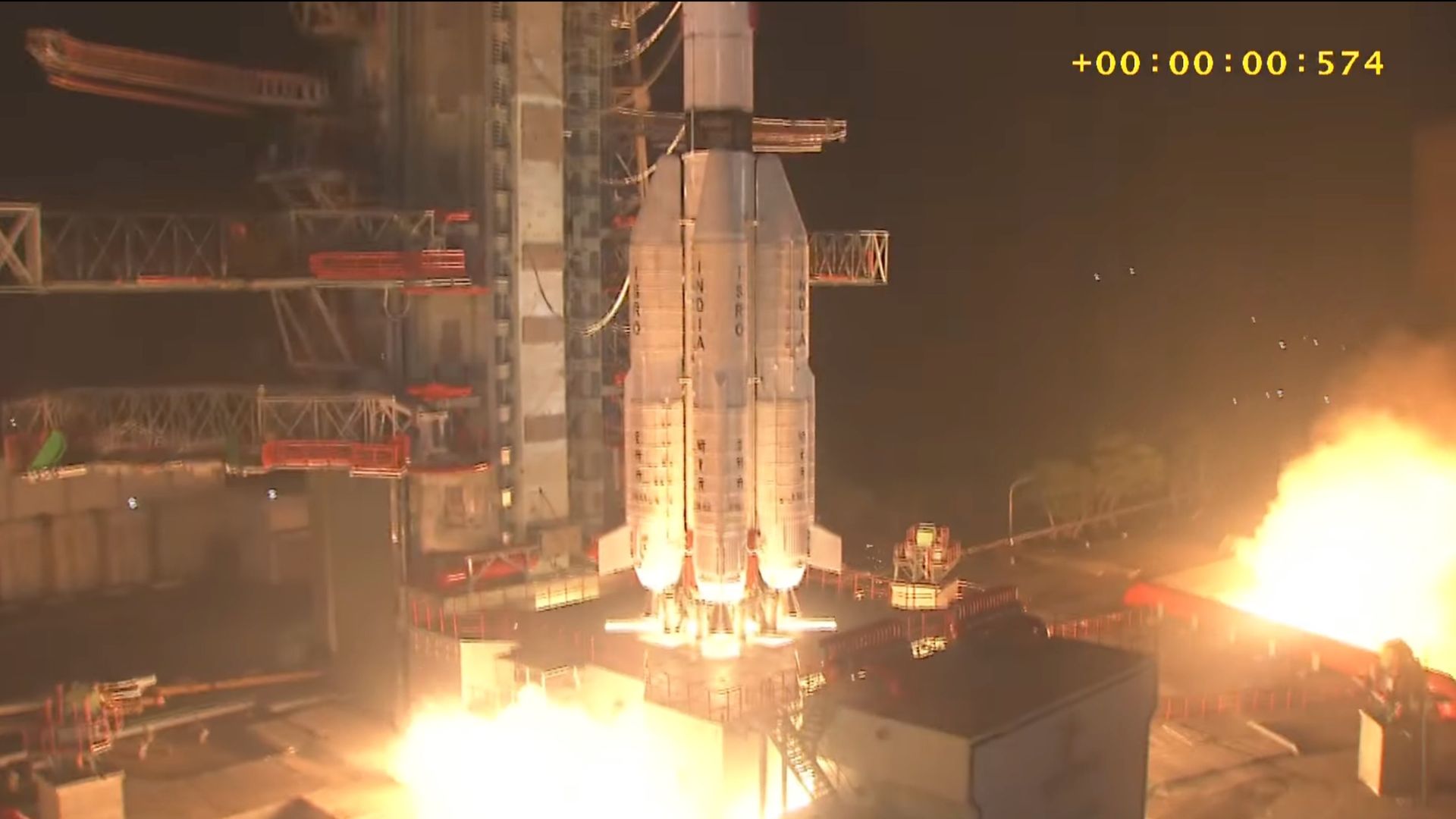
India launched the NVS-03 navigation satellite to orbit today (Oct. 30) atop a GSLV rocket. It was the fourth orbital launch from Indian soil so far this year.
Key Takeaways
- India launches next-gen navigation satellite to orbit (video).
- India launched the NVS-03 navigation satellite to orbit today (Oct.
- 30) atop a GSLV rocket.
India bolstered its homegrown satellite-navigation system today (Oct. 30).A GSLV Mark II rocket launched the nation's NVS-03 satellite from Satish Dhawan Space Centre today at 2:21 p.m. EDT (1821 GMT and 11:51 p.m. India Standard Time).Everything went well: The rocket deployed NVS-03 into geostationary transfer orbit as planned, officials with the Indian Space Research Organisation (ISRO) announced on X about 30 minutes after liftoff.An Indian GSLV Mark II rocket launches the NVS-03 navigation satellite on Oct. 30, 2026. (Image credit: ISRO)NVS-03 is the third next-gen satellite that India has launched for the Navigation with Indian Constellation (NavIC), its version of the United States' Global Positioning System (GPS).NavIC operates on a smaller scale than its American counterpart, however. It's "a regional navigation satellite system designed to provide accurate Position, Navigation and Timing (PNT) service to users in India as well as the region extending about 1,500 km [930 miles] beyond the Indian landmass, which is its primary service area," ISRO officials wrote in the NVS-03 launch brochure.The Indian constellation currently consists of three fully functioning satellites, and it requires four to provide PNT services. So today's launch was a big deal — and a lot of eyes will be watching NVS-03's commissioning and checkout phase.Today's launch was the 14th to date for the GSLV (Geosynchronous Satellite Launch Vehicle) Mark II, a three-stage rocket that stands 170 feet (52 meters) tall. Twelve of those 14 liftoffs have been successful.The GSLV Mark II debuted in 2010, the same year its predecessor retired. That previous launchers, the Mark I, flew a total of six times, with two failures.NVS-03 was the fourth Indian launch of 2026 and the third operated by ISRO. The fourth was mounted by Skyroot Aerospace, which in July became the first Indian company ever to successfully reach orbit.
Read Complete Original Article
Published originally on Space.com
Related News

Scientists say a forgotten particle may explain why the universe exists
A mysterious particle overlooked for decades may hold the key to why matter survived the Big Bang, allowing stars, planets, and life to exist. Scientists believe this forgotten neutrino reshaped the early universe and may have left detectable gravitational wave signals that could help unlock the cosmos’s deepest mysteries.
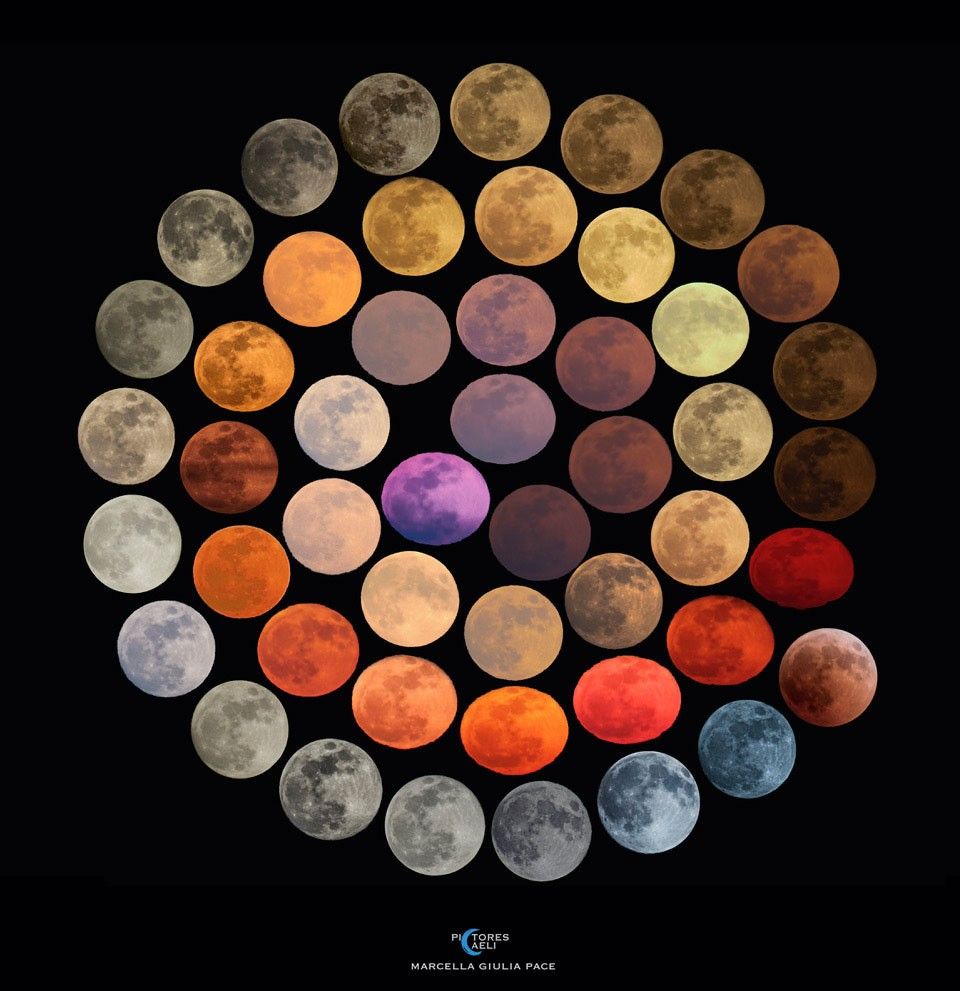
APOD: 2026 November 1 – Colors of the Moon
APOD Science APOD APOD: 2026 November 1 –… Today’s APOD Archive Submissions Index Search Calendar RSS Education About Discuss APOD Astronomy Picture of the Day Discover the cosmos! Each day a different image or photograph of our fascinating universe is featured, along with a brief explanation written by a professional astronomer. Colors of the […]
Scientists discover the hidden “muscles” trees use to straighten themselves
Scientists have discovered that trees can sense their own shape and straighten their trunks using specialized wood that acts like opposing muscles. This remarkable ability helps trees maintain their posture and could lead to stronger forests, better timber, and more resilient crops.
Scientists discover a hidden driver of high cholesterol and a way to stop it
Scientists have uncovered a hidden mechanism that allows high-cholesterol diets to undermine the body's natural cholesterol defenses, and blocking it dramatically lowered harmful LDL cholesterol in mice. Even more promising, an experimental drug targeting this pathway has already passed an early human safety trial, potentially speeding the development of a new treatment for high cholesterol.
All Information In One Place
Real-time headlines from trusted sources. Get the app now — stay updated, inspired, and ahead with breaking news!
