
Science2h ago
The grossest thing you touch every day, according to science
You've likely already touched it about 47 times today. The post The grossest thing you touch every day, according to science appeared first on Popular Science.
You've likely already touched it about 47 times today. The post The grossest thing you touch every day, according to science appeared first on Popular Science.

Amazon already has nearly two dozen popular products at the lowest prices of the year. The post Amazon’s early Black Friday deals have started and these 21 products are at their 2026 lows appeared first on Popular Science.

Let's clear the air about how easy it is to construct a $75 filter cube. The post How to build an air purifier in 6 steps appeared first on Popular Science.

Nintendo's sci-fi shooter franchise is in dire straits, but we've got the solution to Samus's problems.

Step aside, Teenage Mutant Ninja Turtles. The post Fierce turtles square off in a rare woodland turf battle appeared first on Popular Science.

Satellites are watching fireballs blaze through Earth's atmosphere, strengthening planetary defense knowhow and helping scientists learn more about space debris impacts.
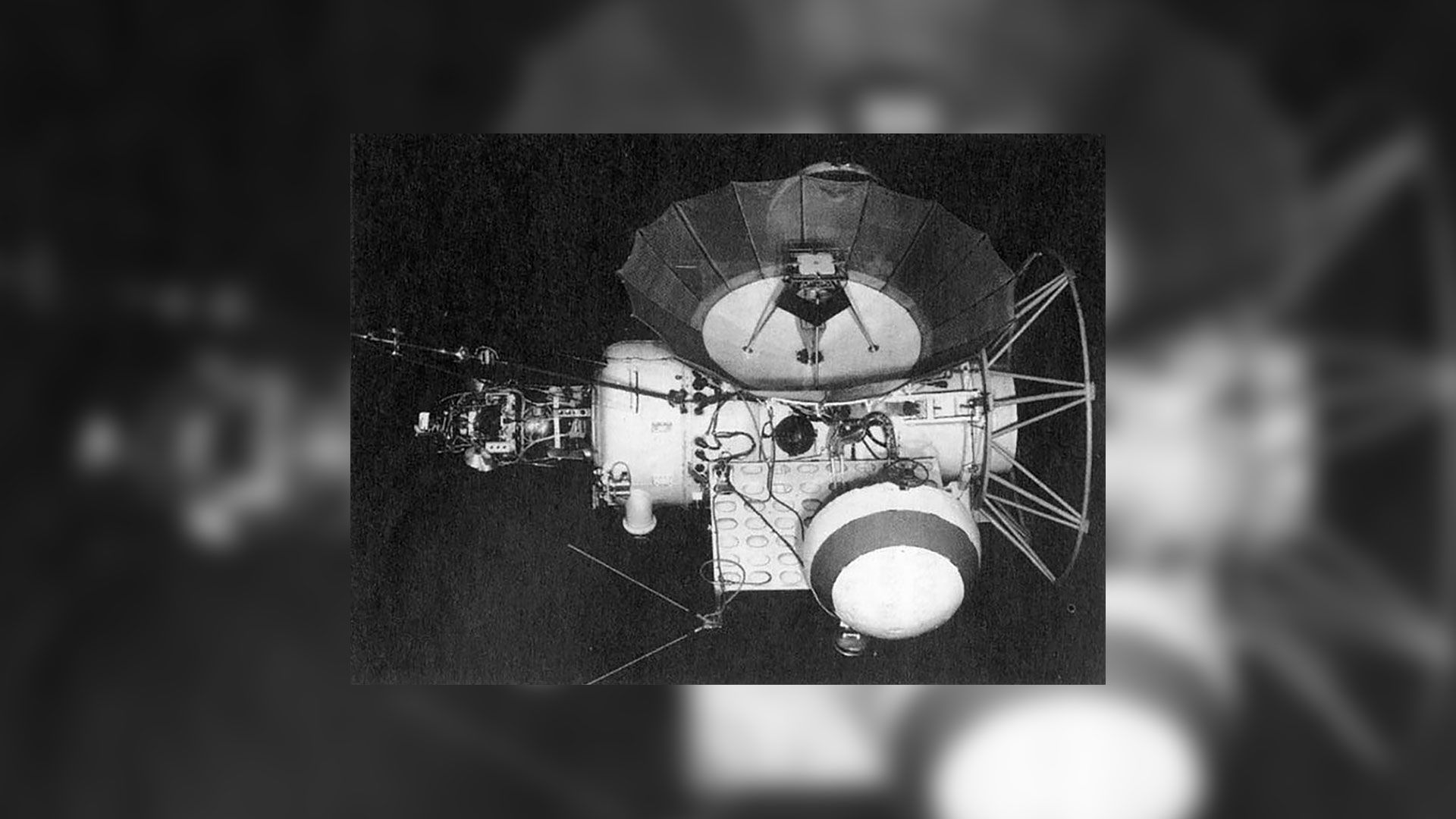
On Nov. 1, 1962, the Soviet Union launched the Mars 1 spacecraft on a mission to fly by the Red Planet. Here's why it mattered.

A surprising new study suggests that eating peanuts every day could help support brain health and memory in older adults. Researchers found that consuming about two servings of unsalted, skin-roasted peanuts daily for 16 weeks improved insulin responsiveness in brain regions important for memory, a function that often weakens with age and has been linked to Alzheimer's disease.
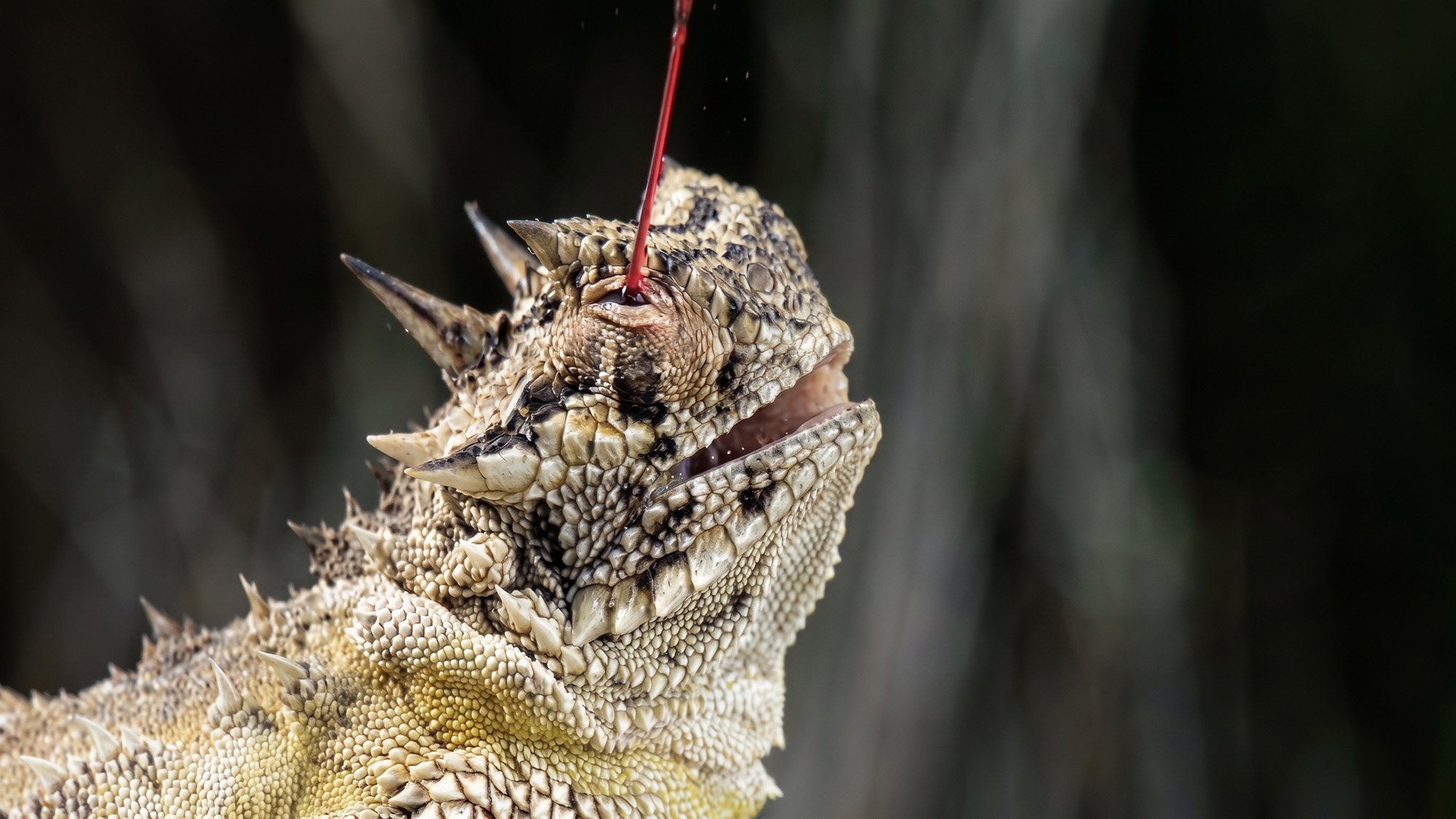
But only when they're super scared. The post Putrid blood shoots from these lizards’ eyes appeared first on Popular Science.

It's unclear at the moment exactly when and where the Swift observatory will plunge to Earth. But researchers definitely have their eyes peeled.
A UCLA study found that long-term exposure to a common pesticide was linked to more than 2.5 times the risk of Parkinson's disease. Scientists also uncovered how the chemical damages brain cells and identified a promising way to protect them.
Scientists have built a groundbreaking molecular motor that spins in either direction using electricity, inspired by a machine invented more than 2,000 years ago. Even more remarkably, its rotation can boost electrical conductivity by up to 100 times, potentially transforming the future of molecular electronics.
Crown-of-thorns starfish are notorious for devouring coral reefs, but surprising new research reveals these spiny predators may actually help reefs thrive when their populations are kept in check. Scientists studying Australia's Great Barrier Reef discovered that nearly 75% of observed starfish feeding events left behind living coral tissue, rather than destroying entire colonies. By feeding on fast-growing, dominant corals, the starfish create opportunities for slower-growing species to survive
A massive study of nearly 486,000 adults found that regularly drinking tea was associated with an 11% lower risk of heart and blood vessel diseases. The lowest risk was linked to drinking roughly six to eight cups per day, with black tea showing more consistent benefits than green tea.

From a close encounter between Mars and Jupiter to dazzling Venus and elusive Mercury, November offers plenty of planetary highlights. Here's when and where to look.
Scientists at the University of Virginia have developed a promising new strategy to fight glioblastoma, one of the deadliest and most difficult-to-treat forms of brain cancer. Their experimental approach combines focused ultrasound, tiny nanoparticles, and genetic molecules called microRNAs to attack multiple cancer-driving genes simultaneously.
Download Multikhabar App
All headlines & verified news in one place