

U.S. Treasury Sanctions Crypto Launderers Behind North Korea’s Fake Workers
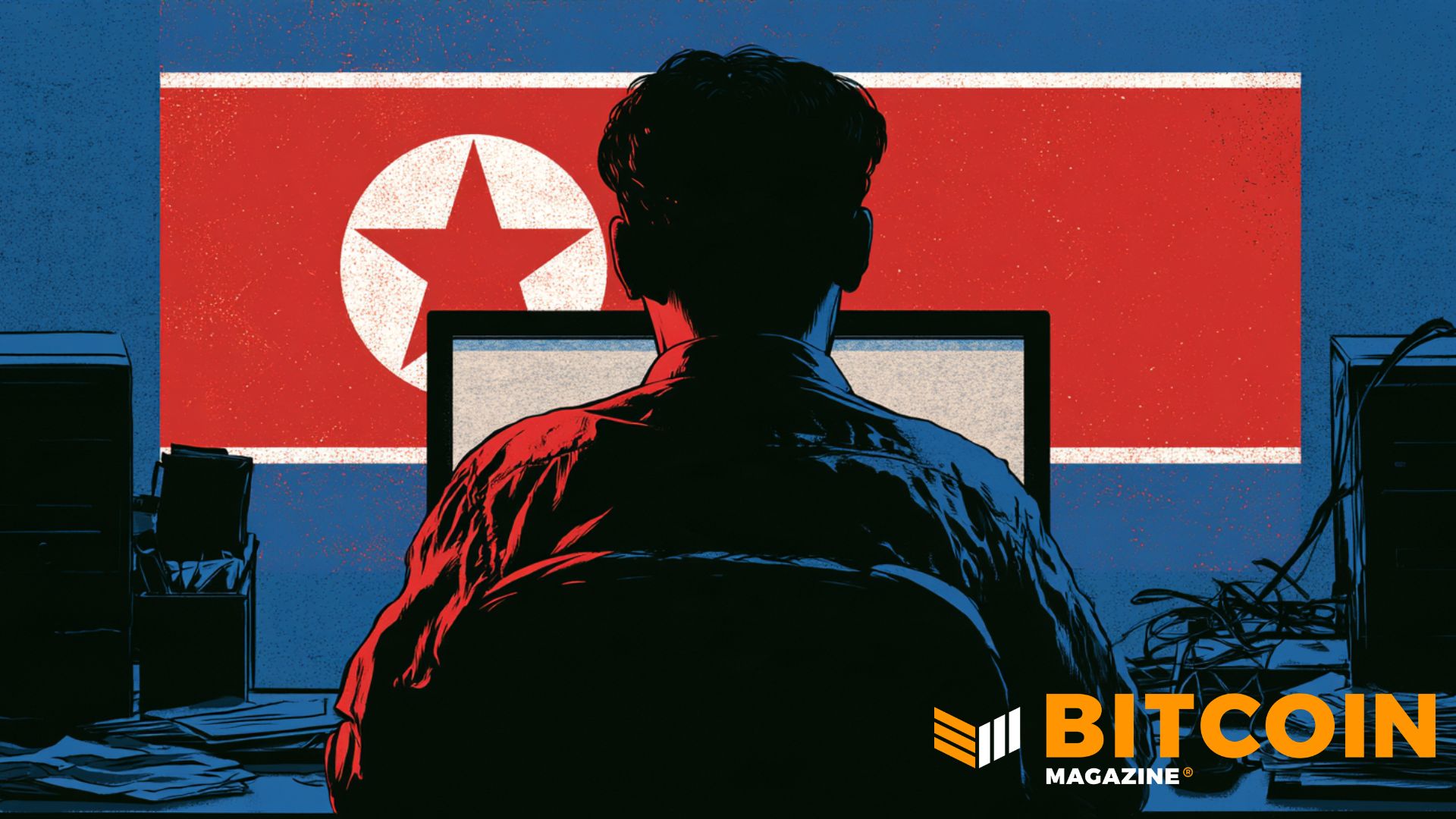
Bitcoin Magazine U.S. Treasury Sanctions Crypto Launderers Behind North Korea’s Fake Workers The U.S. Treasury sanctioned ten people and one entity, including two Russian crypto middlemen, for laundering money from North Korean fake IT worker schemes that fund its weapons programs. This post U.S. Treasury Sanctions Crypto Launderers Behind North Korea’s Fake Workers first appeared on Bitcoin Magazine and is written by Micah Zimmerman.
Key Takeaways
- Treasury Sanctions Crypto Launderers Behind North Korea’s Fake Workers.
- Bitcoin Magazine U.S.
- Treasury Sanctions Crypto Launderers Behind North Korea’s Fake Workers The U.S.
Bitcoin Magazine U.S. Treasury Sanctions Crypto Launderers Behind North Korea’s Fake Workers The U.S. Treasury Department on Tuesday sanctioned ten individuals and one company, accusing them of helping North Korea collect wages from foreign employers, many of them American, through fake identities and forged paperwork. The workers are typically placed at legitimate firms under invented personas, sometimes with AI-generated resumes, doctored photos, or deepfake video during interviews. Most of their pay goes back to the regime, which Treasury says uses the money to fund its weapons of mass destruction and ballistic missile programs. Some of these workers have also gained access to corporate networks, where they have planted malware and taken proprietary data. The money and crypto behind North Korean fraud The sanctions focused less on the workers themselves than on the people who move the money. Two Russian nationals are at the center of the action. Vitold Obertas, described by Treasury as a go-between for North Korean financial transactions, allegedly handled nearly $2 million in crypto conversions and at least $1.25 million in other currency transfers for North Korean officials since January 2025. Ilya Boykov allegedly converted the equivalent of $3.5 million in crypto for Alis, a North Korean IT worker company that the U.S. sanctioned in 2024. Two North Korean nationals, Kim Ki Hyok and Kim Hyo Dong, were also named for leading Russia-based worker delegations. Kim Ki Hyok has reportedly moved close to $500,000 in crypto for his team since 2024. Treasury also sanctioned the First Financial and Technical Development Center, a North Korean-controlled entity operating in Russia, along with six workers who have generated more than $750,000 for it since 2025. Treasury published wallet addresses on Ethereum and Tron tied to the sanctioned individuals, a signal to exchanges and other financial firms to watch for those accounts. One Ethereum address is linked to both Obertas and Boykov. The action follows a March designation of a separate North Korean IT worker network, which Treasury said had laundered roughly $800 million in crypto for the regime. Australia and the European Union have also announced related designations this month, and Treasury coordinated the move with the Multilateral Sanctions Monitoring Team. Under the sanctions, any property these individuals or entities hold in the United States, or that is controlled by U.S. persons, is blocked and must be reported to the Office of Foreign Assets Control. Transactions with them are generally prohibited unless licensed, and companies owned 50 percent or more by blocked parties are subject to the same restrictions. Treasury warned that civil penalties can apply even when a violation was unintentional. For companies that hire remote contractors, the advisories from the State, Treasury and Justice departments and the FBI offer guidance on spotting these schemes, including verifying identities, checking where payments are going, and watching for unusual access requests. This post U.S. Treasury Sanctions Crypto Launderers Behind North Korea’s Fake Workers first appeared on Bitcoin Magazine and is written by Micah Zimmerman.
Read Complete Original Article
Published originally on Bitcoin Magazine
Related News

Cryptocurrency fraudster stole £250k for luxury lifestyle
Cryptocurrency fraudster stole £250k for luxury lifestyle BBC
Crypto exchange HTX exits the UK after settling with the FCA
The former Huobi exchange has stopped accepting deposits from British customers and agreed not to target them with crypto promotions.

HYPE Price Rises 15% Following NYSE Plan to Bring Hyperliquid Perps to the US
ICE says more than 99% of its market participation is institutional today. The retail perps get their own clearing structure, which ICE says keeps its hedgers clear of retail counterparty risk.

Bitcoin options: 11 billion expire on Friday
Bitcoin options: 11 billion expire on Friday CryptoTicker.io
All Information In One Place
Real-time headlines from trusted sources. Get the app now — stay updated, inspired, and ahead with breaking news!
