

Trill seekers: can scientists use AI and tutors to help birds remember lost songs?
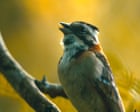
When populations fall, fledglings can struggle to learn the right notes to attract mates. But research on how birds communicate offers hope for species’ survival Listening to birdsong is one of life’s great joys, but when researchers heard a particular tune emerging from a tree in a Buenos Aires park, they were especially jubilant. This arrangement was among those chirped by the local rufous-collared sparrows in the 1960s, but had since disappeared from the area. That was until scientists create
Key Takeaways
- Trill seekers: can scientists use AI and tutors to help birds remember lost songs?.
- When populations fall, fledglings can struggle to learn the right notes to attract mates.
- This arrangement was among those chirped by the local rufous-collared sparrows in the 1960s, but had since disappeared from the area.
When populations fall, fledglings can struggle to learn the right notes to attract mates. But research on how birds communicate offers hope for species’ survivalListening to birdsong is one of life’s great joys, but when researchers heard a particular tune emerging from a tree in a Buenos Aires park, they were especially jubilant. This arrangement was among those chirped by the local rufous-collared sparrows in the 1960s, but had since disappeared from the area.That was until scientists created a computer-generated rendition, curious to find out if birds might consider it realistic enough to imitate. Less than three months later, a local avian resident began to copy parts of the song. Continue reading...
Read Complete Original Article
Published originally on Guardian Science
Related News

'I woke from surgery to find it hadn't been done'
Kelly O'Shea says she's "lost faith" in women's health after paying £20k for treatment she needed.

Inside Health
Full body scans, nutritious stockpiles and why strokes are rising in black communities.

Cut screen time in classrooms to avoid long-term health issues, government urged
A group of clinicians warns technology use in English schools is driving a rise in health problems like short-sightedness.
All Information In One Place
Real-time headlines from trusted sources. Get the app now — stay updated, inspired, and ahead with breaking news!
