The coming launch bottleneck has ramped up demand for a rocket that has yet to leave the ground.Rocket Lab announced on Monday (Nov. 9) that it recently raised the price of a Neutron launch from $55 million to $70 million — an increase of more than 25%, for a ride on a rocket that's set to debut in 2027."Launch is extremely constrained, and that is exactly the situation we predicted," Rocket Lab founder and CEO Peter Beck said on Monday during the company's third-quarter earnings call. "We saw a pent-up launch market on the horizon, and rather than provide early discounted launches, we set out to deliver a rocket into an environment with extreme demand at full price or higher."Rocket Lab is best known for Electron, a workhorse small-satellite launcher that debuted in 2017 and now has 90 orbital missions under its belt. The 59-foot-tall (18 meters) expendable rocket and can haul 660 pounds (300 kilograms) to low Earth orbit (LEO).Neutron is the company's entry into the medium-lift market. It features a reusable first stage, stands 141 feet (43 m) tall and can carry 14.3 tons (13 metric tons) of payload to LEO.Rocket Lab announced Neutron back in 2021 and first targeted a 2024 debut for the vehicle. But various problems have cropped up over the years, pushing things back. Last month, for example, Rocket Lab announced that it was delaying the first Neutron flight from late 2026 into 2027 due to a manufacturing issue (which it says is now under control). Such setbacks have not dampened demand for Neutron's services, however. During Monday's call, Beck revealed that Rocket Lab booked eight Neutron launches during the third quarter of 2026, which ran from July 1 through Sept. 30.The contracts for those eight flights are worth "a total of roughly 515 million, including multiple missions on a new escalated base price of $70 million," Beck said. Neutron's first 16 launches are now sold out, he added, and bookings from here on will be for flights in the 2030s."The demand is a function of both a tightening global launch supply and our customers' confidence that Rocket Lab is the right partner to break the world's launch bottleneck," Beck said.Artist's illustration of Neutron's first stage coming down for a landing on a ship at sea. (Image credit: Rocket Lab)That bottleneck is coming in 2028 or so, when SpaceX plans to retire its Falcon 9 rocket. For some perspective, and comparison with Neutron: SpaceX currently charges $74 million for each Falcon 9 launch. The rocket has a reusable first stage and can carry about 25 tons (22.7 metric tons) to LEO.The medium lifter has been the world's most prolific rocket for the past few years. In 2025, for example, it flew 165 times — roughly the same number of orbital missions as all other launchers in the world combined. And all 165 of those flights were successful.But SpaceX is phasing out the Falcon 9 — and its heavy-lift cousin, the Falcon Heavy — nonetheless, shifting all launch work over to its fully reusable Starship megarocket, which can haul more than 100 tons to LEO.There's a real worry among folks in the space community that this massive payload capacity won't be available to them for a while. SpaceX has made it pretty clear that early Starship operations will be geared toward internal priorities — specifically, the buildout of SpaceX's Starlink V3 broadband network and its Starmind AI data-center constellation.These will be very big jobs, even for the most powerful rocket ever built. For example, the Starlink V3 megaconstellation will consist of about 100,000 satellites, according to SpaceX founder and CEO Elon Musk. Starship can carry about 60 of these spacecraft to LEO per launch, so just building out the constellation will require about 1,700 liftoffs. The numbers for Starmind will be even more mind-boggling, for SpaceX wants that constellation to eventually harbor a million satellites.The coming launch bottleneck should increase demand for Electron as well as Neutron, Beck said during Monday's call. After all, many small-satellite operators have launched with SpaceX over the years, booking spots on Falcon 9 "rideshare" flights. And those opportunities are now drying up."The next logical alternative is of course an Electron, so we see tremendous traction there," Beck said.
'There's tremendous demand': Rocket Lab raises price of Neutron launch from $55 million to $70 million
SP
Space.comBy Mike Wall 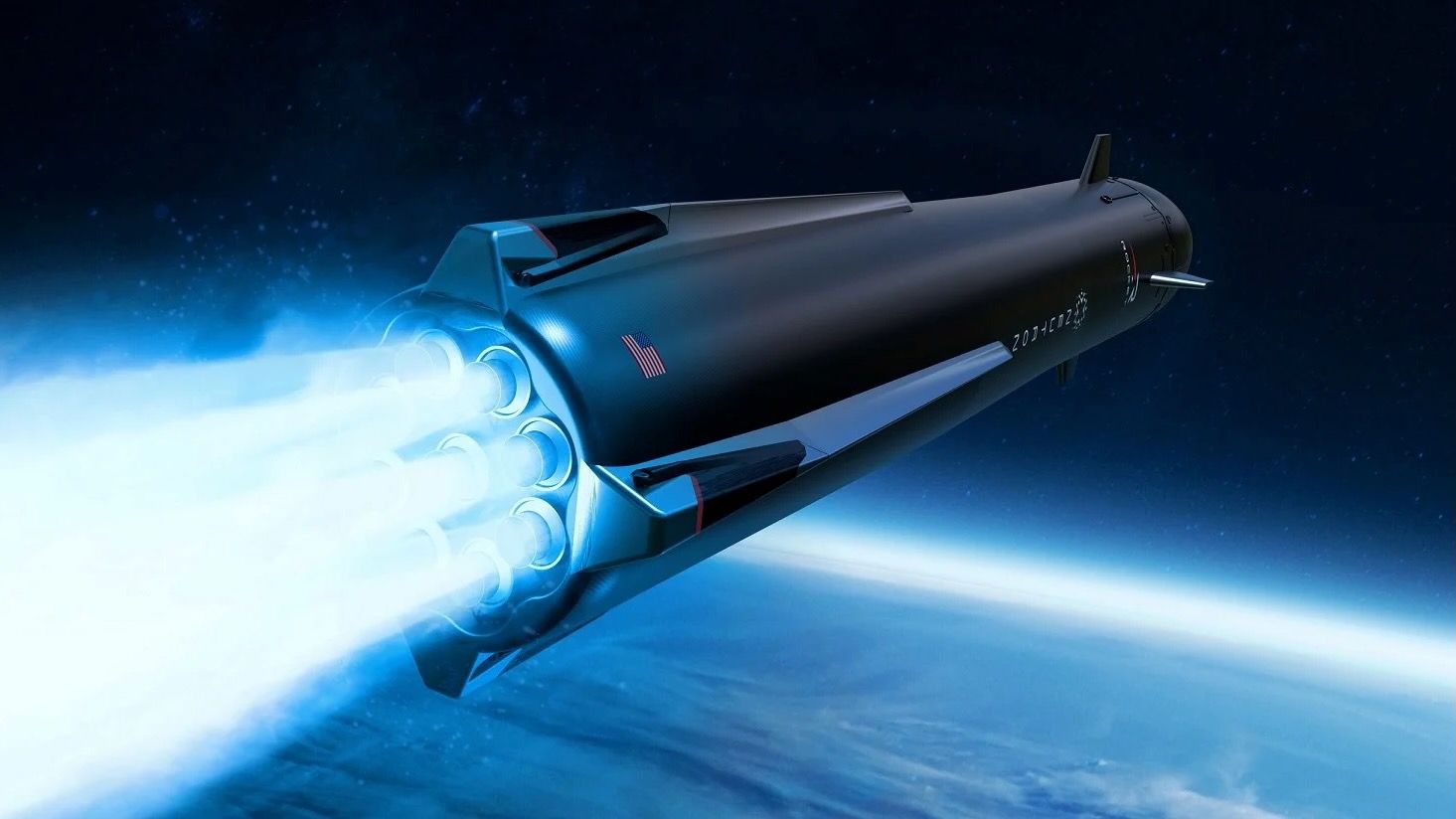
EXECUTIVE SUMMARY
Rocket Lab has raised the launch cost of its next-gen Neutron rocket by more than 25%, an increase that reflects high demand amid a looming liftoff bottleneck.
Key Takeaways
- 'There's tremendous demand': Rocket Lab raises price of Neutron launch from $55 million to $70 million.
- Rocket Lab has raised the launch cost of its next-gen Neutron rocket by more than 25%, an increase that reflects high demand amid a looming liftoff bottleneck.
- The coming launch bottleneck has ramped up demand for a rocket that has yet to leave the ground.Rocket Lab announced on Monday (Nov.
Read Complete Original Article
Published originally on Space.com