

The Guardian view on Oxford Street’s pedestrianisation: cities should be designed around people, not cars | Editorial
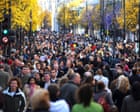
The transformation of Europe’s busiest shopping street should be a case study in making cities greener, less congested and more inviting places to live Sadiq Khan has been trying to pedestrianise Oxford Street since he first became the mayor of London in 2016. On Monday, after numerous setbacks, his plan will finally come to fruition. The busiest stretch of the nation’s famous shopping street will be closed to traffic in a scheme designed to improve the area and make it more attractive to pedest
Key Takeaways
- The Guardian view on Oxford Street’s pedestrianisation: cities should be designed around people, not cars | Editorial.
- On Monday, after numerous setbacks, his plan will finally come to fruition.
- On Monday, after numerous setbacks, his plan will finally come to fruition.
The transformation of Europe’s busiest shopping street should be a case study in making cities greener, less congested and more inviting places to liveSadiq Khan has been trying to pedestrianise Oxford Street since he first became the mayor of London in 2016. On Monday, after numerous setbacks, his plan will finally come to fruition. The busiest stretch of the nation’s famous shopping street will be closed to traffic in a scheme designed to improve the area and make it more attractive to pedestrians. It should be an emblematic case study in making cities greener, less congested, more inviting places to live and visit.The Greater London Authority hopes it will rejuvenate a high street fallen on hard times. Since the pandemic, the number of vacant shops on Oxford Street has more than quadrupled. It estimates that the scheme will generate £82m of value a year in the area by increasing footfall and encouraging visitors to linger. This impact remains to be seen, but research from other cities suggests that shops experience higher sales once an area is pedestrianised. Given the prime minister’s focus on rejuvenating British high streets, whose dilapidation is correlated with support for Reform UK, he should be watching with interest. Continue reading...
Read Complete Original Article
Published originally on Guardian Business
Related News

Oppenheimer sees web, commerce software Q3 backdrop improving, AI worries linger
Oppenheimer sees web, commerce software Q3 backdrop improving, AI worries linger....

Tech firms should pay the creators whose work they use | Letter
It could raise up to £300m a year, providing UK creators with additional income, write Barbara Hayes, Tayyiba Nasser, Christian Zimmermann and Paul Seheult Anthropic’s proposal (AI firm Anthropic to commit 5% of shares to fund for ‘public good’, 19 October) raises an important question: who should benefit from technological progress? Before pledging money for the public good, AI companies such as Anthropic should first pay the creators whose work they use. Device manufacturers have a separate re

We stopped helping our neighbors with free home repairs and our friendship cooled. Who’s to blame?
“Last summer, they complained about needing to replace their roof. A few months later, they bought a new SUV.”
All Information In One Place
Real-time headlines from trusted sources. Get the app now — stay updated, inspired, and ahead with breaking news!
