
Encapsulate Inc. This Nov. 19, 2026, image shows gastric microtumors grown within an Encapsulates biochip. The Encapsulate-1 investigation studies patient-derived tumor samples aboard the International Space Station to better understand how cancer cells move and interact in microgravity. The results could help researchers develop further testing to predict a patient’s risk of metastasis and support more personalized cancer treatments. Orbiting more than 200 miles (320 km) above Earth, the space station is a powerhouse of cutting-edge science that is unlocking discoveries not possible on Earth. Image credit: Encapsulate Inc.
Studying Cancer Cells in Microgravity
NA
NASA NewsBy HQ Web Team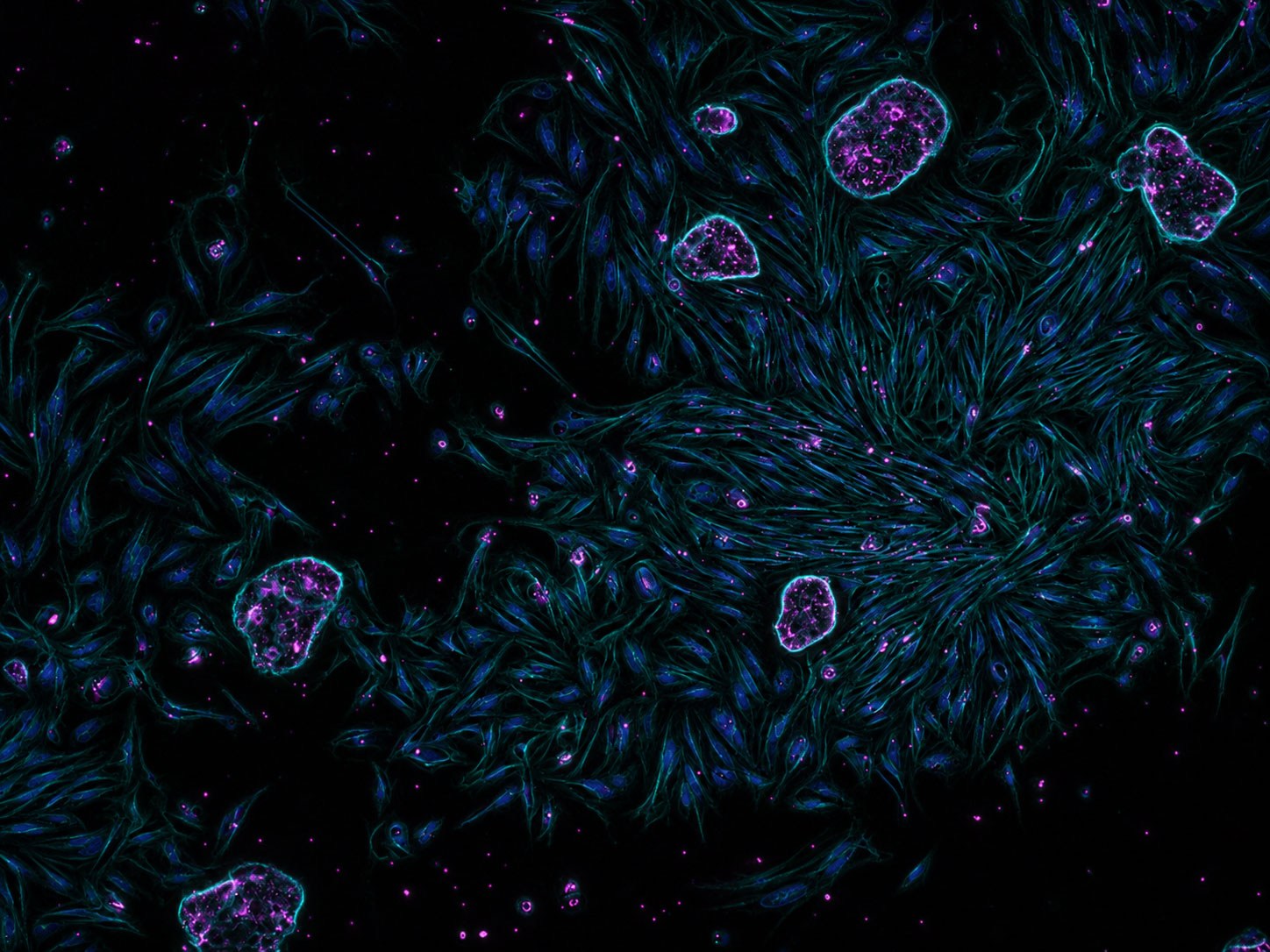
EXECUTIVE SUMMARY
This Nov. 19, 2026, image shows gastric microtumors grown within an Encapsulates biochip. The Encapsulate-1 investigation studies patient-derived tumor samples aboard the International Space Station to better understand how cancer cells move and interact in microgravity. The results could help researchers develop further testing to predict a patient’s risk of metastasis and support more personalized […]
Key Takeaways
- Studying Cancer Cells in Microgravity.
- 19, 2026, image shows gastric microtumors grown within an Encapsulates biochip.
- The Encapsulate-1 investigation studies patient-derived tumor samples aboard the International Space Station to better understand how cancer cells move and interact in microgravity.
Read Complete Original Article
Published originally on NASA News