

RS-25 Engine Tests at NASA Stennis

Teams at NASA’s Stennis Space Center near Bay St. Louis, Mississippi tested RS-25 engine No. 10001 on Oct. 21, 2026. The hot fire test lasted for almost eight-and-a-half minutes (500 seconds), the same amount of time RS-25 engines fire during launch of NASA’s SLS (Space Launch System) rocket, with a 111% power level. For each […]
Key Takeaways
- RS-25 Engine Tests at NASA Stennis.
- Teams at NASA’s Stennis Space Center near Bay St.
- Louis, Mississippi tested RS-25 engine No.
NASA/Danny Nowlin Teams at NASA’s Stennis Space Center near Bay St. Louis, Mississippi tested RS-25 engine No. 10001 on Oct. 21, 2026. The hot fire test lasted for almost eight-and-a-half minutes (500 seconds), the same amount of time RS-25 engines fire during launch of NASA’s SLS (Space Launch System) rocket, with a 111% power level. For each Artemis mission, four RS-25 engines produce up to 2 million pounds of combined thrust to help launch the SLS rocket. Prior to use, all RS-25 engines are proven flightworthy at NASA Stennis. While this developmental engine will not be used in flight, the hot fire test provides NASA and NASA’s prime engine contractor L3Harris Technologies with the capability to capture critical data to improve engine performance and reliability. Image credit: NASA/Danny Nowlin
Read Complete Original Article
Published originally on NASA News
Related News
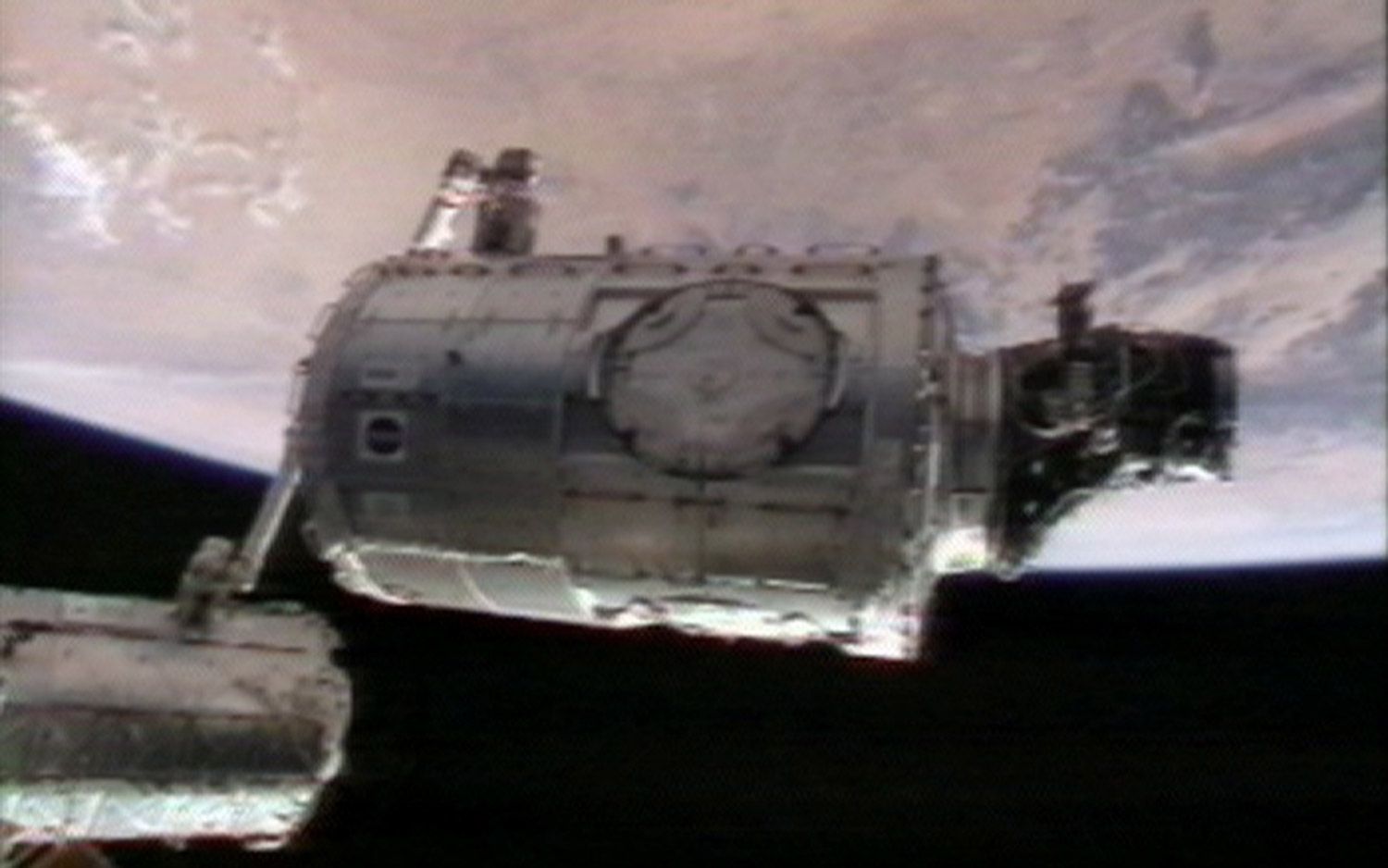
On this day in space! Oct. 23, 2007: NASA launches Harmony module to ISS on STS-120 space shuttle mission
On October 23, 2007, the space shuttle Discovery launched the Harmony module to the International Space Station. Here's why it mattered.
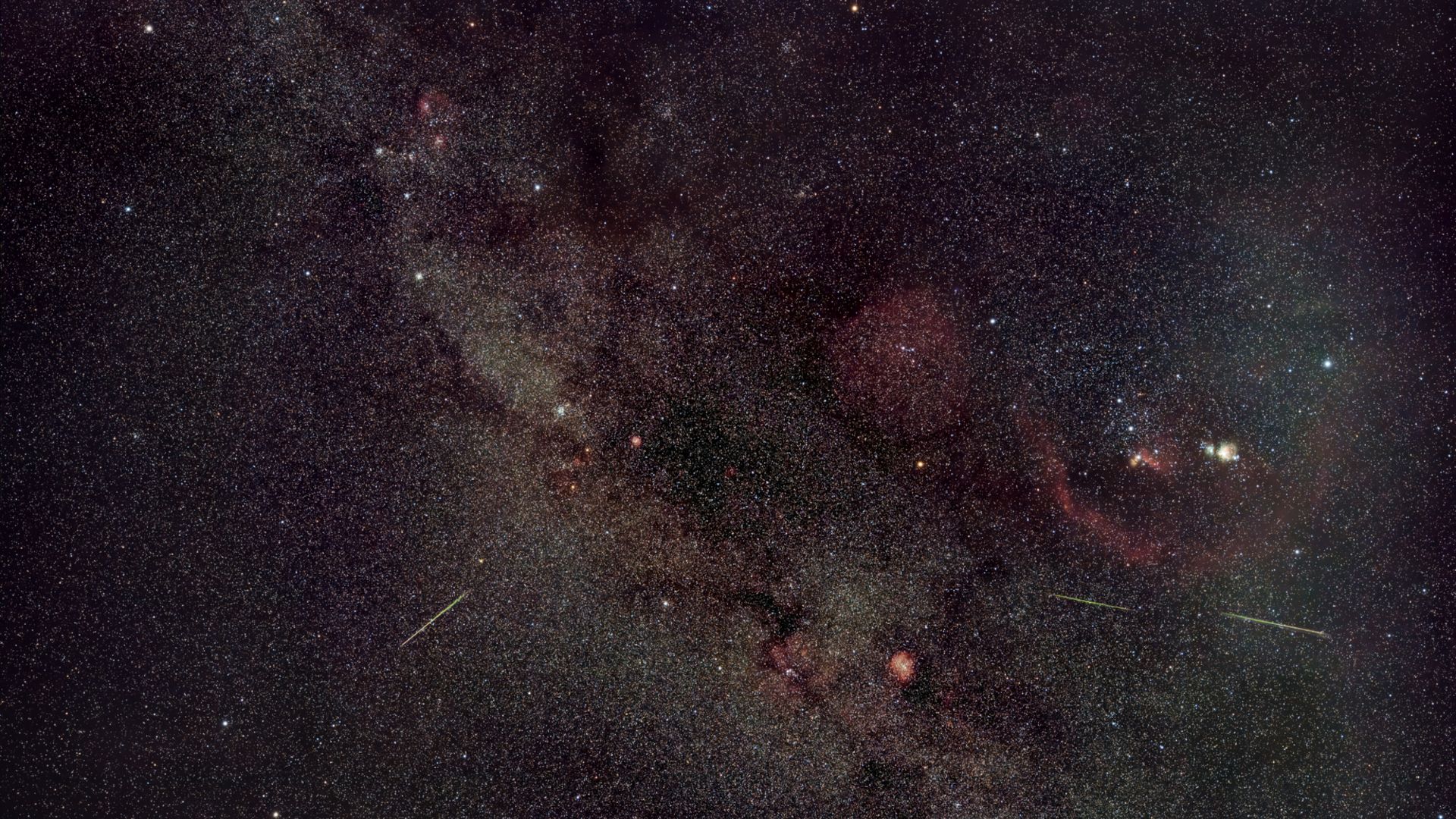
Halley's Comet dazzles from afar in spectacular astrophoto of Orionid meteor shower
This incredible composite image of Orionid meteors was captured as Earth passed through the debris trail shed by Halley's Comet.
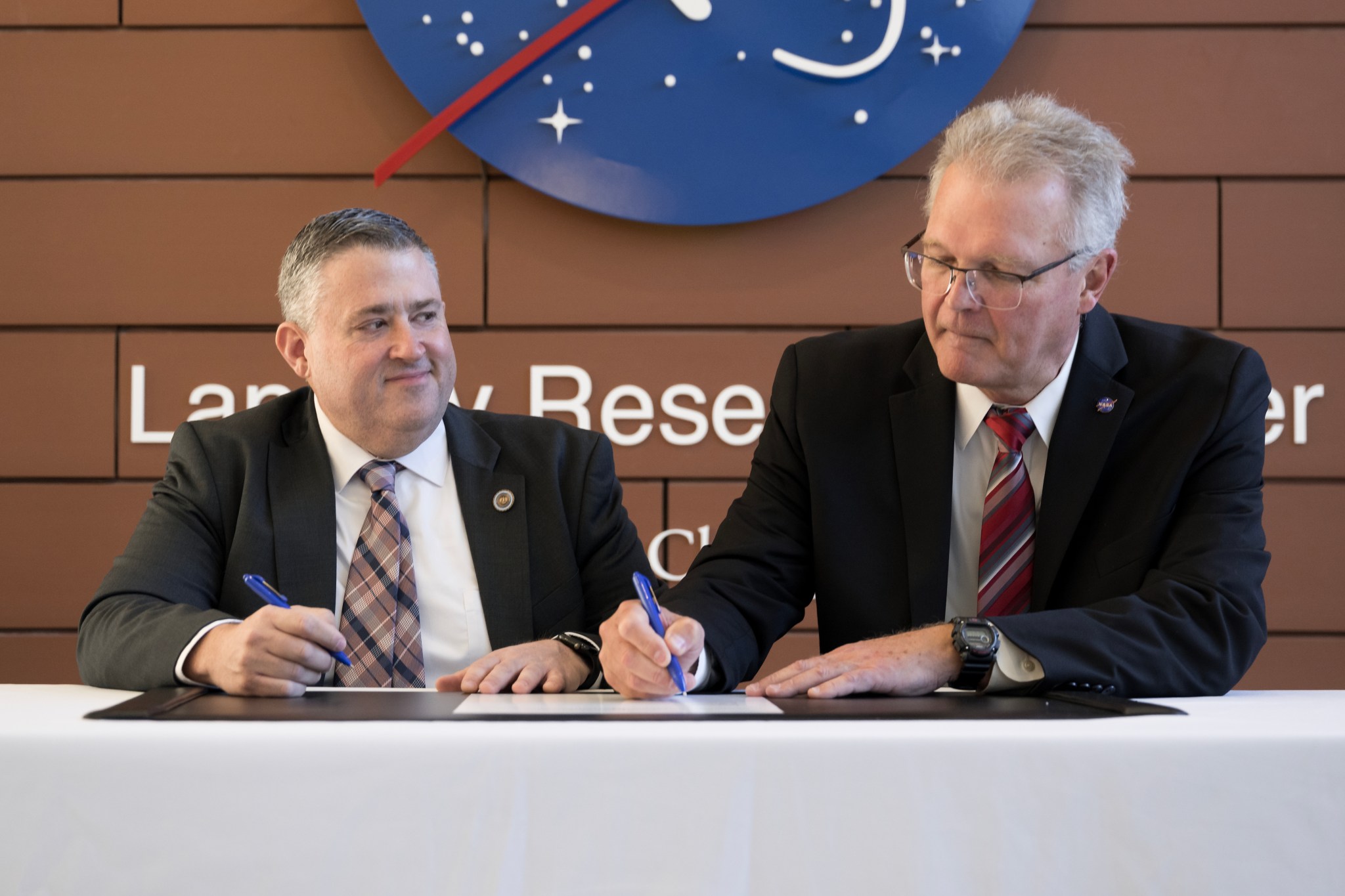
NASA, Virginia Launch Power Partnership for Energy Security
NASA is helping to foster long-term energy security in Virginia. NASA’s Langley Research Center in Hampton, Virginia, is partnering with the Virginia Department of Energy to support informed decisions for effective energy generation, delivery and use by providing solar, meteorological, and future weather risk datasets for energy system modeling and planning purposes. Under a new […]
All Information In One Place
Real-time headlines from trusted sources. Get the app now — stay updated, inspired, and ahead with breaking news!
