
Robinhood Chain Now Accounts For More Than Half Of Uniswap Revenue

TL;DR: Uniswap generated approximately $14.81 million in protocol revenue during September, with Robinhood Chain contributing about 53% of the total. Tokenized-stock trading is changing where the exchange earns its fees. Uniswap’s strongest reported revenue month has come from an unexpected direction: a relatively new network associated with a mainstream brokerage. September protocol revenue reached approximately $14.81 million, according to figures discussed by Token Terminal and reported on Oc
Key Takeaways
- Robinhood Chain Now Accounts For More Than Half Of Uniswap Revenue.
- TL;DR: Uniswap generated approximately $14.81 million in protocol revenue during September, with Robinhood Chain contributing about 53% of the total.
- Tokenized-stock trading is changing where the exchange earns its fees.
TL;DR: Uniswap generated approximately $14.81 million in protocol revenue during September, with Robinhood Chain contributing about 53% of the total. Tokenized-stock trading is changing where the exchange earns its fees. Uniswap’s strongest reported revenue month has come from an unexpected direction: a relatively new network associated with a mainstream brokerage. September protocol revenue reached approximately $14.81 million, according to figures discussed by Token Terminal and reported on October 17. Robinhood Chain, which launched in July, accounted for roughly 53% of that amount. That works out to nearly $7.9 million from one network alone. For a decentralized exchange better known for swapping crypto tokens, the source of the growth matters as much as the total. Tokenized stocks and other on-chain representations of traditional assets have created an additional pool of transactions from which trading fees can be earned. That does not mean traditional finance has simply moved onto Uniswap. Products differ in their legal rights, issuer structures and geographic restrictions, and some stock-linked tokens are not equivalent to holding the underlying shares directly. But revenue generated from these instruments is real economic activity for the trading protocol. It also creates a concentration question. If more than half of one month’s revenue comes from a single network, changes in that network’s trading incentives, competition or activity could move Uniswap’s results sharply in either direction. The September figures illustrate an important change in the business of decentralized exchanges. Crypto-to-crypto speculation is no longer the only activity capable of generating material protocol fees. Whether the new revenue mix lasts will depend on recurring trading demand, not one standout month.
Read Complete Original Article
Published originally on NewsBTC
Related News
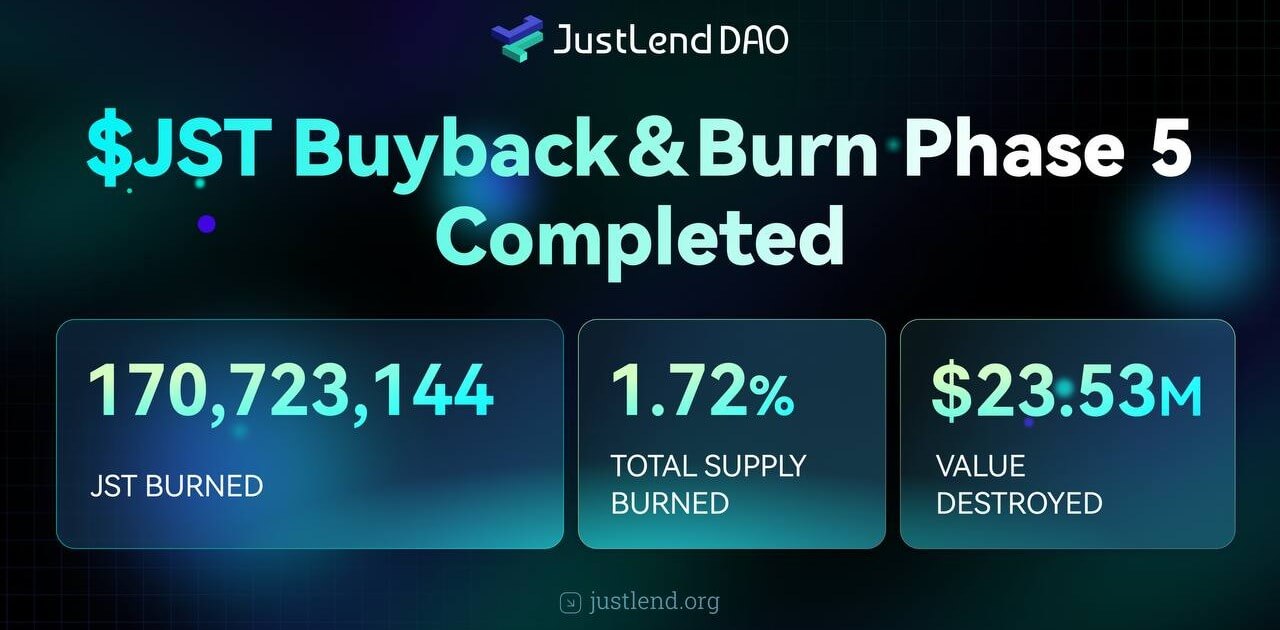
JUST Completes 5th JST Buyback & Burn: Over 170M Tokens (~$23.53M) Burned Ahead of Major Deflationary Upgrade
On October 17, JUST, the leading DeFi infrastructure in the TRON ecosystem, announced the completion of its fifth buyback and burn of its native token JST as scheduled. Over 170M JST were burned in this round (approx. 1.72% of total supply), backed by nearly $23.53M in capital deployed—all funded directly by JustLend DAO's net operating… Read the full story on CryptoSlate Understand the crypto stories that matter and what to watch next. Get The Catalyst in your inbox

US crypto ETFs see $610.7M outflow in a week, mostly from BlackRock's Ethereum fund. - Pluang
US crypto ETFs see $610.7M outflow in a week, mostly from BlackRock's Ethereum fund. Pluang

Spot Ripple (XRP) ETFs Reach the End of an Era, Solana (SOL) Funds Can’t Catch a Break
The SOL ETFs have seen a single green day since October started.
Ethereum and Solana ETFs Keep Losing Money. Which Coin Is Holding Up Better? - Yahoo Finance
Ethereum and Solana ETFs Keep Losing Money. Which Coin Is Holding Up Better? Yahoo Finance
All Information In One Place
Real-time headlines from trusted sources. Get the app now — stay updated, inspired, and ahead with breaking news!
