

'It really does change you': SpaceX Crew-12 commander wishes we could all see our fragile Earth from space
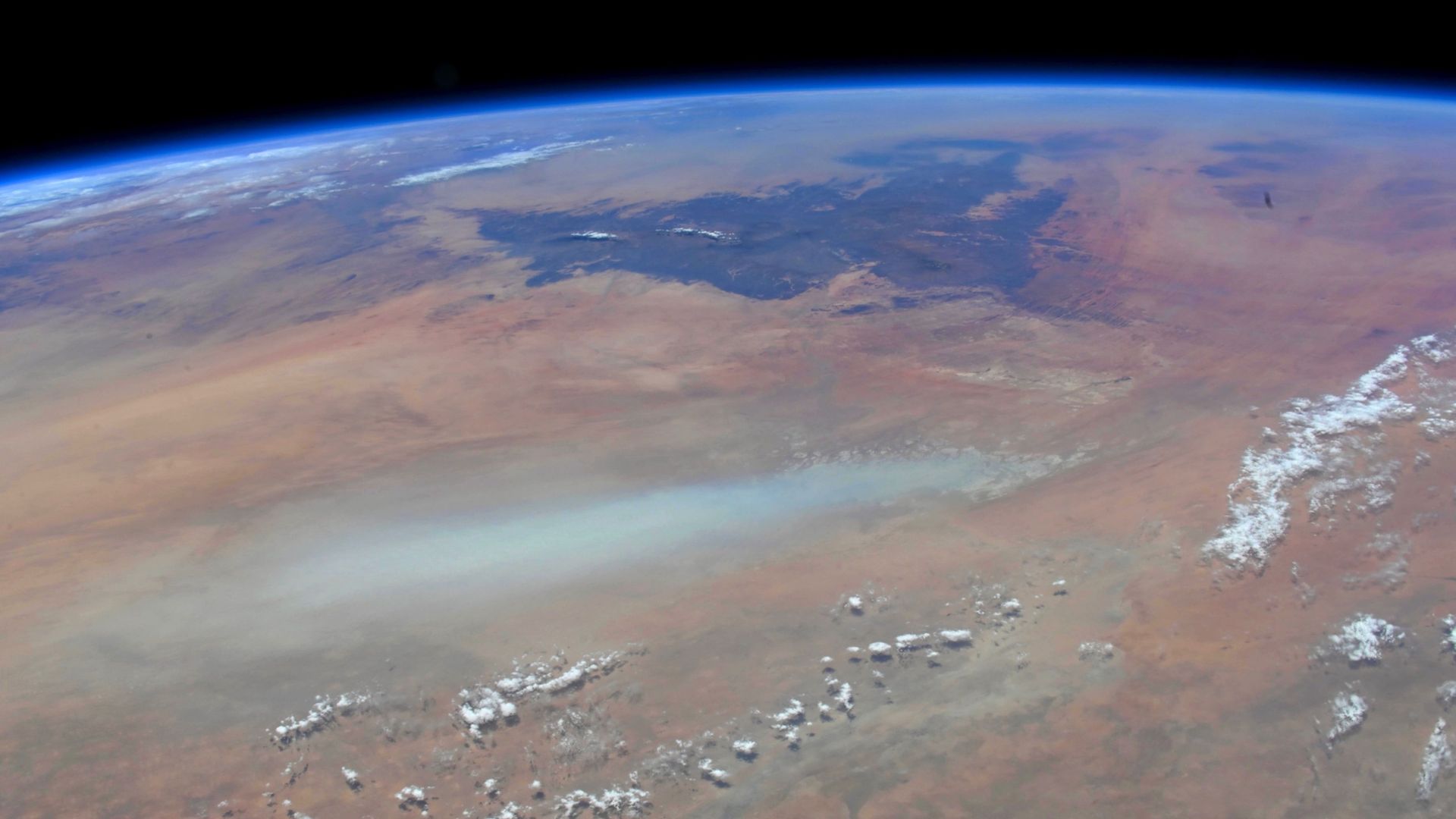
The astronauts of SpaceX's Crew-12 mission wish that we could all see Earth as they just did —as a beautiful but fragile outpost of life in a vast void.
Key Takeaways
- 'It really does change you': SpaceX Crew-12 commander wishes we could all see our fragile Earth from space.
- The astronauts of SpaceX's Crew-12 mission wish that we could all see Earth as they just did —as a beautiful but fragile outpost of life in a vast void.
The astronauts of SpaceX's Crew-12 mission to the International Space Station wish that we could all see Earth as they just did.An orbital view reveals the immense beauty of our blue planet, the only world we know of that hosts life. But it also highlights how fragile that life is, tethered to our lonely Earth in the vast void of space, according to Crew-12 commander Jessica Meir of NASA."You see this very thin, tenuous band of an atmosphere, and you know that that is all that is supporting life, and we really need to do our best to protect it," Meir said on Thursday afternoon (Oct. 15), during a press conference that discussed the recently concluded Crew-12 mission."I wish that I could bring all the eyes of all the humans to look back at the Earth in this extraordinary way that we are so privileged to have," she added. "I think it really does change you philosophically and [in] how you see each other, how you see yourself, how you see the human race when you look on it down from the vantage point that we have from above — you know, [it] gives everybody this understanding that we need to protect our planet, that it's not only so beautiful, but it's so precious."From the International Space Station (ISS), Meir said, it's clear that everything on Earth is connected — and that the borders we've laid down between states and nations are artificial constructs."You realize that we really are one human when you are in space," she said. "I wish I could share that perspective with all the eyes of all the humans. I think it would be a very healthy thing for everyone to understand. Crew-12 mission specialist Andrey Fedyaev, of the Russian space agency Roscosmos, voiced similar sentiments, though he would turn an ISS visitor's eyes inward, to focus on the crew."I always say that the life of crewmembers on board the space station is the best example of how people need to live on Earth," Fedyaev said during Thursday's briefing (in Russian; in interpreter translated his words into English in real time).""We don't have borders. We are all friendly. We're just one crew, and the safety of the crew, the safety of the station, depends on the actions of the entire crew," he added. "So, if humankind does arrive at the same conclusion — that our Earth, our planet, is one and the same space vessel that flies through space — we need to take care of it and not to destroy it. So, that's what I would like to show to everyone on Earth."Meir and Fedyaev are far from the only ones to have their perpsectives shifted by a space mission. Pretty much every astronaut experiences this phenomenon, which is known as the overview effect, a term coined in 1987 by space philosopher Frank White.Crew-12 consisted of Meir, Fedyaev, NASA astronaut Jack Hathaway (the mission's pilot) and the European Space Agency's Sophie Adenot (mission specialist). It was the second spaceflight for Meir and Fedyaev and the first for Hathaway and Adenot.The quartet launched toward the ISS on Feb. 13 atop a SpaceX Falcon 9 rocket. Their Crew Dragon capsule, named Freedom, arrived at the orbiting lab a day later. Crew-12 spent nearly eight months aboard the ISS, finally returning to Earth on Oct. 8. They conducted a wide range of scientific experiments and maintenance work during that time and set a few records as well. For example, Adenot became the first French woman ever to perform a spacewalk, and she broke the mark for longest continuous spaceflight by a European at 237 days. The previous record, 201 days, was set by Luca Parmitano in 2019-2020.
Read Complete Original Article
Published originally on Space.com
Related News

NASA Names Stephen Cash Marshall Space Flight Center Director
NASA Administrator Jared Isaacman has named Stephen Cash director of the agency’s Marshall Space Flight Center in Huntsville, Alabama, effective Monday, Oct. 19. Cash, a veteran NASA engineer and aerospace executive, returns to lead the center where he began his career more than four decades ago. “Marshall contributions to NASA’s missions are historic and it’s […]
When not to watch a meteor shower — why I'm not staying up for the Orionids
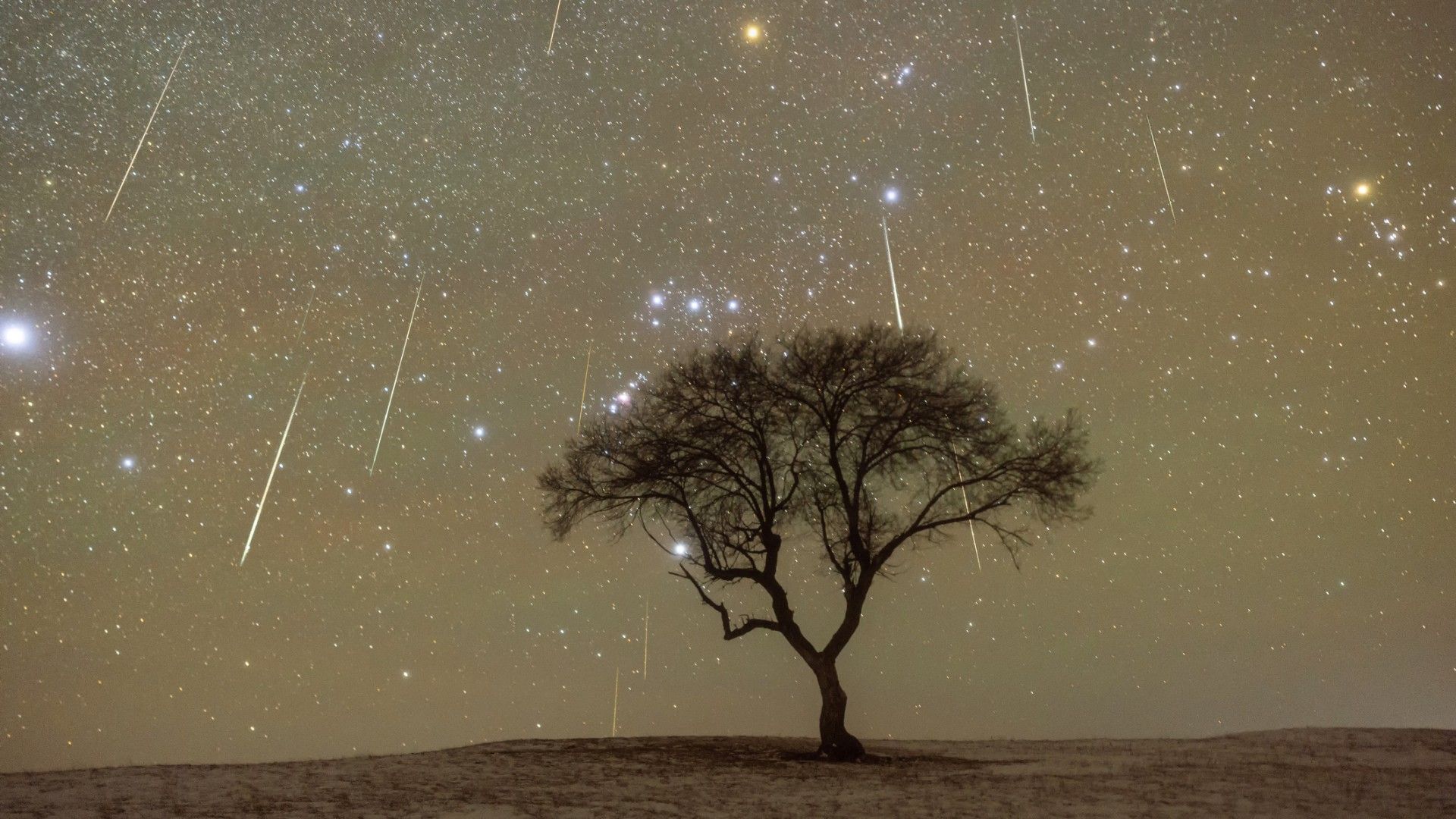
The Orionid meteor shower peaks next week, but a bright moon makes much of the night less than ideal. Sometimes the sensible observing decision is knowing when to stay in bed — and when to get up early.
Scientists find 'gemstones' in atmosphere of bizarre, scorching-hot 'marshmallow' exoplanet
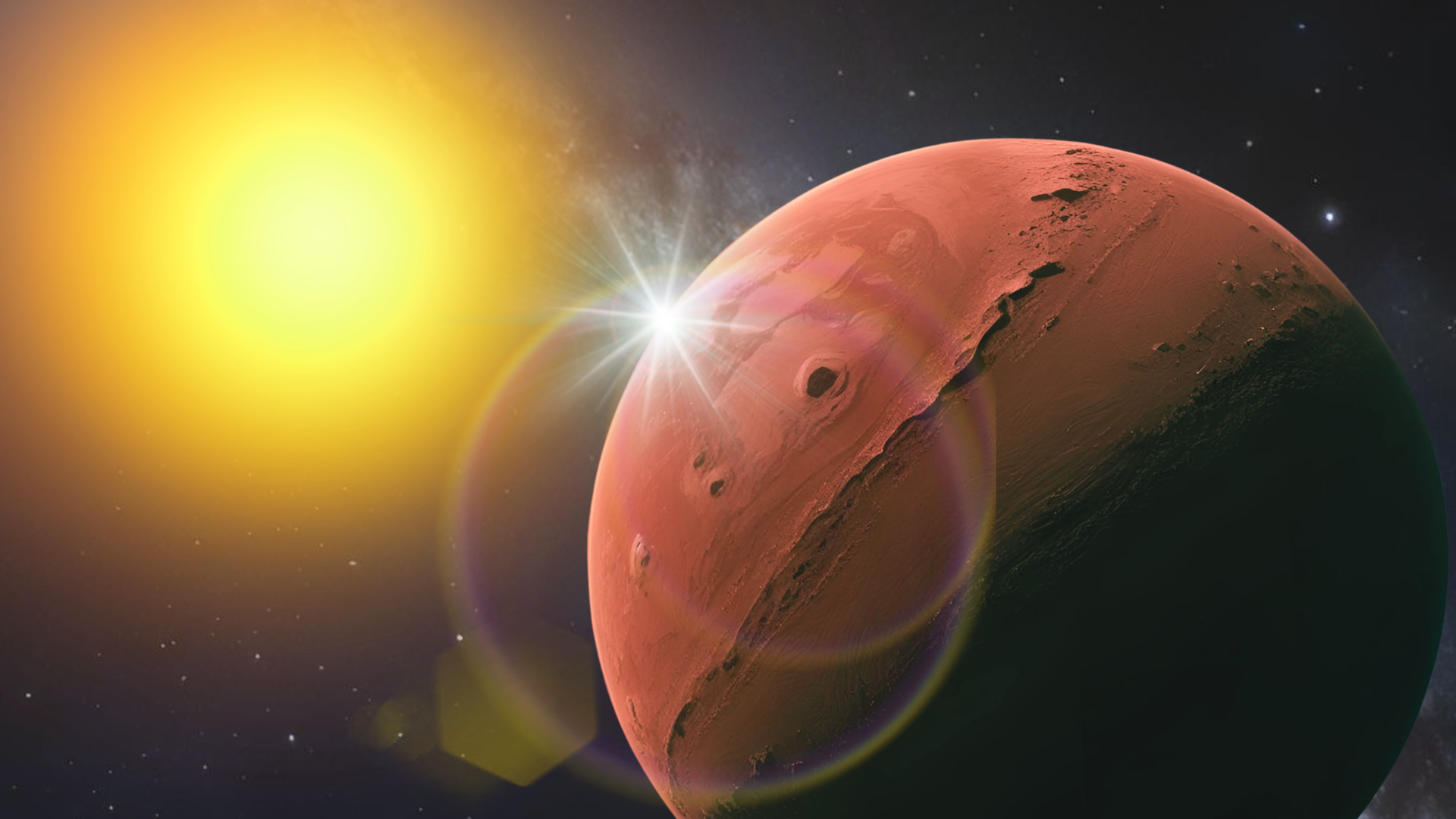
Using data from the James Webb Space Telescope, astronomers have unravelled some of the secrets of a bizarre, blisteringly hot exoplanet that has the consistency of marshmallow.
All Information In One Place
Real-time headlines from trusted sources. Get the app now — stay updated, inspired, and ahead with breaking news!
