NASA’s Mars rover Curiosity acquired this close-up image using its Mars Hand Lens Imager, showing the abundance of disc-shaped potential crystal forms on our next drill target, dubbed "Nazca." (Image credit: NASA/JPL-Caltech/MSSS)NASA's Curiosity Mars rover is sizing up its next dig site on the Red Planet.The Curiosity team will characterize the surface composition of the Mars site, informally named "Nazca," as thoroughly as possible before drilling into it.What is it?Curiosity snapped the close-up image on Oct. 18, 2026, using its Mars Hand Lens Imager (MAHLI). The image shows multiple roughly disk-shaped potential crystal formations at the rover's next drill target. MAHLI is located on the turret at the end of the rover's robotic arm. It uses an onboard focusing process to make a composite of images of the same target acquired at different positions to focus on multiple features in a single image.Why is it incredible?Scientists theorize that the "discs and needles" texture takes its characteristic shape as crystals, or "crystal forms," grow. The relatively large sizes of the crystal forms at "Nazca" may provide clues about the temperatures at which they grew, as well as information about the abundance of salts and fluids in the area at the time. Complicating this picture, however, is the fact that mineral crystals can be replaced by other minerals after their original crystallization. The new minerals are known as "pseudomorphs," because they have the same shape as the original minerals but not the same composition or molecular structure.The Curiosity team will characterize the surface composition of Nazca — which shares its name with an ancient South American civilization that's famous for the large designs it etched into the rock and dirt — before drilling begins. The NASA researchers will then be able to compare the deeper composition to the surface-level composition.
Curiosity Mars rover sizes up new 'Nazca' dig site | Space photo of the day for Nov. 10, 2026
SP
Space.comBy Robert Lea 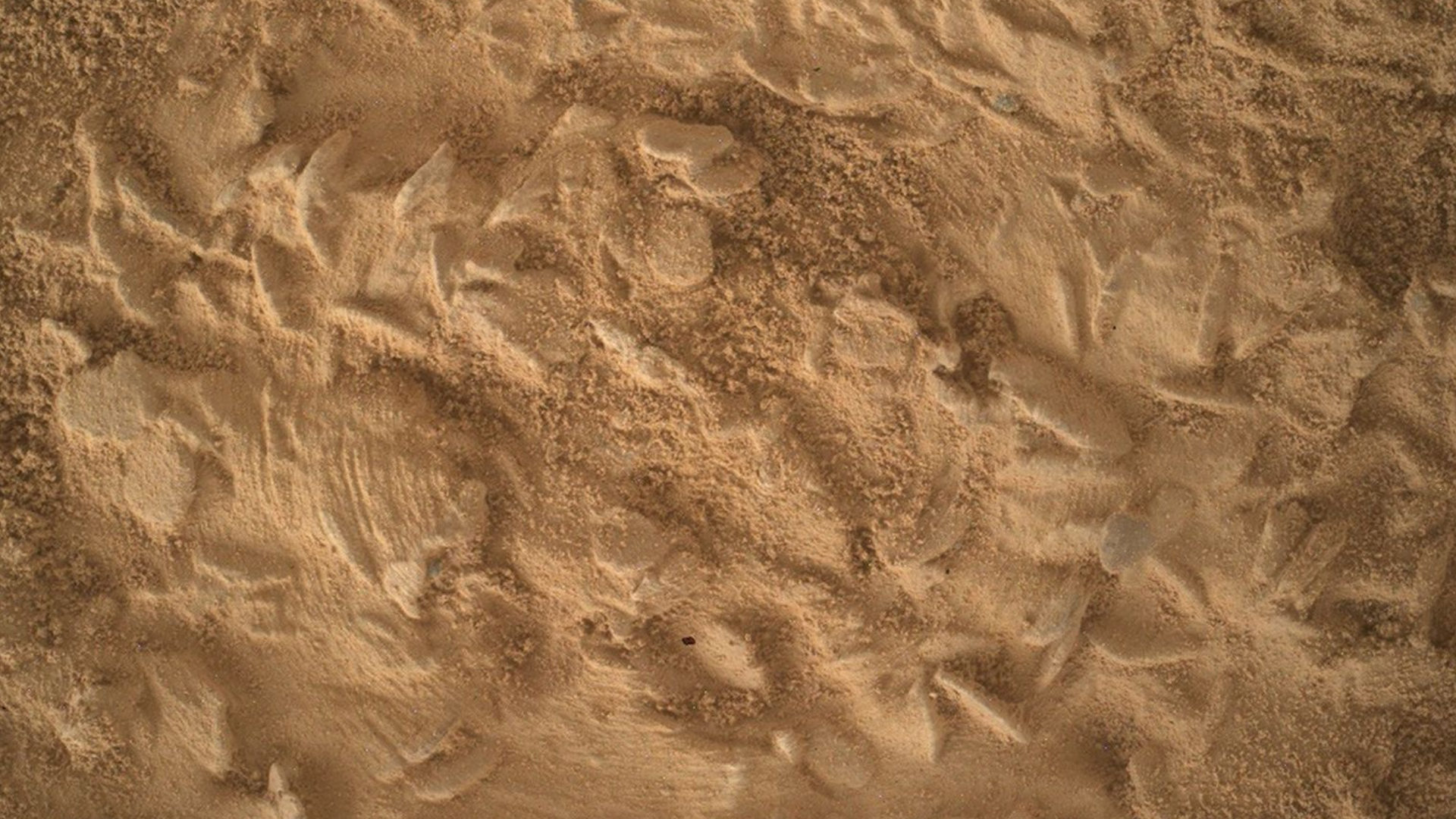
EXECUTIVE SUMMARY
NASA's Curiosity Mars rover is sizing up its next dig site on the Red Planet. The Curiosity team will characterize the surface composition of "Nazca" as thoroughly as possible before drilling.
Key Takeaways
- Curiosity Mars rover sizes up new 'Nazca' dig site | Space photo of the day for Nov.
- NASA's Curiosity Mars rover is sizing up its next dig site on the Red Planet.
- The Curiosity team will characterize the surface composition of "Nazca" as thoroughly as possible before drilling.
Read Complete Original Article
Published originally on Space.com