A Pennsylvania resident recently arrived home to find what looked like an unassuming black trash bag in their yard. But the bag moved and lifted its head. Turns out, it was not a bag, but a bald eagle (Haliaeetus leucocephalus). And something was very wrong with her. A state Game Warden brought the eagle to Raven Ridge Wildlife Center in southern Pennsylvania to be checked out. The bird couldn’t stand and her legs were limp, which is a typical symptom of spinal trauma. Nonetheless, the team also tested the eagle for lead poisoning, and found that she indeed had lead in her system. Even though the eagle wasn’t showing signs of such poisoning, they weren’t surprised by these results. From afar, a homeowner initially believed that an injured bald eagle was a trash bag. Image: Raven Ridge Wildlife Center. In a 2022 study published in the journal Science, researchers investigated lead exposure in 1,210 bald and golden eagles (Aquila chrysaetos) in North America and found chronic lead poisoning in 46 to 47 percent of both eagles and acute lead poisoning in 27 to 33 percent of bald eagles. Lead exposure in eagles and other avian scavengers mostly occurs when they consume the remains of animals shot with lead ammunition and left behind by hunters. “Lead poisoning is so common that even eagles brought in for other injuries are now routinely tested for it, and almost all show some level of lead in their system,” Tracie Young, Raven Ridge Wildlife Center director, tells Popular Science. Even small quantities of lead can be extremely toxic. Lead poisoning can cause brain swelling, trouble breathing, weak muscles, dehydration, starvation, kidney and liver problems, or seizures, Young explains. “Nerve damage can cause them to lose vision, coordination, and normal movement, so the bird may look ‘drunk’ or not be able to stand,” she continues. “When these eagles are starving, they lose their hunting skills and can’t catch food. As scavengers, they look for roadkill, but because they are uncoordinated, they often get hit by vehicles.” The eagle’s recovery has been challenging, but is progressing. Image: Raven Ridge Wildlife Center. It’s likely that this is what happened to the trash-bag-looking female eagle in Pennsylvania. At the wildlife center, she received chelation therapy for the lead poisoning. Chelation therapy involves the administration of administering specialized chemical agents that attach to the lead molecules in the bird’s blood and form a compound that is expelled, mostly via urine. The eagle also received physical therapy to regain strength in her legs and mitigate spinal pain and swelling. Her rehabilitation process has been challenging, but not without its rewards. She is currently able to stand and lives in an outdoor area with an open space where she can continue her rehabilitation process. The eagle is a good candidate for release, but Young says she will require weeks of flight training. “We urge all hunters and anglers to make a crucial choice: opt for lead-free ammunition and lead-free fishing gear,” the wildlife center wrote in a Facebook post. “This single decision at checkout can significantly improve the lives of countless eagles and other wildlife suffering from lead poisoning.” The post Bald eagle mistaken for trashbag on the road to recovery appeared first on Popular Science.
Bald eagle mistaken for trashbag on the road to recovery
PO
Popular ScienceBy Margherita Bassi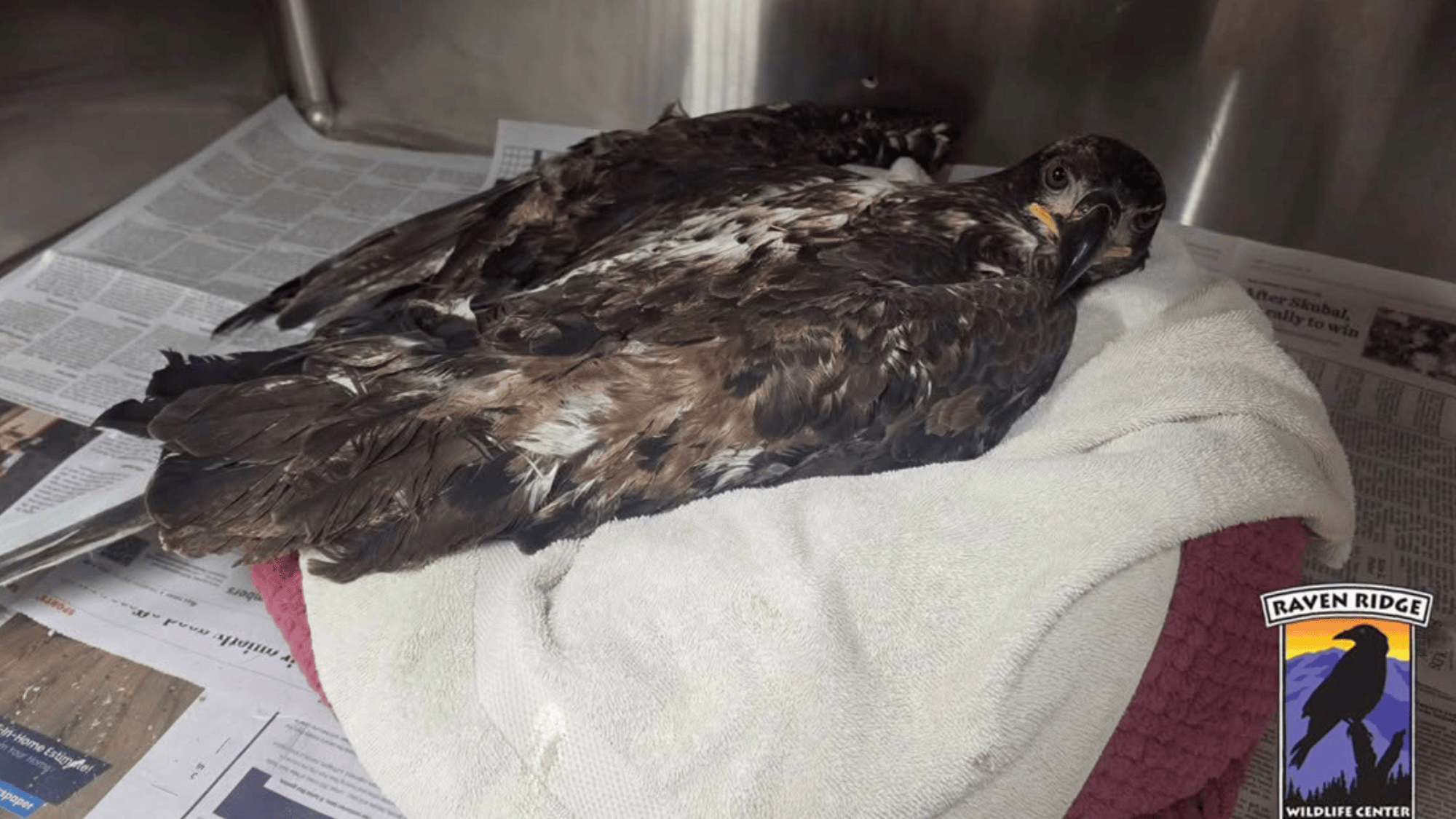
EXECUTIVE SUMMARY
Birds with lead poisoning are often hit by cars. The post Bald eagle mistaken for trashbag on the road to recovery appeared first on Popular Science.
Key Takeaways
- Bald eagle mistaken for trashbag on the road to recovery.
- Birds with lead poisoning are often hit by cars.
- The post Bald eagle mistaken for trashbag on the road to recovery appeared first on Popular Science.
Read Complete Original Article
Published originally on Popular Science