

APOD: 29 October 2026 – The Horns of Venus
APOD Science APOD APOD: 29 October 2026 – The… Today’s APOD Archive Submissions Index Search Calendar RSS Education About Discuss APOD Astronomy Picture of the Day Discover the cosmos! Each day a different image or photograph of our fascinating universe is featured, along with a brief explanation written by a professional astronomer. The Horns […]
Key Takeaways
- APOD: 29 October 2026 – The Horns of Venus.
- APOD Science APOD APOD: 29 October 2026 – The… Today’s APOD Archive Submissions Index Search Calendar RSS Education About Discuss APOD Astronomy Picture of the Day Discover the cosmos!
- Each day a different image or photograph of our fascinating universe is featured, along with a brief explanation written by a professional astronomer.
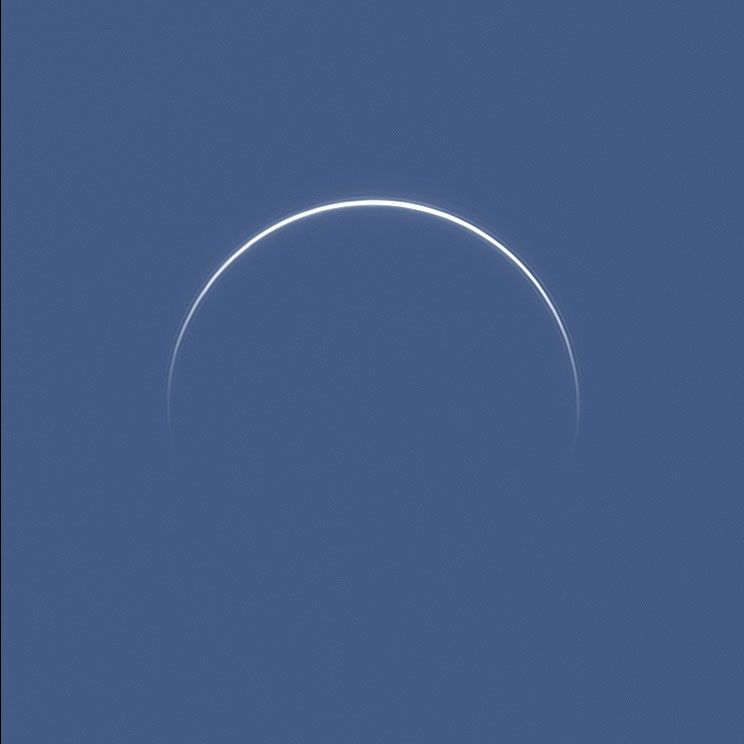
APOD Science APOD APOD: 29 October 2026 – The… Today’s APOD Archive Submissions Index Search Calendar RSS Education About Discuss APOD Astronomy Picture of the Day Discover the cosmos! Each day a different image or photograph of our fascinating universe is featured, along with a brief explanation written by a professional astronomer. The Horns of Venus Explanation: That’s no moon. But you could be forgiven for thinking it was a crescent Moon in the sky. It is a lesser known fact that Venus also has phases. (What about other planets?) The featured image shows Venus seen almost directly between the Sun and the Earth. This happens once every year and a half, and it is like the alignment that happens every month during a new Moon. But the new Moon is dark, while Venus’ backlit atmosphere refracts and scatters the sunlight, creating a glowing crescent arc that extends beyond 180 degrees: the tips of this arc are called the “horns”. The crescent can be seen with a small telescope or binoculars during twilight, but those with exceptionally acute eyesight may be able to see it with the unaided eye. Ancient Babylonian astronomers may have been the first to study Venus’ brightness changes, which are related to its phases. Many other cultures have similar astronomical records, including the oldest surviving Maya book. Tomorrow’s picture: What’s next? Date October 29, 2026 Credit & Copyright Thierry Legault Authors & editors: Cecilia Chirenti, Robert Nemiroff, Jerry Bonnell, Keighley Rockcliffe A service of: ASD at NASA / GSFC,NASA Science Activation & Michigan Tech. U. Random APOD Generator Yesterday’s Image APOD: 2026 October 28 – The Mutual Occultation of Ganymede and Io Tomorrow’s Image
Read Complete Original Article
Published originally on NASA News
Related News

New rules for vaping and nicotine products... do you know them?
New rules for vaping and nicotine products... do you know them?

Vulnerable 'at risk' as drug needle site closes
Belfast charity workers warn people who use the "life-saving" service will be left without support.

RAF base chemical contamination worst in UK, report says
Testing at RAF Upper Heyford finds "unacceptable" levels of polyfluoroalkyl substances (PFAS).
All Information In One Place
Real-time headlines from trusted sources. Get the app now — stay updated, inspired, and ahead with breaking news!
