Australia’s broad-headed snake (Hoplocephalus bungaroides) is as unique as it is threatened. However, ecologists at the University of Technology Sydney (UTS) have good news about this reptile. According to researchers, four of six captive-bred juveniles recently released into the Australian bush have survived their initial, most dangerous months outdoors. The team’s first-of-its-kind program may provide a promising path forward for the species—and a set of bespoke, artificial rocks may be the key. “Reintroducing any threatened species is challenging, especially when they’re captive bred,” explained University of Technology Sydney (UTS) wildlife ecologist Jonathan Webb. “When the juvenile snakes are released, they risk getting eaten by either native predators, like kookaburras and brown snakes, or invasive predators such as cats or foxes.” The broad-headed snake’s current predicament is the result of multiple issues. The distinct, yellow-banded serpent is slow to mature, and only begins reproducing around five years old. When it does, the nearly three-foot-long snake is one of the only venomous species known to give birth to live offspring. Although adults can live as long as 23 years in their native Sydney Basin, females only mate every two or three years. This leaves the broad-headed snake extremely susceptible to climate change, human impacts, and invasive predators. Any disruptions to the reproductive cycle can destabilize Australia’s population for generations—and the species has experienced plenty of disruptions over the last few decades. “The broad-headed snake fascinated me because it used to be very common in the Sydney region, but even in the 1990’s it was quite rare,” said Webb. “Why was this species in trouble when other snake species were doing okay?” Webb noted that Australia’s increasingly frequent droughts and wildfires, coupled with habitat destruction, have made the broad-headed snake one the continent’s most threatened species. The intentional removal of bush-rocks for landscaping projects is also rough on the animals.Juveniles are particularly hard hit, as they rely on the bush-rocks for shelter and a steady diet of other reptiles like skinks and geckos. “You can still buy rocks and boulders taken from the bush at your local landscape supplier, which is something I find really frustrating,” said Webb, adding that a single attractive boulder can sell for as much as $450. “That’s a pretty strong incentive for people.” In collaboration with the conservation organization Aussie Ark and Indigenous representatives of the Traditional Owners of the Shoalhaven region, Webb’s team have bred eight broad-headed snakes in captivity since 2024. Biologists kept one pair of snakes for their genetics, then released the other six at restoration sites in May. However, the juveniles weren’t left stranded in the bush. Researchers placed them beneath custom artificial rocks designed with ideal crevice measurements to mirror natural geologic formations’ thermal properties. Webb said the rocks were “critical” to the snakes’ survival odds. “Broad-headed snakes are nocturnal so they shelter under these rocks during the day and rely on them for warmth, protection and to attract prey,” he explained. Biologists hope to expand the program elsewhere in Australia, and breed even more broad-headed snakes for release. Although it’s a slow process, their early successes indicate a potentially ecosystem-altering solution for the reptiles. “We now have a unique, multi-faceted, holistic program that’s a model for threatened species conservation Australia-wide, and I couldn’t be prouder of our team and our partners,” added Aussie Ark founder Tim Faulkner. The post Fake rocks boost survival for venomous Australian snakes appeared first on Popular Science.
Fake rocks boost survival for venomous Australian snakes
PO
Popular ScienceBy Andrew Paul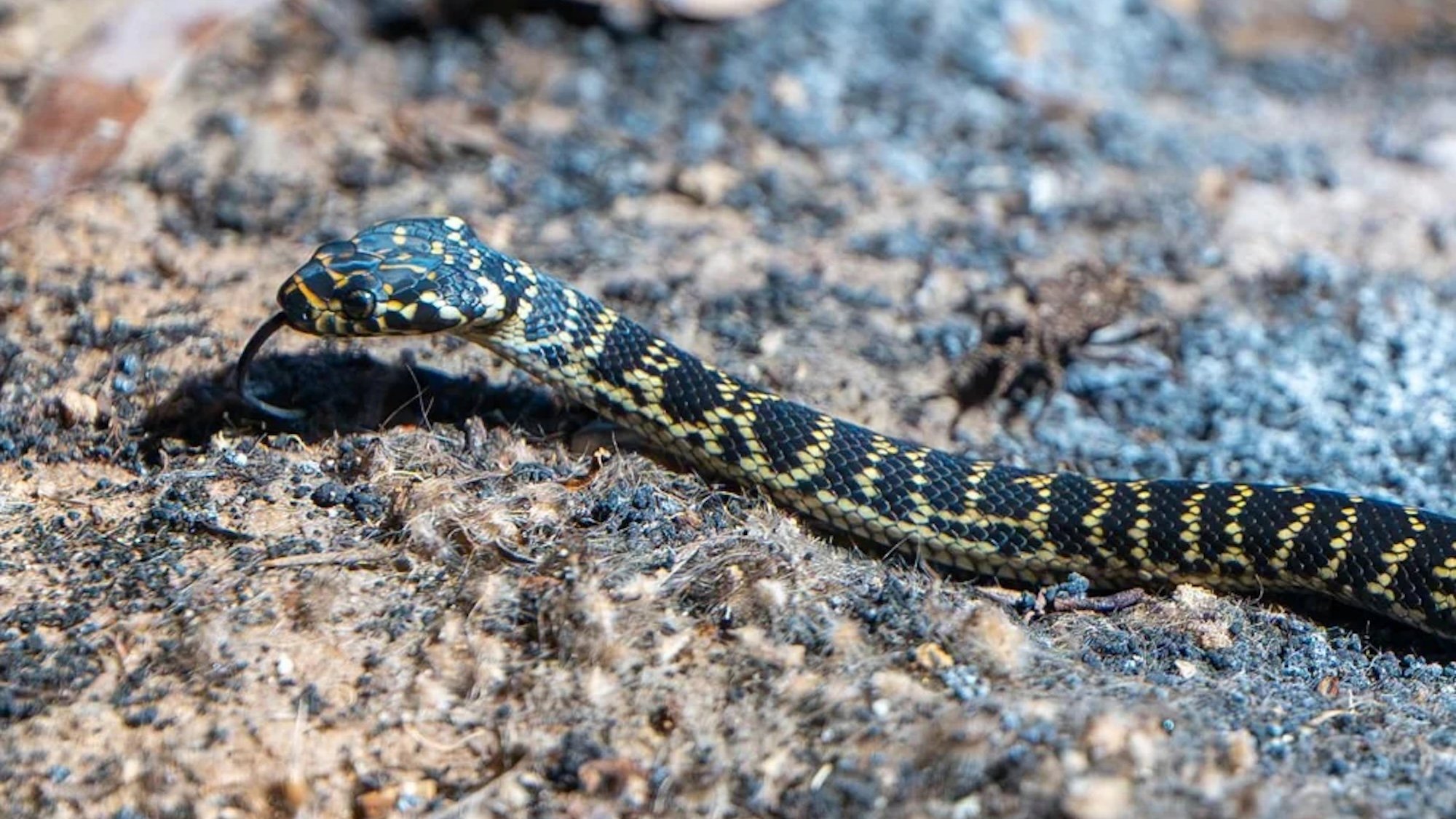
EXECUTIVE SUMMARY
The first-of-its-kind program bodes well for the endangered broad-headed snake. The post Fake rocks boost survival for venomous Australian snakes appeared first on Popular Science.
Key Takeaways
- Fake rocks boost survival for venomous Australian snakes.
- The first-of-its-kind program bodes well for the endangered broad-headed snake.
- The post Fake rocks boost survival for venomous Australian snakes appeared first on Popular Science.
Read Complete Original Article
Published originally on Popular Science