For one group of young sea turtles, a protected wetland in the United Arab Emirates (UAE) proved a perfect oasis. A team tracking nine juvenile green turtles (Chelonia mydas) found they were spending over 80 percent of their time in the Al Qurm Wa Lehhfaiiah Protected Area, a human-made lagoon on the UAE’s Gulf of Oman coast. Large numbers of turtles are also found in this basin built beyond the salt-tolerant trees and shrubs along the coast. A study published today in the journal Aquatic Conservation details the findings. In 2003, the basin was excavated as an extension of the Khor Kalba mangrove trees. The resulting Al Qurm Wa Lehhfaiiah Protected Area has been recognized as a wetland of international importance under the Ramsar Convention and as a Key Biodiversity Area since 2013. “Our results show just how critical coastal wetlands can be to young green turtles,” Dr. Owen Exeter, a study co-author and marine conservation ecologist from the University of Exeter, said in a statement. “The fact these turtles are using the artificial basin appears to be a happy accident, and an example of how wildlife can find a way in a world increasingly shaped by humans. However, without the natural mangroves connecting to this system, it’s unlikely that this would have occurred. According to the team, the floor of the basin is covered with algae, which likely means the turtles have enough food. A few sharks are making their way to this habitat. The turtles are now also showing “strong reliance” in the man-made basin, with five times higher odds of being found there than in surrounding habitats. While this spot can be a refuge, the natural mangrove channels also play a critical role in connecting the juvenile turtles (those with a shell less than 23 inches across) to the sea. These channels allow them to move with the tides and show the importance of protecting the entire ecosystem, not just parts of it. “The government of Sharjah currently protects most of this area from building development, fishing and boating—preserving the last mangrove ecosystem on UAE’s east coast,” Exeter said. “Coastal wetlands are tropical nature hotspots, providing essential nursery and foraging habitats for species including sea turtles. Wetlands are among the most threatened ecosystems globally, so we urgently need to understand how key species use both modified and protected wetlands.” Nine juvenile green turtles likely have plenty to eat from the algae on the basin floor. The lagoon is on the coast of the UAE. Image: Owen Exeter. While these findings are positive for the turtles living in the protected area, their life cycle depends on nesting beaches. Many of these beaches have already been lost to coastal development, and fishing, vessel traffic, and pollution affect the other nearby areas. One of the turtles swam over 430 miles south to central Oman, highlighting the need for conservation management of these mobile species once they are old enough to leave critical wetland sites. “Overall, our findings show that coastal wetlands, including engineered ones, can provide valuable habitat for juvenile turtles, provided they are designed for ecological connectivity and subsequent human pressures and threats are minimised,” concluded study co-author Brendan Whittington-Jones from the Sharjah Environment and Protected Areas Authority (EPAA) who led the study. The post Young sea turtles make an unexpected home in the Gulf of Oman appeared first on Popular Science.
Young sea turtles make an unexpected home in the Gulf of Oman
PO
Popular ScienceBy Laura Baisas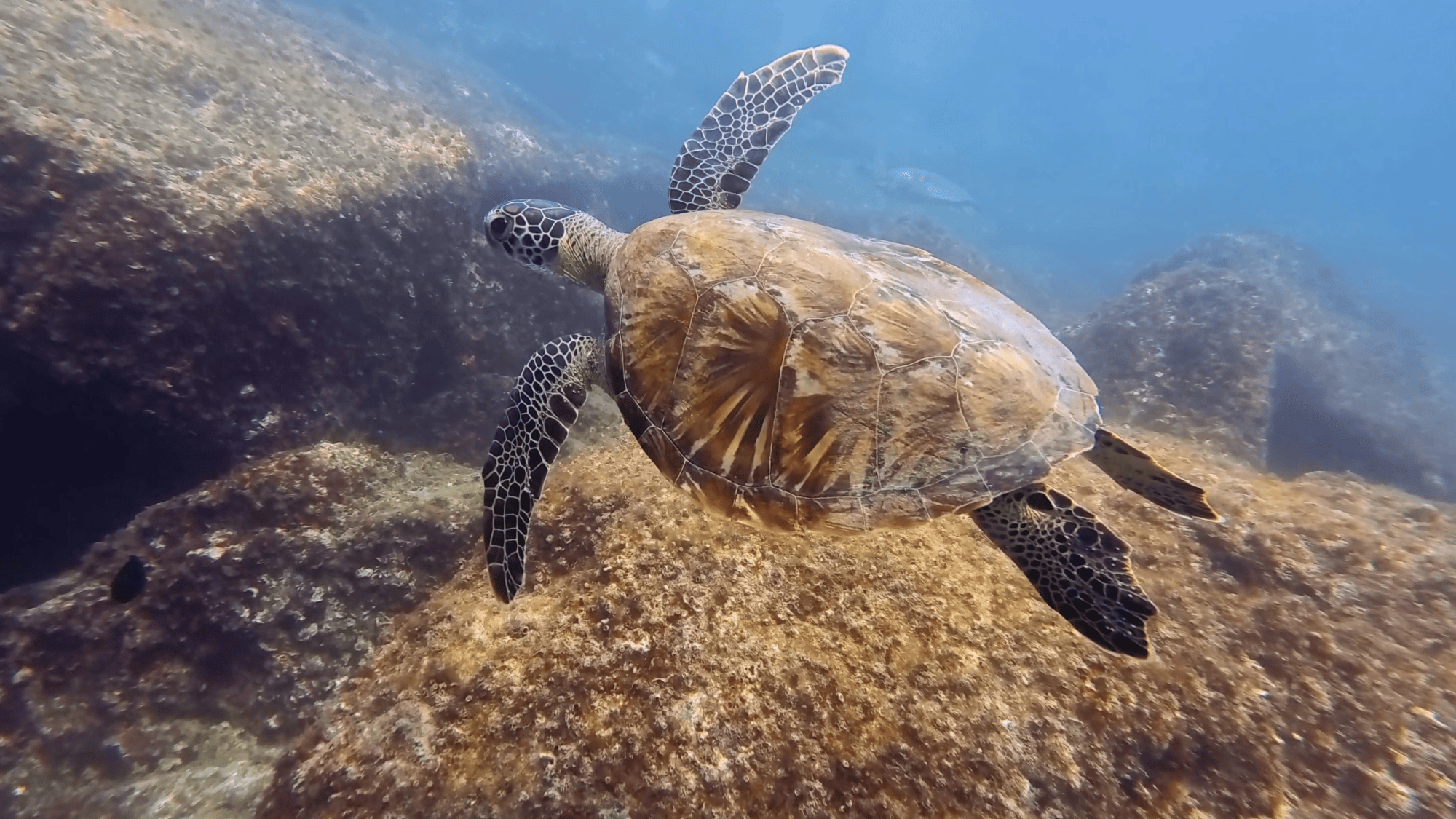
EXECUTIVE SUMMARY
The basin appears to provide the green turtles with lots of food and places to hide. The post Young sea turtles make an unexpected home in the Gulf of Oman appeared first on Popular Science.
Key Takeaways
- Young sea turtles make an unexpected home in the Gulf of Oman.
- The basin appears to provide the green turtles with lots of food and places to hide.
- The post Young sea turtles make an unexpected home in the Gulf of Oman appeared first on Popular Science.
Read Complete Original Article
Published originally on Popular Science