The ancient palace would have been considered a crown jewel of its people. Foreigners would have admired it with awe, and locals would have held it in great esteem. Then, 5,000 years ago, the villagers deliberately buried it, and we do not know why. A team of scientists announced several updates in mid-October about their work at Nanzuo, an ancient capital city near Qingyang, Gansu, in northwest China. Most of the updates concerned a central palace that would have been the cultural hub of the...
Why inhabitants of China’s 5,000-year-old cultural capital buried a stunning ancient palace
SC
SCMP - Feed 91By Kevin McSpadden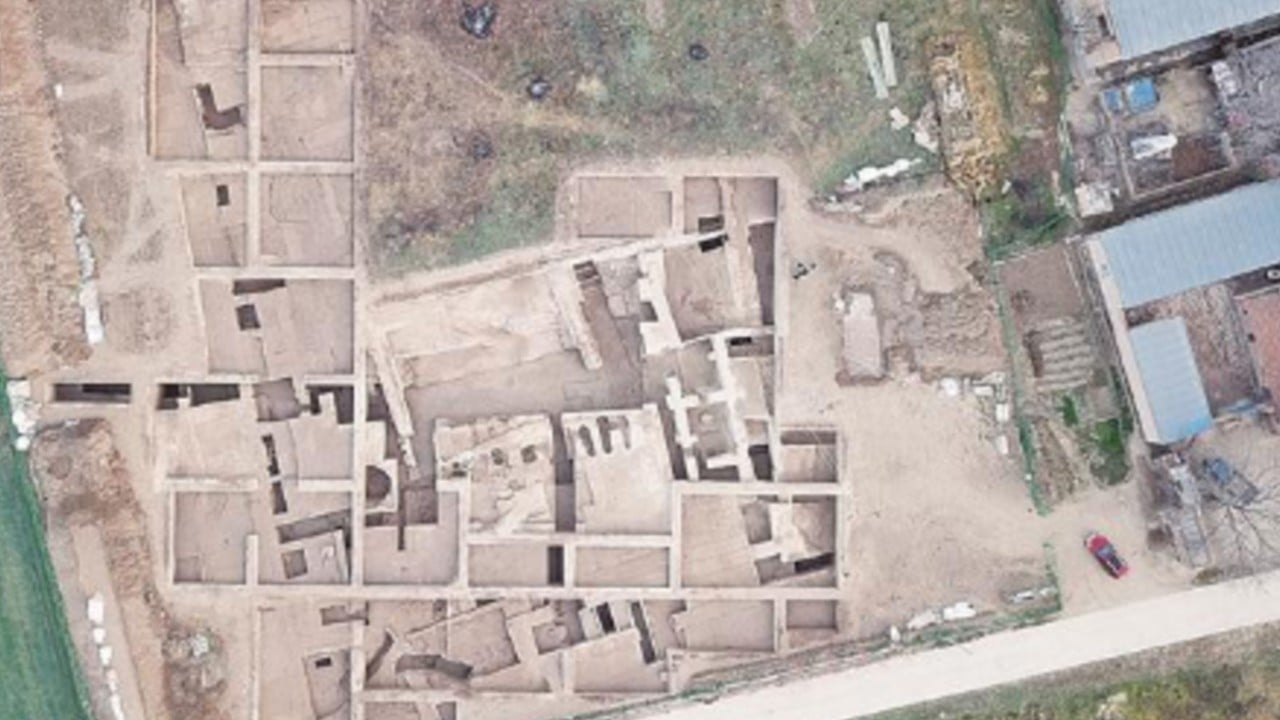
EXECUTIVE SUMMARY
The ancient palace would have been considered a crown jewel of its people. Foreigners would have admired it with awe, and locals would have held it in great esteem. Then, 5,000 years ago, the villagers deliberately buried it, and we do not know why. A team of scientists announced several updates in mid-October about their work at Nanzuo, an ancient capital city near Qingyang, Gansu, in northwest China. Most of the updates concerned a central palace that would have been the cultural hub of the...
Key Takeaways
- Why inhabitants of China’s 5,000-year-old cultural capital buried a stunning ancient palace.
- The ancient palace would have been considered a crown jewel of its people.
- Foreigners would have admired it with awe, and locals would have held it in great esteem.
Read Complete Original Article
Published originally on SCMP - Feed 91