A Guardian investigation has found that despite a recommendation to slow down, leading shipping companies continue to travel above advised speeds in a key habitat for cetaceansMarine biologist Alice Barbarioli waits with her camera trained on the horizon. A few minutes earlier, the hydrophone beneath the Pelagos research vessel detected codas – the sequence of clicks sperm whales use to communicate.The sperm whale reveals its head and dorsal fin as those onboard the vessel in the Pelagos sanctuary, a conservation area established to protect marine mammals in the north-western Mediterranean, rush to take photos and note the rhythm of its breathing. After a few minutes, the animal arches its back, and begins to head back into the depths of the sea. They wait to catch a glimpse of its tail. Continue reading...
‘They have schedules to follow’: how fast ferries can threaten endangered whales in the Mediterranean
TH
The Guardian - UKBy Clea Skopeliti, Federica Rossi and Wouter Massink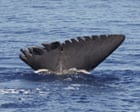
EXECUTIVE SUMMARY
A Guardian investigation has found that despite a recommendation to slow down, leading shipping companies continue to travel above advised speeds in a key habitat for cetaceans Marine biologist Alice Barbarioli waits with her camera trained on the horizon. A few minutes earlier, the hydrophone beneath the Pelagos research vessel detected codas – the sequence of clicks sperm whales use to communicate. The sperm whale reveals its head and dorsal fin as those onboard the vessel in the Pelagos sanct
Key Takeaways
- ‘They have schedules to follow’: how fast ferries can threaten endangered whales in the Mediterranean.
- A few minutes earlier, the hydrophone beneath the Pelagos research vessel detected codas – the sequence of clicks sperm whales use to communicate.
- After a few minutes, the animal arches its back, and begins to head back into the depths of the sea.
Read Complete Original Article
Published originally on The Guardian - UK