Tackling baked-on oven grease is rarely anyone’s favorite chore, but the shortcuts you take to get the job done could be silently wrecking your cooker. According to one appliance expert, several well-meaning cleaning methods can damage your appliance’s surface and reduce its performance.While you might feel confident with how to clean your oven, Ecem Uslubaş, senior product manager for cooking at Hotpoint, says, “a lot of common habits are based on what’s always been done rather than what works for each surface.”And she adds, “Getting it wrong doesn’t always cause obvious damage straight away, but it can impact the performance of your appliance without regular care.”So, before you slip on your household gloves and give your oven a deep clean, consider these six common oven-cleaning mistakes — and the safer routines you should adopt instead. 1. Using the same sponge on every surface(Image credit: Shutterstock)Reaching for the same abrasive scourer for the cooktop, the oven interior and the exterior trim is one of the most common habits.“Enamel, glass and stainless steel all respond differently to abrasive materials," explains Uslubaş. “A sponge tough enough for baked-on food can leave fine scratches on glass or dull the finish on stainless steel over time.”Instead of using the same cleaning sponge for all surfaces, she suggests keeping a softer cloth aside for delicate surfaces and reserving anything abrasive for tougher, more durable areas, as it will help protect each surface for longer. 2. Letting spills bake on repeatedly(Image credit: Shutterstock)Wiping a spill away once the cooker has cooled is far easier than dealing with it after several more cooking cycles. “Each time a spill gets reheated, it bonds more firmly to the surface,” says Uslubaş. “What would have taken a quick wipe on day one can end up needing a specialist product and more effort a few weeks later.”Even though it can seem easy to close the oven door and pretend the mess doesn’t exist, it will only prolong and worsen the cleanup. Instead of a simple wipe-down, your oven will need a deep clean if spills are left to solidify and become baked-in.3. Spraying cleaning product directly onto control panelsAiming a spray bottle straight at the controls can allow liquid to seep behind buttons or dials, which may affect how they function. However, there’s a simple way to change this habit, protecting your appliance while still getting it clean. “It’s worth applying the product to a cloth first, rather than spraying it directly onto the panel,” advises Uslubaş.4. Assuming every removable part is dishwasher safe(Image credit: Future / Camilla Sharman)Shelves, trays and other removable parts vary between cooker models, and not all of them are suited to a dishwasher cycle.It's also worth being aware that some finishes can be affected by the heat or the detergents used in a dishwasher, which makes them unsuitable, while some parts may only be suitable for cleaning on the top rack.Uslubaş says, "Make sure you check the appliance instructions before removing or washing any parts of your appliance. It’s also worth checking before using any specialist cleaning product too.”5. Lining the oven floor with aluminum foil(Image credit: Future / Camilla Sharman)Lining the bottom of the oven with foil might seem like a simple way to catch spills, but it can interfere with airflow and heat distribution. Although it's easier to remove and replace soiled foil, it has a negative impact on the performance of your oven."Ovens are designed with specific airflow in mind, and foil can disrupt that, leading to uneven cooking results," explains Uslubaş. As an alternative she suggests using removable trays or liners designed for the purpose, as they are a safer way to catch drips without affecting performance.Double Oven Electric Range WGE745C0FS: was $1943 now $1598This Whirlpool electric range features two ovens and has a combined capacity of 6.7 cubic feet, with plenty of space to cook multiple foods at different temperatures. Plus, with 5 burners and Aqua-Lift self-cleaning technology, it's hard to beat.View Deal6. Overlooking door seals and edgesThe door seal is one of the most frequently missed areas during a routine clean, despite playing an important role in how efficiently the oven heats. I have to admit, that I also neglect cleaning my washing machine and dishwasher seal, just the same. "Seals can gather grease and food debris just like any other part of the oven, and a damaged or dirty seal can let heat escape," says Uslubaş. “Wiping around the seal and door edges as part of a regular clean helps maintain both hygiene and cooking performance.”Regularly cleaning the seal also lets you check for wear, such as cracks that can reduce the seal’s efficiency. What to look for when buying a new oven(Image credit: Shutterstock)Cleaning an oven can be a real drag, especially after you've cooked a roast, as the entire appliance can be covered in grease. But, it can be made easier by cleaning it out once it's cooled down, rather than leaving until it's cooked a few more dinners. However, if you are in the market for one of the best ovens, Uslubaş says it’s worth looking for an appliance that helps clean itself, and suggests buying one with the following features:Pyrolytic cleaningThe oven heats up to an extreme temperature and carbonizes and incinerates grease, baked-on food and residue to a fine ash.Steam cleaningRather than heating to extreme temperatures, a steam cleaning function involves pouring a small amount of water onto the oven floor and heating it to around 200-400°F. The steam created helps loosen any residue, which can then be wiped away with a cloth.Catalytic linersThe oven’s interior walls are lined with a porous enamel embedded with an oxidation catalyst. The liner continuously absorbs grease and food splatters while you’re baking at normal temperatures.More from Tom's GuidePeople are using dishwasher tablets to clean their oven — here's how to do itHow to remove oven glass stains without leaving a single scratch using this one natural solutionStubborn air fryer grease? Here's why it sticks and how to eliminate it
The real reason you’re cleaning your oven wrong — and what the experts recommend instead
TO
Tom's GuideBy Camilla Sharman 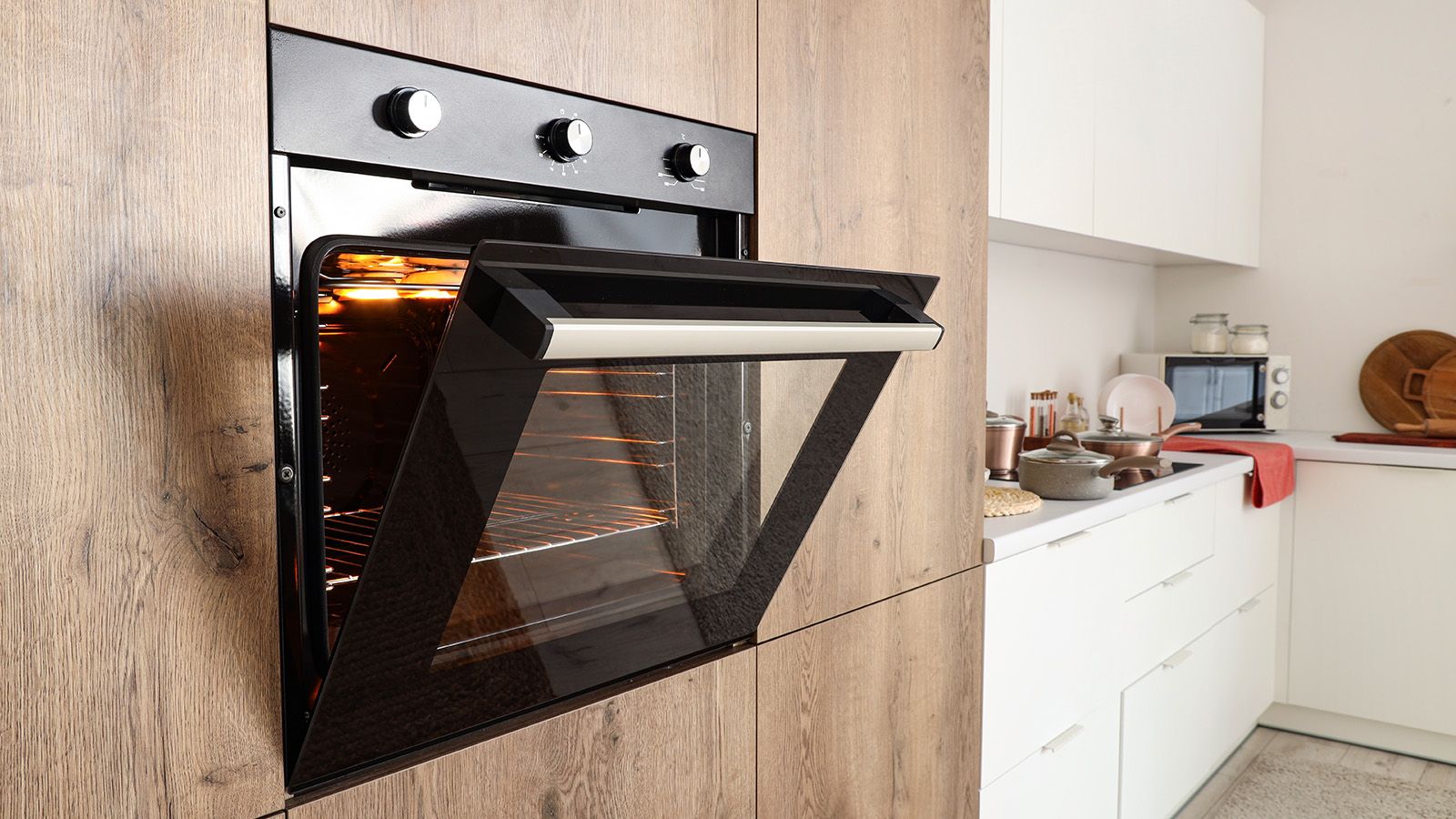
EXECUTIVE SUMMARY
Stop cleaning your oven like this — and what the pros recommend instead.
Key Takeaways
- The real reason you’re cleaning your oven wrong — and what the experts recommend instead.
- Stop cleaning your oven like this — and what the pros recommend instead.
- Tackling baked-on oven grease is rarely anyone’s favorite chore, but the shortcuts you take to get the job done could be silently wrecking your cooker.
Read Complete Original Article
Published originally on Tom's Guide