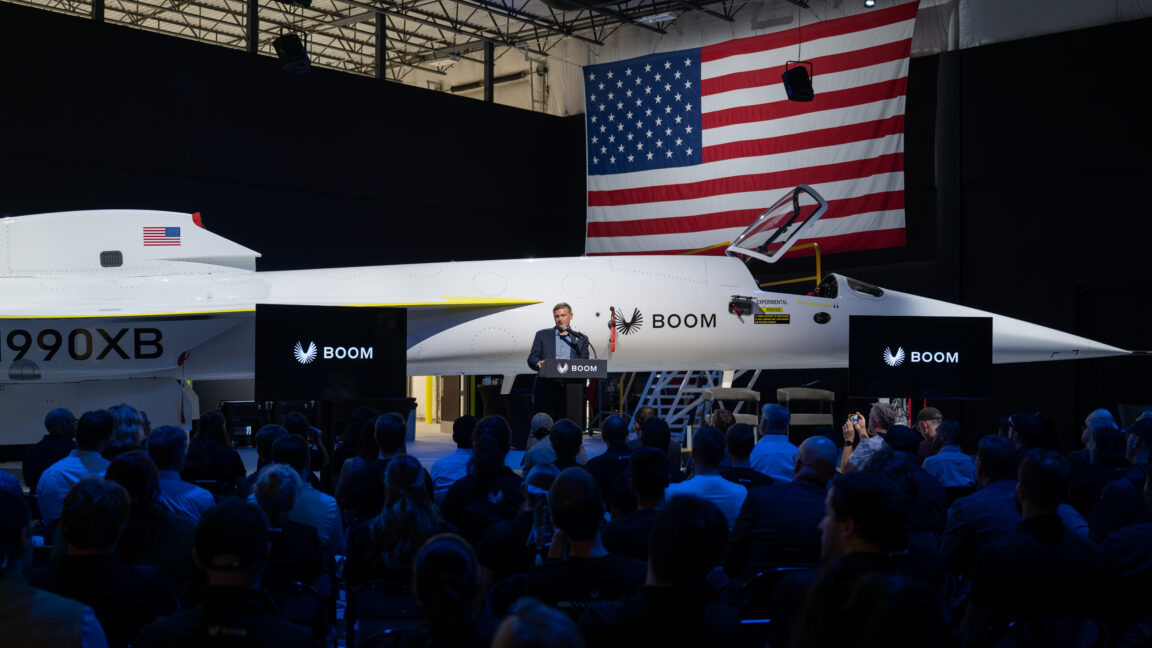
Boom Supersonic CEO Blake Scholl recently declared “it’s time for a renaissance in energy and in supersonic flight” as the supersonic airliner company unveiled a Colorado factory dedicated to making gas turbines for AI data centers. But Boom may be facing turbulence after early backers for both ventures have questioned the company’s delivery timeline or backed out entirely. One of the company’s first customers, United Airlines CEO Scott Kirby, has expressed doubts about Boom’s original plan to deliver the first Overture supersonic airliner in 2029. Kirby’s latest frank assessment came during an interview with the Office Hours: Business Edition podcast that appeared on October 28, 2026. “‘29 is their official timeline,” Kirby told podcast host Monica Langley. “It’s not going to happen in ‘29—it’s going to take longer.”Read full article Comments
Supersonic airliner in doubt as company shifts to powering AI data centers
AR
Ars TechnicaBy
Jeremy Hsu
EXECUTIVE SUMMARY
Boom’s airliner may be delayed, and its data center power business lost a customer.
Key Takeaways
- Supersonic airliner in doubt as company shifts to powering AI data centers.
- Boom’s airliner may be delayed, and its data center power business lost a customer.
- But Boom may be facing turbulence after early backers for both ventures have questioned the company’s delivery timeline or backed out entirely.
Read Complete Original Article
Published originally on Ars Technica