Scientists have a new tool in the fight to save Earth’s endangered coral reefs and it’s something many moms-to-be know all too well: the ultrasound. This week, veteran camera-maker Canon announced its high-tech ultrasound platform can scan living coral submerged underwater and detect eggs developing inside them. Until now, checking whether coral was carrying eggs typically required cutting it open. This ultrasound development means researchers can assess coral reproduction non-invasively for the first time. By using ultrasound, scientists can gather crucial information about a coral’s reproductive health and try to predict when it will release its eggs. That insight can help conservationists time and target their restoration efforts without damaging or sacrificing the species in the process. Researchers submerged four different difficult living species of coral underwater during the test. Image: Canon UK Canon conducted the experiment in collaboration with United Kingdom-based conservation organization Coral Spawning International (CSI). The team used Canon’s Aplio i700, an advanced medical ultrasound system normally used on humans in hospital settings. In this case though, it scanned six species of large polyp stony coral with varying skeletal structures. The device’s powerful mixture of high and ultra high frequency probes let researchers see through the coal’s skeletons and view their internal structures. The team verified their results by cutting open one coral species, Trachyphyllia geoffroyi, and taking high powered images of its interior. Those images were then cross referenced with the results from the ultrasound, confirming that the structure identified in the scan were indeed eggs. “This experiment demonstrates that imaging innovation has the power to show us what was previously unseen, creating a deeper understanding of the world around us,” Canon EMEA Sustainability and Government Affairs Director Peter Bragg said in a statement. “By unlocking this knowledge, we hold a fundamental belief that imaging has the power to transform the world.” Eggs were spotted on the small specs on the ultrasound and verified by comparing them to a fragmented physical coral. Image: Canon UK. Coral reefs are in serious trouble Coal can use all the help it can get. Late last month, the International Union for Conservation of Nature (IUCN) released a sobering assessment warning that nearly all (96 percent) of the Earth’s coral reef ecosystem face an extremely high risk of collapse within the next 50 years. The main culprit? Warming oceans and heat waves brought on by climate change. That dire threat isn’t just a problem for coral, either. Coral reefs, sometimes referred to as the “rainforests of the sea” are the among the most biodiverse eco systems on the planet and support an estimated quarter of all marine species. When reefs collapse, the coral dies and is replaced by algae and sponges which are not able to support as diverse a range of marine life. As a result, the ocean’s overall biological health ebbs and flows alongside coral. Understanding when corals will spawn can give scientists critical data for breeding and a leg up on restoration efforts, which can help them try and tip the odds in coral’s favor. Ultrasound scans could make that work more precise while sparing the coral from an untimely dissection. Related Coral Stories ‘Dead’ coral reef found alive and thriving off West Africa New species of coral named after Chewbacca World’s largest coral discovered and it’s longer than a blue whale Coral reefs are dying, but it’s not too late to save them The post Scientists detect ‘pregnant’ coral using ultrasound device appeared first on Popular Science.
Scientists detect ‘pregnant’ coral using ultrasound device
PO
Popular ScienceBy Mack DeGeurin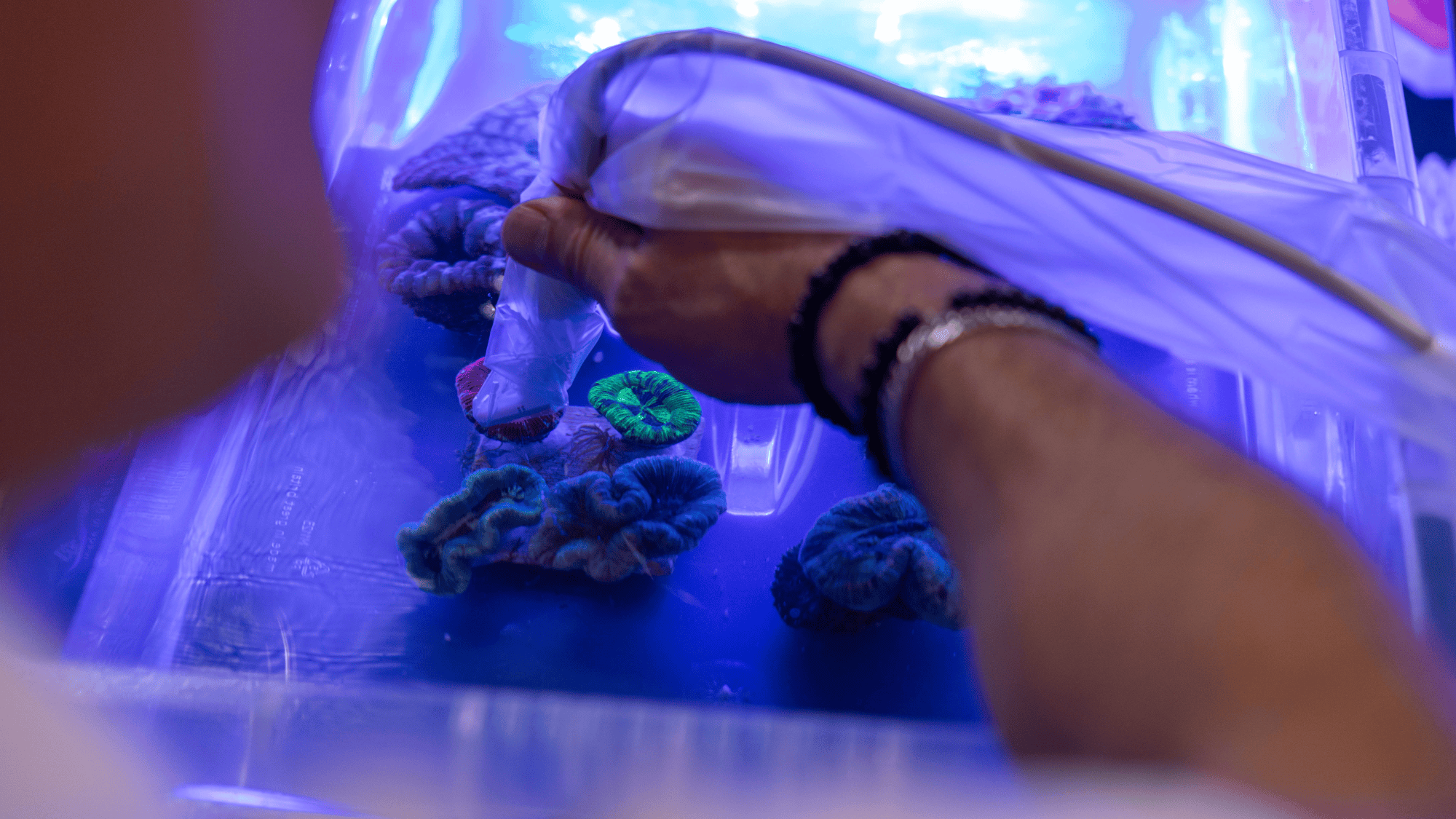
EXECUTIVE SUMMARY
The high-tech method offers a non-invasive way to monitor endangered coral populations. The post Scientists detect ‘pregnant’ coral using ultrasound device appeared first on Popular Science.
Key Takeaways
- Scientists detect ‘pregnant’ coral using ultrasound device.
- The high-tech method offers a non-invasive way to monitor endangered coral populations.
- The post Scientists detect ‘pregnant’ coral using ultrasound device appeared first on Popular Science.
Read Complete Original Article
Published originally on Popular Science