

Neil Gehrels Swift Observatory is expected to re-enter Earth’s atmosphere Wednesday, burning up in the processNasa’s Neil Gehrels Swift Observatory, which has spent two decades studying the most powerful explosions in the cosmos, is expected to re-enter the Earth’s atmosphere on Wednesday, burning up in the process.The satellite, which was designed to operate with its three telescopes for just two years, is no longer able to steer or observe, and its re-entry is uncontrolled. Continue reading...
Nasa telescope launched in 2004 to plunge back to Earth after failed rescue mission
TH
The Guardian - UKBy Edward Helmore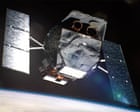
EXECUTIVE SUMMARY
Neil Gehrels Swift Observatory is expected to re-enter Earth’s atmosphere Wednesday, burning up in the process Nasa’s Neil Gehrels Swift Observatory, which has spent two decades studying the most powerful explosions in the cosmos, is expected to re-enter the Earth’s atmosphere on Wednesday, burning up in the process. The satellite, which was designed to operate with its three telescopes for just two years, is no longer able to steer or observe, and its re-entry is uncontrolled. Continue reading.
Key Takeaways
- Nasa telescope launched in 2004 to plunge back to Earth after failed rescue mission.
- The satellite, which was designed to operate with its three telescopes for just two years, is no longer able to steer or observe, and its re-entry is uncontrolled.
Read Complete Original Article
Published originally on The Guardian - UK


