Picture the scene: you're mentally drained but can't fall asleep. Worse still, after you eventually do nod off, you find yourself wide awake at 3 a.m., staring at the ceiling, unable to go back to sleep. That was my reality for months until a sleep doctor explained that the coping mechanisms I was using to get through my days were likely contributing to my 3 a.m. wake-ups.Here Dr. Ana Casas, a longevity and internal medicine specialist, and Dr. Shelby Harris, a Board-Certified Clinical Psychologist at Better Sleep, explain what sleep pressure is and why it's crucial for dropping off and sleeping through the night.What is sleep pressure?(Image credit: Future)"Think of sleep pressure as your brain’s natural hunger for sleep," explains Dr. Casas, who co-authored the book Take Back Your Sleep: The Science-Based Strategy for Deep Sleep, Brain Longevity, and Peak Performance. "Just as your body becomes hungrier the longer you go without food, your brain becomes hungrier for sleep the longer you stay awake.""This is one of the two primary forces that regulate sleep, alongside our circadian rhythm, or internal body clock," adds Dr. Harris. "When sleep pressure is sufficiently high and aligned with our natural circadian rhythm, we are more likely to fall asleep easily, move through the appropriate stages of sleep, and stay asleep throughout the night."3 daytime mistakes contributing to my 3 a.m. wake-ups and robbing me of deep sleepHealthy adults clocking up between seven and nine hours of overall sleep should be spending 45 to 90 minutes in deep sleep, experts recommend. Deep sleep is hugely important for our overall energy levels and stress management. Here are the common mistakes experts said were robbing me of sleep pressure and, as a result, the amount of time I was spending in deep sleep:1. Not making time for daily movement(Image credit: Shutterstock)One of the mistakes I've made when it comes to building sleep pressure is using mental exhaustion as an excuse not to incorporate movement into my day. After all, I feel mentally drained — why do I still need to exercise? "A demanding workday can leave you feeling exhausted, but prolonged periods of sitting and limited physical activity may mean you haven't built as much sleep drive as you think," explains Dr. Harris, who notes that incorporating movement into the day supports healthy sleep patterns. "This doesn't mean you need an intense workout every day," says the sleep doctor. "Walking, taking movement breaks between meetings, getting outside in natural daylight, or doing some light exercise can all make a difference. The goal is to give your body enough activity and daytime stimulation to support restorative sleep at night."As well as helping build sleep pressure, a study by the University of Texas indicates that getting as little as 10 minutes of moderate to vigorous exercise per day could help you get more deep sleep.2. Consuming caffeine too late in the afternoonWhen you've had a rough night's sleep, you might mistake caffeine as your friend, helping you to power through the day. I know I have. However, caffeine has a half life. That means that half the amount of caffeine you have consumed will still be swirling around in your system between 3-7 hours later, depending on your tolerance to it.What does that have to do with sleep pressure? "Caffeine blocks adenosine receptors in the brain, temporarily masking our natural sleep pressure even though adenosine continues to build up," explains Dr. Casas. (Image credit: Getty Images)3. Spending too long in bedSleeping in on the weekend or going to bed early is a common go-to method of catching up on lost sleep. However, this can make it much harder to fall asleep later that night. "One of the biggest mistakes is spending too much time in bed, particularly when people try to compensate for a poor night's sleep by going to bed significantly earlier or sleeping in later," says Dr. Harris. "This can reduce the amount of time spent awake and prevent sufficient sleep pressure from building."Napping or falling asleep in front of the TV (guilty) has a similar effect. Sticking to a consistent sleep schedule is your best bet for allowing adequate sleep pressure to build. If you must nap, Dr. Harris recommends keeping them "relatively short and earlier in the day so they don't interfere with nighttime sleep pressure." 4 ways to increase sleep pressure for deeper sleep(Image credit: Future)"Ultimately, healthy sleep isn't just about what you do at bedtime," concludes Dr. Harris. "It's about building the right conditions throughout the day so your body is naturally ready for sleep when night comes." These are her expert tips to increasing your sleep pressure so you can fall asleep quicker and stay asleep all night.Stick to a consistent sleep schedule: A consistent sleep schedule, like the 7:1 sleep rule, helps regulate the circadian rhythm, which is our body's internal clock. Waking up and going to bed at the same time every day (even on the weekend) helps optimize sleep pressure.Get plenty of morning light: Morning sunlight helps stimulate the production of wakeful hormones, like serotonin. Once bedtime rolls around, any leftover serotonin is converted into melatonin, which helps you fall asleep faster.Limit naps: Sleeping causes your sleep pressure to plummet, so your daytime nap could make it harder to fall and stay asleep later that night.Avoid caffeine late in the afternoon: Around half the level of caffeine you consume will still be swirling around your blood stream around 5 hours later on average. Caffeine blocks the neurotransmitter adenosine, which helps us feel tired.How low sleep pressure leads to 3 a.m. wake ups"If we haven't built up enough sleep pressure during the day, we may find it harder to fall asleep or experience more fragmented sleep," explains Dr. Harris, who notes that the first half of the night is when we tend to clock up the majority of our overall deep sleep. This is thanks to a healthy bank of sleep pressure that's been building throughout the day, lulling us into deeper, slow-wave sleep. When we're in a sleep pressure deficit, it takes us longer to fall asleep and can lead to waking up at night — specifically at 3 a.m. (Image credit: Future)"As the night progresses, that pressure naturally dissipates, and our sleep architecture shifts toward lighter stages of sleep and longer periods of REM sleep," explains Dr. Harris. "Around 3 a.m., depending on when someone goes to bed, they may be moving through these lighter sleep stages, making them more susceptible to waking from environmental disruptions, stress, or changes in body temperature," continues the sleep doctor. "If someone hasn't built up sufficient sleep pressure during the day, this transition can make it harder to maintain consolidated sleep," says Dr. Harris, who notes that insufficient sleep pressure isn't the only cause of waking up at night. "It's important to remember that 3 a.m. wake-ups aren't always caused by sleep pressure alone – circadian rhythm disruptions, alcohol, stress, and hormonal changes can also play a role."
I kept waking up at 3 a.m. until a doctor pointed out 3 daytime mistakes robbing me of deep sleep — here's how I fixed them
TO
Tom's GuideBy Nicola Appleton 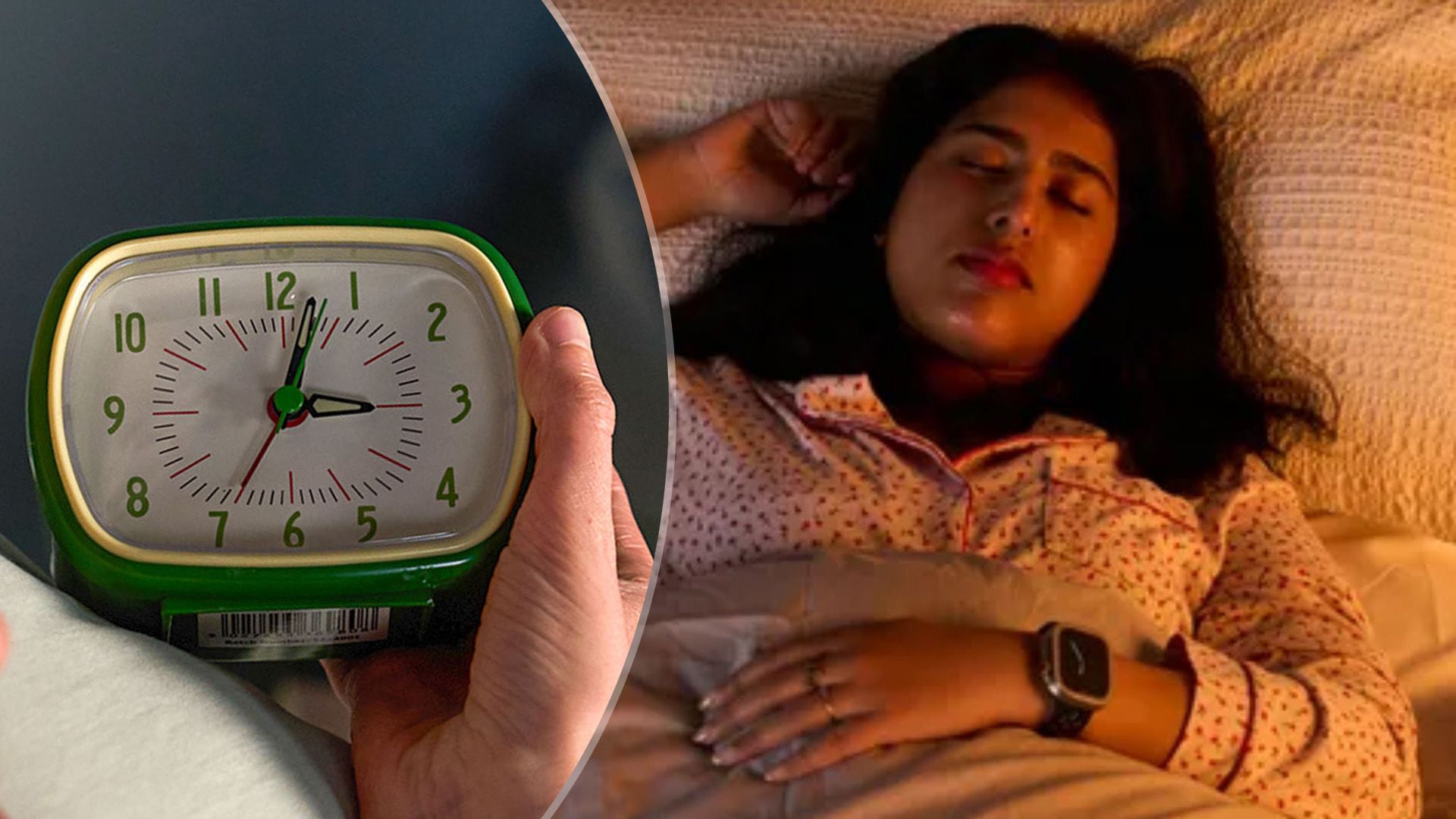
EXECUTIVE SUMMARY
Sleep experts explain what sleep pressure is, why it's important for deep sleep, and how not having enough of it can cause 3 a.m. wake ups.
Key Takeaways
- I kept waking up at 3 a.m.
- until a doctor pointed out 3 daytime mistakes robbing me of deep sleep — here's how I fixed them.
- Sleep experts explain what sleep pressure is, why it's important for deep sleep, and how not having enough of it can cause 3 a.m.
Read Complete Original Article
Published originally on Tom's Guide