I didn't know until quite recently that your calves are known as the "second heart" because they help pump deoxygenated blood back up the body. Not only that, but they also play a role in absorbing force during lower-body movement and provide stability to your lower limbs.I'm not great at sitting still, so during my working days at my desk, I am known to have a quick wander to quell restless legs, and recently I learned about an exercise called a soleus push-up.I've been performing maximum reps every hour while seated during my workday, and I've noticed a few things so far. Read on to find out more.What is a soleus push-up?A soleus push-up (SPU) is a seated calf raise exercise that targets the deeper calf, or soleus muscles. Here's how to do soleus push-ups:(Image credit: Shutterstock)Sit in a chair with both feet flat and knees bentLift your heels and press through the balls of your feetPause at the top and squeeze your calvesSlowly lower your heels downRepeat for as many reps as you can in a smooth motion, totaling 60 seconds.Why it worksCollectively, the soleus and gastrocnemius muscles form your calves and are referred to as a secondary heart. These muscles help pump blood toward the heart, squeezing the veins with contractions so oxygen-depleted blood travels up the body rather than pooling in your lower limbs.To keep circulation going, being as active as possible helps, including walking, running, or cycling. You may also find elevating your legs at times can be useful, especially after prolonged sitting. But if you don't fancy swinging your legs up onto your desk in the office, seated calf raises or soleus push-ups can help. But before we get into what happened when I tried it every hour, every day, for one week during work, there's a study I think you should know about. Published in the Journal of Biomechanics, the research found that people with chronic heart failure had smaller calf muscles (namely, the deeper soleus muscle that helps us walk and stand) than people deemed "healthy" with "functional hearts."Performing these muscular contractions seated can be useful for people who have desk jobs or want to limit fatigue and blood pressure issues.Here's what happened when I tried the exercise every day. Research found that people with chronic heart failure had smaller calf muscles (namely, the powerful soleus muscle that helps us walk and stand) than people deemed "healthy" with "functional hearts." 1. It helped my anklesI have very mobile, clicky joints, and my ankles get both noisy and stiff if I don't move often enough, so adding as many reps as I could for 60 seconds per hour during my workday really helped.I set eight alarms, one for every hour, and timed myself for 60 seconds, performing reps at my desk while still working. When I got up to move around, particularly later in the week, I found my ankles felt more mobile and warmed up, and my calves felt less stiff. I recommend learning how to do calf raises, as well as trying some ankle mobility exercises and lower-body stretches alongside this move to ramp things up further. 2. It was easy, low-impact and accessibleBecause the movement is driven from the lower limbs while seated, it's extremely accessible and low-impact, meaning most people don't even need to stop working while performing the soleus push-up. That also means you can go for high rep ranges while sitting at a desk. The soleus muscles thrive on sustained periods of movement, so this makes it an ideal exercise to repeat during the week while keeping those muscle contractions going during seated periods. I added ankle weights to increase the intensity, and this is safe to do because there's no impact. I found it worked my muscles harder and, after stopping 60 seconds later, I felt like I'd been walking up a set of stairs. Add weights just above your knees for even more resistance.3. There are benefits for your metabolism, but I haven't noticed it yetMarc Hamilton pioneered the soleus push-up at the University of Houston and published findings in the journal iScience, saying the exercise provides "optimal activation" and "elevates muscle metabolism for hours, even while sitting." He adds that the exercise helps sustain an "elevated local oxidative metabolism" which can improve blood glucose regulation by helping clear blood glucose from the bloodstream. Oxidative metabolism refers to a process where oxygen helps burn blood glucose or fats, depending on the energy needs of your working muscles.“No one ever investigated how to use it to optimize our health, until now,” says Hamilton. “When activated correctly, the soleus muscle can raise local oxidative metabolism to high levels for hours, not just minutes, and does so by using a different fuel mixture.”Of course, without a carefully controlled lab setting, I couldn't tell you if this made a difference for me or not. 4. But it is helping circulationI can be subject to swollen ankles and a little numbness in certain positions, a condition my musculoskeletal doctor hasn't been able to pinpoint just yet, so I was intrigued that soleus push-ups could boost circulation.A week later, although not life-changing, I have noticed less swelling and numbness while sitting. This makes sense, as your soleus muscle helps pump blood toward the heart.Plus, as we age, calf strength can decline, which can have a knock-on impact on gait and balance during movement. By maintaining strong, healthy calves, I know I'm reducing the workload on my joints, namely my ankles and knees, which should benefit me heading into my later years.Keeping them strong can make everyday activities feel easier, too, while also improving balance, ankle stability and overall lower-limb function.So, according to science, these muscles protect your heart, aid circulation, help produce movement, and impact gait and balance. What more reason do you need to give this exercise a try the next time you're seated?More from Tom's GuideStop guessing: A massive 50-year study finally reveals when our bodies really start to ageNo gym needed — you just need 1 kettlebell and 30 minutes to build full-body strength and boost your metabolismDitch sit-ups and crunches — blast your abs in 10 minutes with this 4-move standing core workout
I did the 'soleus push-up' desk drill every work hour for a week — here are the surprising results I've noticed so far
TO
Tom's GuideBy Sam Hopes 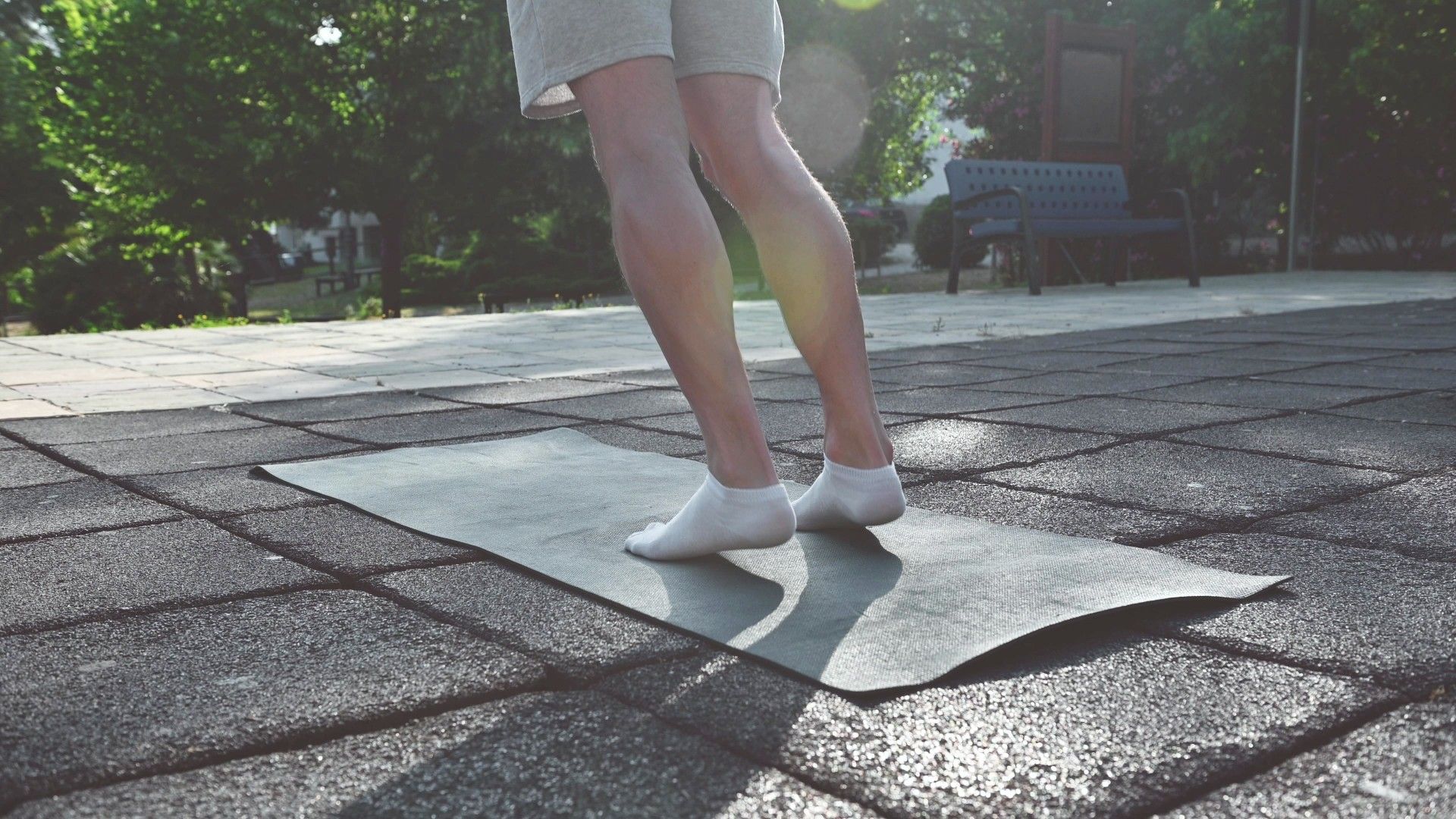
EXECUTIVE SUMMARY
Your calf muscles are the 'second heart' because they play a crucial role in pumping blood around the body. Here's what happens when you train them every day.
Key Takeaways
- I did the 'soleus push-up' desk drill every work hour for a week — here are the surprising results I've noticed so far.
- Your calf muscles are the 'second heart' because they play a crucial role in pumping blood around the body.
- Here's what happens when you train them every day.
Read Complete Original Article
Published originally on Tom's Guide