Few garden tasks feel more frustrating than trying to clear fallen pine needles from a gravel path or driveway. Standard metal rakes dig too deeply into loose chippings, scattering stones into the lawn and leaving you with heavy piles of mixed rock and debris to separate by hand. Leaving them in place is not an option either, as damp needles quickly break down into acidic sludge that encourages weeds and turns paths slippery underfoot. The trick to lifting them quickly comes down to choosing the right tool and working with the natural weight difference between light needles and heavy stone.Why you shouldn't leave fallen pine needles on gravelIt is tempting to leave a light scattering of needles where they land, but ignoring them quickly turns a low-maintenance gravel path into an ongoing headache. As pine needles decompose, they break down into a fine, nutrient-rich organic sediment that sifts down into the voids between your stones, creating an ideal seedbed for persistent weeds to take root. Left to sit through wet weather, that matted needle layer traps moisture, speeds up moss and algae growth, and transforms crisp aggregate into a slick slip hazard underfoot, all while leaching dark tannins that can permanently stain decorative light-coloured stone.Here are three simple ways to lift fallen needles cleanly away while leaving every pebble where it belongs.The easy way to lift pine needles from gravelSwitch to a flexible spring tine rakeRigid garden rakes with solid steel teeth are designed to dig into soil, making them the absolute worst choice for loose aggregate.(Image credit: Shutterstock) Swapping to a lightweight, flexible spring-wire leaf rake or an adjustable metal fan rake gives you far better control over surface contact. Hold the rake handle at a low, shallow angle and use light, skimming sweeps across the top layer rather than pulling downwards into the stones. The flexible tines gently flex over individual pebbles, gathering the tangled needle carpet on top while leaving the heavier rocks undisturbed beneath.Float debris off with a leaf blowerIf manual raking still catches too many small chippings, a leaf blower offers a far faster and cleaner shortcut when used correctly. The secret lies in keeping the airflow moving horizontally rather than pointing the nozzle straight down into the gravel bed. (Image credit: Shutterstock)Stand several paces back, tilt the blower tip so it skims just above the stones, and use steady side-to-side sweeping motions on a low or medium throttle. The high-velocity air easily catches the large surface area of dry needles, rolling them into manageable windrows along the edge of the path without kicking up a single stone.Vacuum up stragglers on dry daysFor sunken paths or borders enclosed by stone edging where blowing debris simply bounces off walls, a garden vacuum or shop vac clears the remaining scatter in minutes. Wait for a dry afternoon when the needles are completely crisp and non-sticky, as damp needles clump tightly to stone surfaces. (Image credit: Shutterstock)Hover the wide intake nozzle an inch or two above the path so suction pulls up the lightweight needles while leaving the dense gravel anchored to the ground, giving your decorative stones a crisp, immaculate finish with zero back strain. More from Tom's Guide 3 ways to keep your neighbor's grass on their side of the fenceWhen to clean your gutters in fall (and why doing it too early backfires)Don't leave gas in your lawnmower this fall — do this one thing before temperatures drop
How to clean pine needles out of gravel paths — without raking up rocks
TO
Tom's GuideBy Kaycee Hill 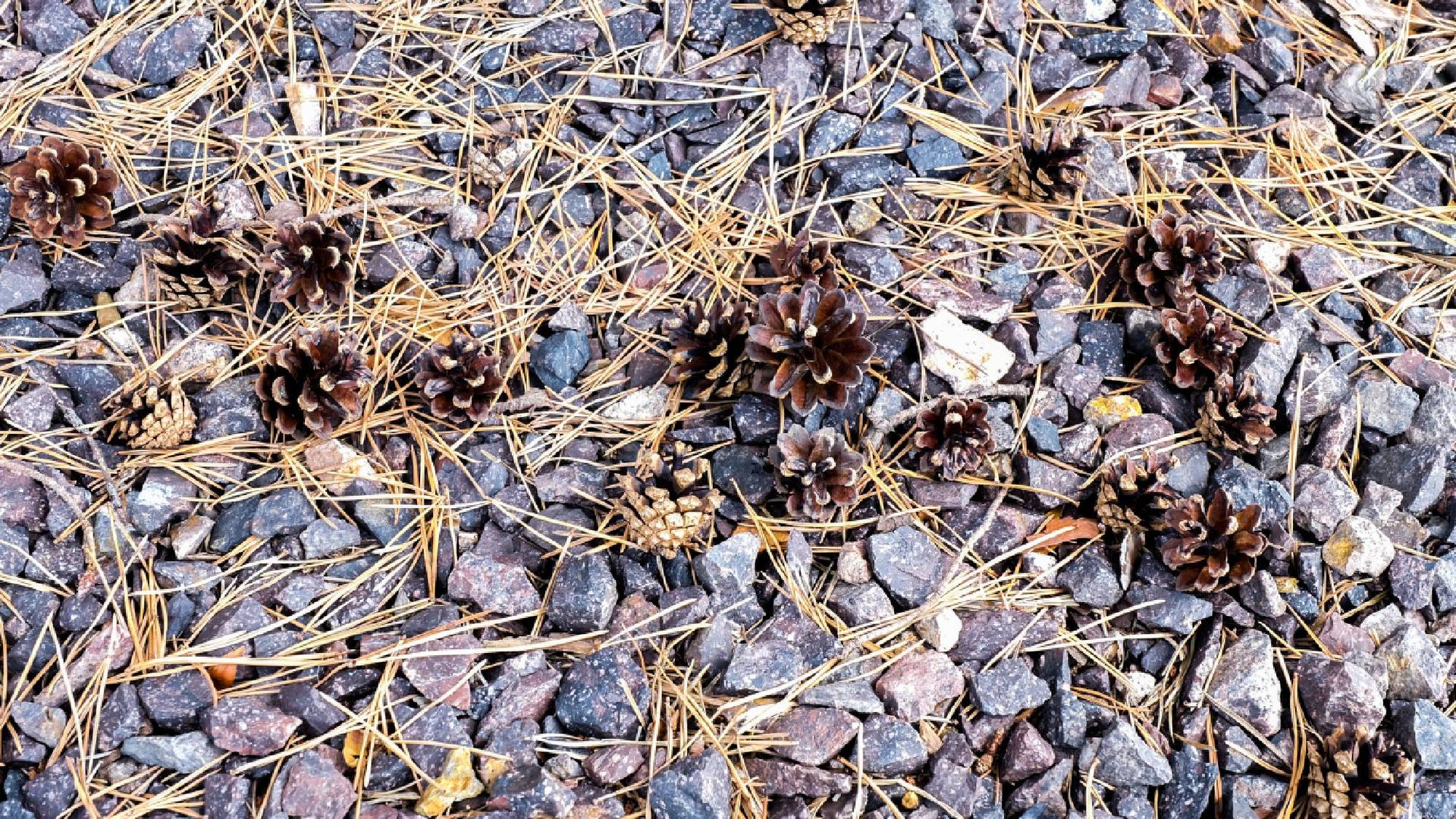
EXECUTIVE SUMMARY
Clear pine needles from gravel without blowing stones everywhere using these simple tool adjustments.
Key Takeaways
- How to clean pine needles out of gravel paths — without raking up rocks.
- Clear pine needles from gravel without blowing stones everywhere using these simple tool adjustments.
- Few garden tasks feel more frustrating than trying to clear fallen pine needles from a gravel path or driveway.
Read Complete Original Article
Published originally on Tom's Guide