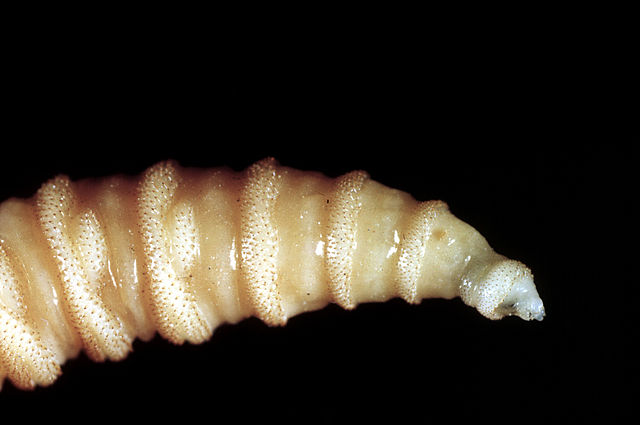
For a genuine fright this Halloween, you can turn your gaze to the southern border, where ravenous, flesh-eating maggots are festering and have taken to eating people's pets. This week, the country's New World Screwworm (NWS) infestation spread to a third state, Arizona, which joins New Mexico and Texas in being plagued by the horrifying parasites. To date, 74 animal cases have been identified in the US since the flies re-invaded the country in June. The flies lay hundreds of eggs in wounds and moist orifices of animals, and the resulting voracious maggots feast on their victims. The maggots resemble screws and tortuously bore and twist into living flesh, causing severe, sometimes fatal wounds, before dropping to the ground to develop into adults.Read full article Comments
Flesh-eating screwworms are feasting on pets; 4 dogs and cat attacked this week
AR
Ars TechnicaBy
Beth Mole
EXECUTIVE SUMMARY
USDA has identified 74 animal cases in US since parasitic flies invaded in June.
Key Takeaways
- Flesh-eating screwworms are feasting on pets; 4 dogs and cat attacked this week.
- USDA has identified 74 animal cases in US since parasitic flies invaded in June.
- For a genuine fright this Halloween, you can turn your gaze to the southern border, where ravenous, flesh-eating maggots are festering and have taken to eating people's pets.
Read Complete Original Article
Published originally on Ars Technica