About 10,000 years ago, a Neolithic culture in the southern Levant known as the Natufians became some of the first nomadic hunter-gatherers to transition towards agriculture. But even before this monumental lifestyle shift, members of the prehistoric community were already crafting symbolic figures from clay. What’s more, archaeologists say more than 150 recently discovered artifacts dating back 11,500 to 15,000 years ago are likely the earliest examples of their kind ever found in the Middle East. Their findings, published today in the journal PLOS One, suggest that even children sometimes had a role in creating these miniatures. The Natufians lived in what is now known as the Fertile Crescent between 9,500 and 13,000 BCE. Pre-agrarian and semi-sedentary, the culture likely preceded the region’s first permanent Neolithic settlements. Although archaeologists previously located small figurines linked to the Natufians made from rocks and bones, these clay artifacts have larger implications. Crafting items from preexisting hard materials typically relies on intentionally shaping through processes like breaking, sanding, or whittling. The existence of clay items suggests that the Natufians didn’t just express themselves artistically and symbolically. They did so through materials that required additional steps like baking and hardening. “This shift required diverse tools, skills, and knowledge, different from those needed for the manipulation of stone and bone,” the study’s authors wrote. Fragment of a Natufian figurine depicting a gazelle head with horns made of perishable materials (e.g., twigs) modelled in clay 12,000 years ago, discovered at the site of Eynan-Mallaha (Upper Jordan Valley). The head was painted red with engobe (a mixture of liquid clay and ochre) to depict the gazelle’s eyes and fur pattern. Credit: Laurent Davin The figurines found at sites across present-day Israel include depictions of animals like birds and hooved mammals like deer, as well as both male and female individuals. Some of the pieces exhibit traces of pigment and other dyes, while others still feature ancient fingerprints of the artists themselves. Further examinations of these indentations shows that clay sculpting was an intergenerational craft, with both children and adults taking part in the activity. “Thousands of years before agriculture and pottery emerged, people were already using clay to create figures, as part of their beliefs and knowledge of the natural world,” Laurent Davin, a study co-author and archaeologist at The Hebrew University of Jerusalem, said in a statement. “What is particularly fascinating is the evidence that children were involved in making these objects, suggesting that creativity and cultural knowledge were shared across generations.” The post Children made some of the Middle East’s oldest known clay figures appeared first on Popular Science.
Children made some of the Middle East’s oldest known clay figures
PO
Popular ScienceBy Andrew Paul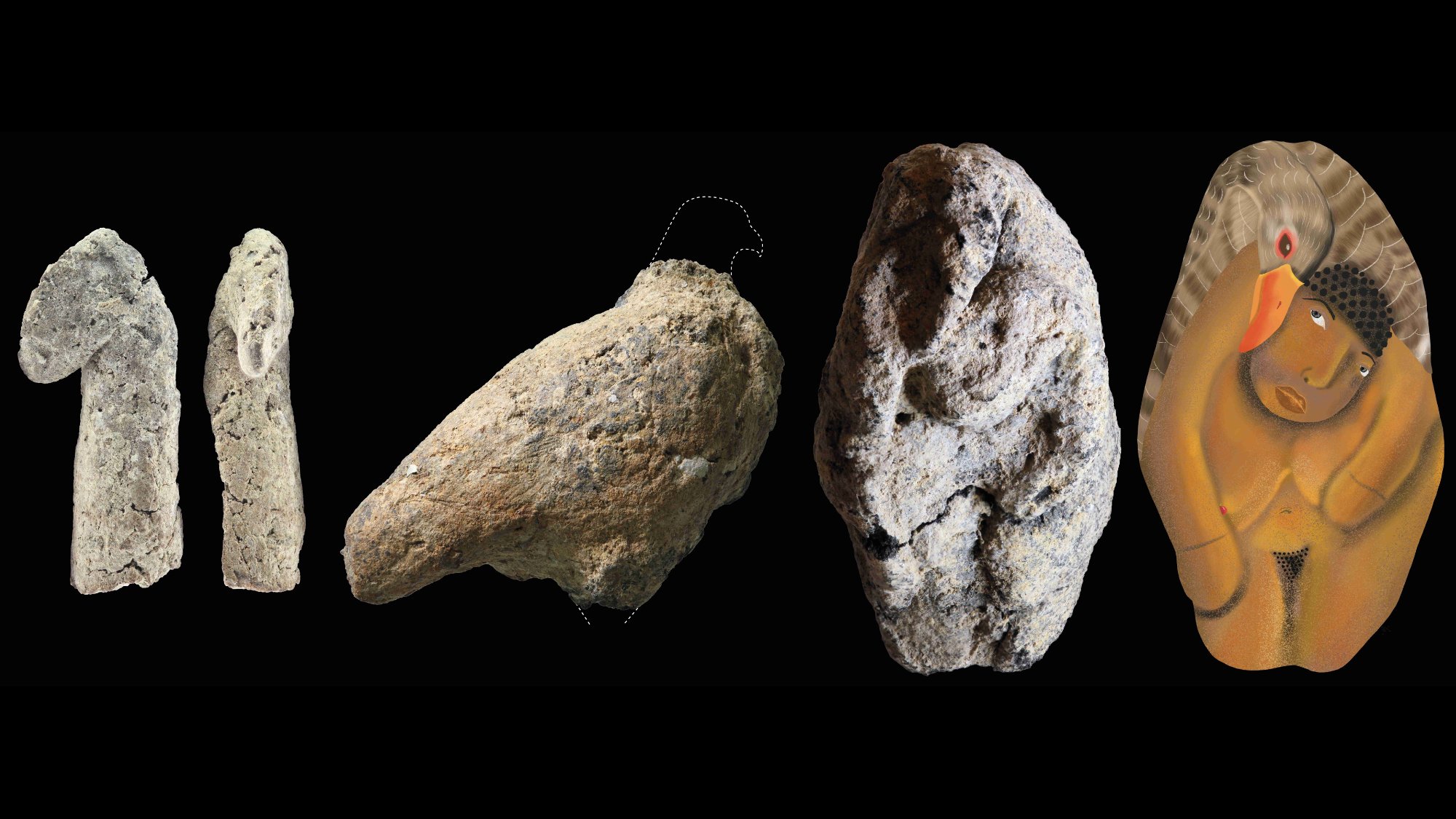
EXECUTIVE SUMMARY
11,000 years ago, the Natufians sculpted before they began farming. The post Children made some of the Middle East’s oldest known clay figures appeared first on Popular Science.
Key Takeaways
- Children made some of the Middle East’s oldest known clay figures.
- 11,000 years ago, the Natufians sculpted before they began farming.
- The post Children made some of the Middle East’s oldest known clay figures appeared first on Popular Science.
Read Complete Original Article
Published originally on Popular Science