As the IUCN global conservation body prepares to update its red list of endangered species, scientists explain why calculating the true toll of a pandemic is so hardIt began with the brown skuas. The migratory seabirds had arrived on the sub-Antarctic island of South Georgia in 2023, harbouring a deadly passenger. Within months, the southern elephant seals that had come ashore to breed became sick. Mothers and newborn pups were weak and trembling, with many struggling to breathe. What followed was a horrific mass casualty event, caused by the highly infectious avian influenza (H5N1).By 2025, more than 53,000 female elephant seals had died on South Georgia. That is especially alarming, scientists say, because the island is home to more than half of the global breeding population. Continue reading...
Bird flu has caused catastrophic die-offs – could a wave of extinctions follow?
TH
The Guardian - Australia NewsBy Gloria Dickie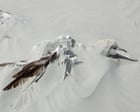
EXECUTIVE SUMMARY
As the IUCN global conservation body prepares to update its red list of endangered species, scientists explain why calculating the true toll of a pandemic is so hard It began with the brown skuas. The migratory seabirds had arrived on the sub-Antarctic island of South Georgia in 2023, harbouring a deadly passenger. Within months, the southern elephant seals that had come ashore to breed became sick. Mothers and newborn pups were weak and trembling, with many struggling to breathe. What followed
Key Takeaways
- Bird flu has caused catastrophic die-offs – could a wave of extinctions follow?.
- As the IUCN global conservation body prepares to update its red list of endangered species, scientists explain why calculating the true toll of a pandemic is so hard It began with the brown skuas.
- The migratory seabirds had arrived on the sub-Antarctic island of South Georgia in 2023, harbouring a deadly passenger.
Read Complete Original Article
Published originally on The Guardian - Australia News