
United States regulators have closed United Fidelity Bank after determining that the lender was in an unsafe condition and could become unable to meet its obligations or depositors’ demands. The $5.9 billion collapse is the country’s largest bank failure since Republic First Bank in 2024 and will cost the FDIC’s insurance fund an estimated $1.83 billion. What Happened? The Office of the Comptroller of the Currency said United Fidelity was in an “unsafe or unsound condition to transact business” and was likely to become unable to pay its obligations or meet normal depositor demands. As of September 30, the entity held approximately $5.9 billion in assets and $5.4 billion in deposits. First Citizens won a competitive auction to acquire substantially all of the failed lender’s assets and deposits. Reuters reported that the transaction includes about $3.1 billion in loans and $4.5 billion in deposits, with First Citizens receiving an approximately $2.6 billion discount on the assets and paying no deposit premium. The FDIC expects the collapse to cost its Deposit Insurance Fund just over $1.8 billion, equivalent to nearly one-third of the failed bank’s assets. For customers, though, the transition should be relatively seamless. Depositors automatically become First Citizens customers, can continue using checks, ATMs, debit cards, and retain deposit-insurance coverage. United Fidelity’s 22 branches across Indiana, Illinois, Florida, Colorado, and the US Virgin Islands are reopening under First Citizens Three years ago, the OCC placed United Fidelity under a consent order after identifying unsafe or unsound practices involving corporate governance, capital planning, credit underwriting, liquidity management, concentration risk, and interest-rate risk. Comparison United Fidelity is reportedly the seventh US bank to fail in 2026, but the previous ones were considerably smaller. At $5.9 billion in assets, it is the largest collapse since Republic First Bank in April 2024, with roughly $6 billion. Fulton Bank took over substantially all of Republic’s deposits and assets after Pennsylvania regulators shut it down. Silicon Valley Bank failed with approximately $209 billion in assets, followed days later by Signature Bank, which had around $110 billion. There’s another interesting connection: First Citizens, which is taking over United Fidelity, also acquired SVB’s deposits and loans in 2023. Bank failures are not isolated cases in the United States. CryptoPotato recently reported on the banking crisis in Paraguay that left nearly half the country without a bank. The post Biggest US Bank Failure in Over Two Years: United Fidelity Shut Down With $5.9B in Assets appeared first on CryptoPotato.
Biggest US Bank Failure in Over Two Years: United Fidelity Shut Down With $5.9B in Assets
CR
CryptoPotatoBy Jordan Lyanchev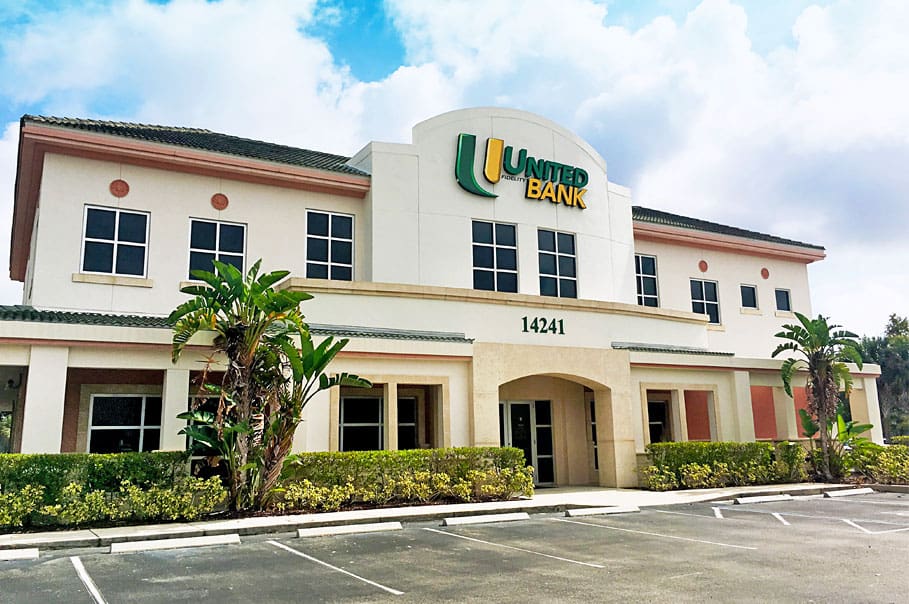
EXECUTIVE SUMMARY
The failure comes with an uncomfortable regulatory history stretching back several years.
Key Takeaways
- Biggest US Bank Failure in Over Two Years: United Fidelity Shut Down With $5.9B in Assets.
- The failure comes with an uncomfortable regulatory history stretching back several years.
- United States regulators have closed United Fidelity Bank after determining that the lender was in an unsafe condition and could become unable to meet its obligations or depositors’ demands.
Read Complete Original Article
Published originally on CryptoPotato